


Maia Surtees
Maia Surtees is a Bachelor of Science student in the Environmental Concentration at Capilano University. In addition to her studies, she has gained hands-on experience in the field working as a Student Research Assistant. This allowed her to strengthen her skills in local plant identification and ecological monitoring. Her volunteer work has allowed her to build strong ties within the community.
Having grown up on the North Shore, she appreciates both the mountains and the ocean. Her passion for hiking and outdoor exploration has led to a commitment towards environmental stewardship. Her interests are in conservation and restoration, and she seeks to use her knowledge to take on challenges such as biodiversity loss and climate change.
Introduction
Imagine waking up to the sound of the earth shifting around you. Rock and ice thundering down as the landscape collapses. For many communities living near glaciers, this is not a hypothetical scenario but a devastating reality. Glacier recession has intensified natural hazards such as landslides and glacial lake outburst floods (GLOFs), threatening lives, ecosystems, and infrastructure both locally and worldwide (The GlaMBIE Team, 2025).
In British Columbia (BC), approximately 150km northwest of Vancouver, during the Elliot Creek landslide on November 28, 2020, tens of millions of cubic metres of rock and sediment collapsed into a proglacial lake, causing a large tsunami and outburst flood, devastating downstream aquatic habitats and altering the landscape (Geertsema et al., 2022). Long-term ice loss and slope destabilization in the Mount Meager region has caused multiple landslides including the biggest landslide in Canadian history in 2010 (Roberti et al., 2018). These events prove the danger that glacier retreat can cause, and this is just the beginning. The Mount Meager area has other glaciers that have been destabilized and the region is therefore predicted to have more severe landslides in the future with greater consequences (Roberti et al., 2018).
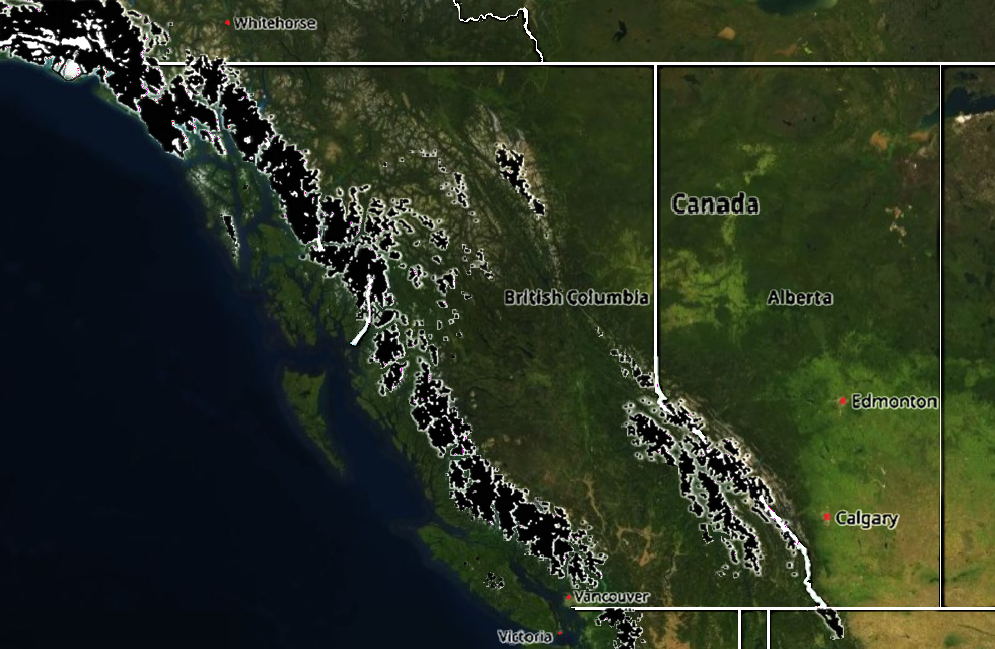
This map shows the glacier extent in BC. Base Map from OSM, RGI V7.0 data from GLIMS.
In Switzerland, in 2025, the Birch Glacier collapsed, destroying approximately 90% of Blatten, a village below. It took 40 seconds for the tumbling debris to reach and crush the village (Islam et al., 2025). The speed of the collapse means a disaster response would have been impossible at the time. Early warning signs from monitoring the glacier previously, including accumulating rock debris, meant that the village was evacuated ahead of the disaster, but this event highlights how catastrophic similar landslides may be in the future and the importance of research and monitoring. While many lives were saved, the town was mostly destroyed with economic consequences including costly rebuilding efforts and loss of tourism.
While people living near glaciers will feel the more immediate consequences, it will not stop there. Glaciers play a critical role in the global climate system, contributing to Earth’s albedo effect, by reflecting solar radiation which helps stabilize global temperatures. They influence freshwater availability and sea levels. The continually rising global temperatures have accelerated glacier loss and energy security and water availability may suffer (Milner et al., 2017). Glacier recession has therefore become a pressing issue for communities around the world.
Receding glaciers could impact human health. The melting ice from glacier recession can also release harmful pollutants that were previously trapped in glacier ice, reintroducing them into ecosystems and affecting food systems (Bogdal et al., 2009). It has also been shown that glaciers can contain unknown viruses (Varghese et al., 2023). While no evidence has proven that these viruses can affect humans, they could potentially affect ecosystem health.
International Collaboration
Scientists, industries, and local communities all have a role in ensuring that glacier research can be effective and communities can adapt. Not only will glaciers have a global impact, but many glaciers transcend borders. The Arctic for example is shared by several nations including Canada, Russia, and the United States, all of whom have their own interests and priorities. Canada is emphasizing sovereignty and environmental protection, Russia focusing on resource extraction, and the United States prioritizing national security (Ma et al., 2023). The Himalayas have a similar situation where many nations all have a share and can work collaboratively to advance research in the region. Antarctica is a unique case as international agreements govern the continent. This is due to its global importance and potential to intensify global warming through positive feedback loops if melting accelerates.
While it is important to collaborate on these large glaciers with global impacts, collaboration is needed for smaller scale glacier research as well. The many stakeholders include scientists, local communities, corporations, and governments. Glacier research impacts all of these stakeholders and they should therefore be engaged in the research process to achieve a desirable outcome for all parties. In the case of the Arctic, this would mean balancing out resource extraction with environmental protection, while alleviating the US’s nation security concerns.
Corporations
Corporations have an important role in both contributing to and mitigating glacier retreat. The hydropower industry depends heavily on glacier-fed water systems meaning that changes in glacier mass impact seasonal water availability which then changes the potential for hydropower production (Schaefli et al., 2019). This will have a large impact on BC as hydroelectricity is the main source of power making up nearly 90% of electricity generated in the province in 2023 and Site C, a major hydroelectric dam was just completed last year (BC Hydro, 2025; CER, 2023).
Dr. Adam Hawkins, a glacial geologist who has studied geochronology and geomorphology, spoke about a project funded by the Columbia Basin Trust, an organization in southeastern BC that manages funds to support the region, where they supported the research financially and were able to learn about how the local glaciers would be impacted by climate change. Madison Seely, a UNBC student currently completing a BSc Honours in Physical Geography mentioned another project funded by BC Hydro, a company that generates and supplies energy throughout the province, in which a researcher mapped snow-free dates in a watershed. This collaborative effort between industries and the scientific community allows researchers to access and gain data on smaller glaciers which may not otherwise be studied.
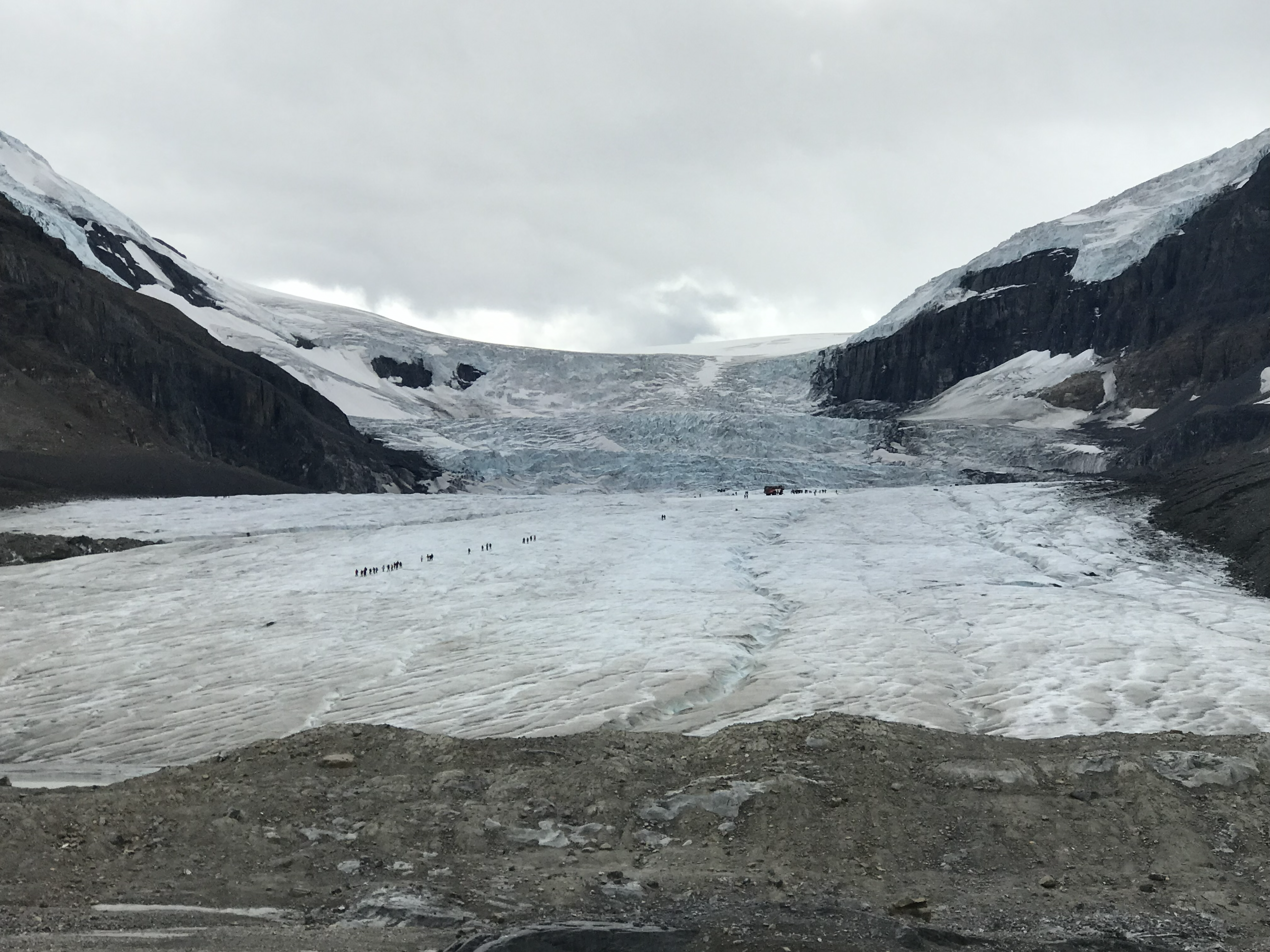
The Athabasca Glacier is part of the Columbia Icefield in Jasper. The glacier has lost over 20% of its total mass since 1985. This highly accessible glacier is a major tourist destination and allows groups to visit on bus or by foot. Photo Taken by Deanne Surtees.
The tourism industry also has a direct impact on glaciers. The compression of snow and ice can accelerate melting (Tin et al., 2009). Not only does the tourism sector impact glaciers, but the industry is also reliant on glaciers creating a feedback loop in which tourism contributes to glacier retreat which in turn reduces the capacity for glacier tourism Skiing and sightseeing which contribute to the local economy often use glaciers (Milner et al., 2017). Ski resorts often modify glacier surfaces and use artificial snow, both of which may have negative impacts on the glaciers (Steiger & Scott, 2020). The tourism sector is trying to adapt to the receding glaciers, some ski resorts are increasing the use of artificial snow, while others are introducing summer activities to bolster their revenue (Milner et al., 2017). By collaborating with members of the tourism industry, scientists may be able to help them adapt to the changing conditions through additional monitoring or increasing the efficiency of snowmaking to reduce the impact on glaciers.
Other industries such as mining also influence glaciers. For example, the Brucejack mine in Northwestern BC requires a road across the Knipple Glacier which requires constant maintenance. While this mining road has not been proven to negatively impact the glacier, there is the possibility for localized impacts such as reducing the albedo or compacting the ice (British Columbia Environmental Assessment Office, 2022; Tin et al., 2009). This shows how economic and environmental interests can conflict. Building a good relationship with industries can allow scientists to continually monitor the glaciers to ensure the safety of mine crews and minimize the impact on the glacier.
Glacier research should work with local communities
Local and Indigenous knowledge can aid glacier research through long-term observations and lived experience which can provide important insights into the area. The Intergovernmental Panel on Climate Change (IPCC) states that, “Indigenous knowledge and local knowledge are different and unique sources of knowledge that are increasingly recognised to contribute to observing, understanding, and responding to climate-induced changes” (2022). Madison Seely agrees, “There’s often so much knowledge that’s in these communities amongst the people who live in the area. That’s just sort of inherently there for them. They live there. They’re directly impacted by these things” (personal communication, February 27, 2026). The people of Blatten as well as other communities nearby are certainly impacted by the landslides which crush their homes. For these communities, receding glaciers can also affect agriculture potentially devastating the food supply (Milner et al., 2017).
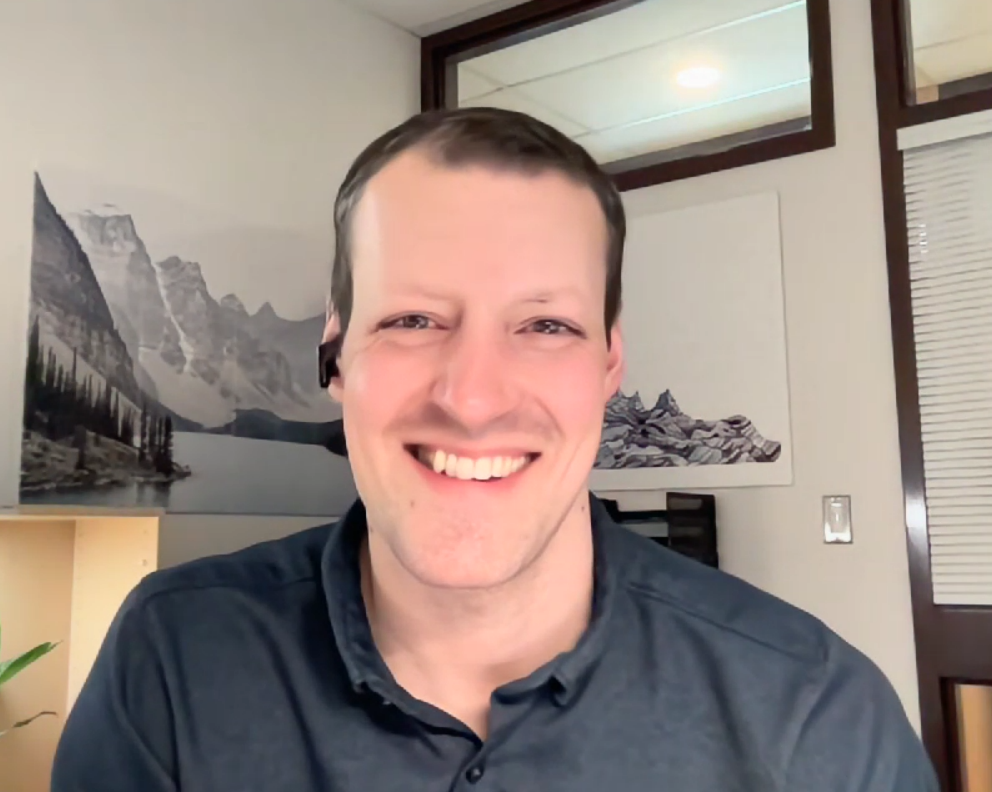
Dr. Adam Hawkins is a glacial geologist and an assistant professor in the Geography, Earth and Environmental Sciences programme at UNBC.
Glacial geologist Dr. Adam Hawkins noted that for many researchers, building a relationship with the local community may be considered a time-consuming step and dissuade them as traditionally the focus is on publishing the work (personal communication, March 26, 2026). While building a relationship with local communities may require additional effort, these communities can often further propel the research using their own knowledge base (Prno et al., 2021). Communities may also have important cultural sites which scientists should respect and can also advise scientists as to any hazards in the area due to their familiarity with the local terrain.
In the Arctic, collaborative efforts are already underway to monitor glaciers. There are programs which train local citizens to collect and analyze data. One such program is the Alaska Arctic Observatory & Knowledge Hub (AAOKH) which provides tools for community members to share their expertise and observations (Danielson et al., 2022). This program allows Western science and Indigenous knowledge to combine in a long-term monitoring project.
“… it’s not just citizen science, sort of like the old school just citizen science stuff, but it’s like you’re training these folks to be scientists and go and do that research and help with that data collection, but also just be collaborators.” —Adam Hawkins
ArcticNet, a non-profit organization largely funded by the Government of Canada, works to unite scientists, industry, and Indigenous groups in a shift towards a more collaborative research approach. The organization helps fund and train citizens in northern Canada to carry out research in that region and has funded over 200 projects since its creation in 2003 (ArcticNet, 2025). According to Dr. Hawkins, who recently attended an ArcticNet conference, “… those presentations were way more powerful than any traditional scientific conference I’ve gone to” (personal communication, March 26, 2026). The presentations in question were given by a combination of community members and traditional scientists talking about their project from different angles (Hawkins, Adam, personal communication, March 26, 2026).
Dr. Hawkins described these efforts, “…it’s not just citizen science, sort of like the old school citizen science stuff … you’re training these folks to be scientists and go and do that research and help with that data collection, but also just be collaborators on that work” (personal communication, March 26, 2026). Giving the community a chance to actively engage with the work and contribute to the outcomes allows them to take some ownership while also fostering trust by demystifying the scientific process. This education can also lead to a greater desire to protect the local glaciers among community members. Resource-extraction communities such as mining communities can benefit from this (Prno et al., 2021).
These efforts provide many advantages to both the researchers and the communities. Remote areas are often difficult to access and getting help from locals can also reduce travel costs while allowing the community to have greater input. Additionally, this collaboration allows longer-term monitoring projects as the citizens are located in the area for a longer period and do not have to travel back and forth. Another advantage of training local citizens is that they may have access to other areas or may propose additional studies that reflect community interests or priorities within the area which can further boost the knowledge of the region.
The ArcticNet approach could have allowed Blatten residents to restrict new buildings to areas outside the debris path, which would have reduced costs to rebuild. Additionally, this closer monitoring by residents can allow for early warning systems such as the one used in Blatten to save countless lives.
Collaboration with other stakeholders is equally important. Governments often provide essential funding for research, and can create policies to better protect the glaciers using a scientific basis. The media has the ability to inform the general population about research in a more comprehensible way, such as documentaries, and can provide transparency to increase trust in the scientific community (Chan, 2025). Chasing Ice, a documentary which uses time-lapse photography to showcase glacier retreat is a good example(Orlowski, 2012). Scientists from around the world may be experts in different areas of glaciology and can provide different perspectives especially for larger scale projects.
A lot of glacier research has been done in the past few decades, the World Glacier Monitoring Service (WGMS) has compiled data for over 130,000 glaciers worldwide, most of it has been focussed on the larger glaciers and ice sheets, including those in Antarctica and Greenland (Liang et al., 2018; National Snow and Ice Data Center, 2026). Those regions are extremely important due to their large volume and their potential to cause significant sea level rise. While continued research in these regions is essential, glacier conservation at smaller, more local scales has often been overlooked (Wang et al., 2026). Smaller glaciers may not have as large of a global impact, but they may respond faster to environmental change and impact local communities. These local glaciers can be essential for regional water availability and can still cause geohazards such as landslides on a smaller scale.
Much of the glacial research that exists currently is more general and focuses on understanding trends and patterns. This is useful, but a smaller, more targeted approach can give communities and industries with actionable information to create change faster. Dr. Hawkins believes that, “… it just helps to maybe focus our energies and make sure that we’re doing research that has like a tangible outcome and has a clear need, like people need an answer to that and we’re working towards it” (personal communication, March 26, 2026). Rather than just researching for a general understanding, more specific research, such as research to predict water availability changes in a region, can be used to help both communities and industries. One such study modelled glacier contributions to summer streamflow in the Columbia River Basin, finding that water availability may temporarily increase as glaciers melt but will eventually decline, leading to long-term water availability risks in the region (Chai, 2023). Another undertaking with limited scope is the monitoring of Mount Meager, which is less stable due to glacier retreat and may become a hazard to communities such as Pemberton (Roberti et al. 2018).
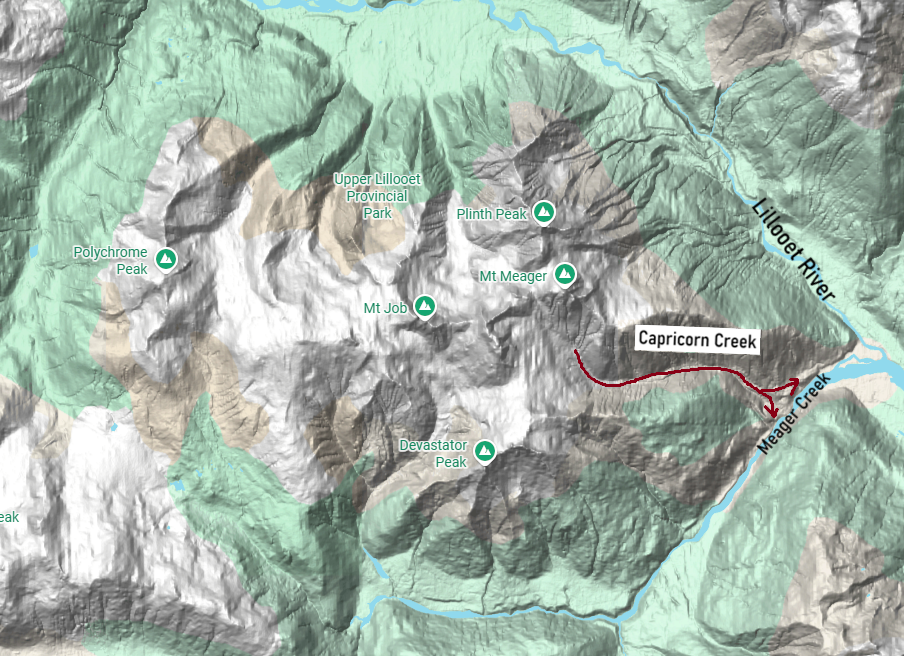
This shows the path of the 2010 Mount Meager landslide, the largest landslide in Canadian history.
It is important to acknowledge that change in glacier mass occurs naturally with climate cycles. Throughout Earth’s history, glaciers have advanced and receded many times, changing the landscape. However, anthropogenic activities, especially the continual emission of greenhouse gases, have exacerbated climate change which in turn has accelerated the rate of glacier loss. The rate at which glaciers are receding has become an urgent environmental and social issue.
While glacier loss cannot be entirely stopped, efforts to slow the rate of melting are vital to give communities and industries time to adapt. For example, changing water storage strategies can help communities who may face water shortages and shifting energy sources for area reliant on hydropower (Milner et al., 2017). For many communities, disaster preparedness and evacuation strategies can be developed, which may save lives as it did in Blatten, Switzerland during last year’s landslide. Additionally, more resilient infrastructure may be developed or used in these communities to allow them to withstand some of the impending impacts of climate change.
The long-term solutions must focus on reducing greenhouse gas emissions to reduce climate change. While many solutions have been proposed including geoengineering efforts, such as underwater dams to prevent warm water from reaching glaciers in Antarctica, they only provide a temporary fix to push the problem to a later date (Wolovick & Moore, 2018). If emissions are not reduced, glacier melt will continue to accelerate regardless of any research, mitigation, or geoengineering projects. This emphasizes the importance of government action through policy and the need to collaborate with governments to create policies that target emissions while maintaining economic and social values.
Dr. Hawkins commented that, “Glacier research really isn’t a solution to climate change, but it helps us to be eyes wide open about what are the impacts from climate change” (personal communication, March 26, 2026). By understanding the impacts of climate change, communities and industries can better prepare and mitigate the risks associated with loss of glacier mass.
Conclusion
Communities, scientists, and industry all need to play a part in regulating the melting of glaciers. Communities have local knowledge, scientists have research expertise, and industries and governments provide funding. By combining efforts and knowledge, a faster, more effective response can be achieved which will allow us to focus on longer term solutions such as reducing emissions. Cooperative research can also help humanize science and rebuild trust in the scientific community. However, more importantly, these inclusive research efforts may help save lives by slowing down glacier recession to allow communities to prepare for any hazards that may occur in the near future.
Works Cited
ArcticNet. (2025). ArcticNet Annual Report 2024–2025. https://arcticnet.ca/wp-content/uploads/2025/09/ArcticNet_Annual-report-2024-2025_FINAL_EN.pdf
BC Hydro. (2025, August 9). Site C project comes into full operation. https://www.bchydro.com/news/press_centre/news_releases/2025/site-c-full-operation.html
Bogdal, C., et al. (2009). Blast from the past: melting glaciers as a relevant source for persistent organic pollutants. Environmental science & technology, 43(21), 8173–8177. https://doi.org/10.1021/es901628x
British Columbia Environmental Assessment Office. (2022). Brucejack Mine certificate amendment and assessment documents. Government of British Columbia. https://projects.eao.gov.bc.ca/p/588511caaaecd9001b825bcb
Canada Energy Regulator. (2023). Renewable power in Canada: British Columbia. https://www.cer-rec.gc.ca/en/data-analysis/energy-markets/renewable-energy-canada/provinces/renewable-power-canada-british-columbia.html
Chai, Z. (2023). Diagnosing the relative contributions of glacier retreat and climatic variability to streamflow trends in Illecillewaet catchment. University of British Columbia. https://doi.org/10.14288/1.0435724
Chan, M. P. S. (2025). Enhancing Trust in Science: Current Challenges and Recommendations for Policymakers, the Scientific Community, Media, and Public. Social and Personality Psychology Compass, 19(11), e70104. https://doi.org/10.1111/spc3.70104
Danielson, S. L., Grebmeier, J. M., Iken, K., Berchok, C., Britt, L., Dunton, K. H., … & Woodgate, R. (2022). Monitoring Alaskan Arctic shelf ecosystems through collaborative observation networks. Oceanography, 35(3/4), 198-209. https://doi.org/10.5670/oceanog.2022.119.
Geertsema, M., Menounos, B., Bullard, G., Carrivick, J. L., Clague, J. J., Dai, C., … & Sharp, M. A. (2022). The 28 November 2020 landslide, tsunami, and outburst flood–A hazard cascade associated with rapid deglaciation at Elliot Creek, British Columbia, Canada. Geophysical research letters, 49(6), e2021GL096716. https://doi.org/10.1029/2021GL096716
Intergovernmental Panel on Climate Change (IPCC). (2022). Polar Regions. In The Ocean and Cryosphere in a Changing Climate: Special Report of the Intergovernmental Panel on Climate Change (pp. 203–320). Cambridge University Press.
Islam, N., Carrivick, J. L., Coulthard, T., Westoby, M., Dunning, S., & Gindraux, S. (2025). A growing threat of multi‐hazard cascades highlighted by the Birch Glacier collapse and Blatten landslide in the Swiss Alps. Geology Today, 41(5), 200-205.
Liang, Q., Peng, S., Niu, B., Zhou, C., & Wang, Z. (2018). Mapping glacier-related research in polar regions: a bibliometric analysis of research output from 1987 to 2016. Polar Research, 37(1), 1468196. https://doi.org/10.1080/17518369.2018.1468196
Ma, X., Chen, L., Wu, W., Liu, Y., Qiao, W., & Ma, L. (2023). Comparative analysis of Arctic-related strategies at the national level: Competition and collaboration. Systems, 11(8), 413. https://doi.org/10.3390/systems11080413
Milner, A. M., Khamis, K., Battin, T. J., Brittain, J. E., Barrand, N. E., Füreder, L., … & Brown, L. E. (2017). Glacier shrinkage driving global changes in downstream systems. Proceedings of the National Academy of Sciences, 114(37), 9770-9778. https://doi.org/10.1073/pnas.1619807114
National Snow and Ice Data Center. (2026). World Glacier Inventory (WGI), Version 1 [Data set]. https://doi.org/10.7265/N5/NSIDC-WGI-2012-02
Orlowski, J. (Director). (2012). Chasing Ice [Film]. Exposure; Diamond Docs; Participant Media.
Prno, J., Pickard, M., & Kaiyogana, J. (2021). Effective community engagement during the environmental assessment of a mining project in the Canadian Arctic. Environmental management, 67(5), 1000-1015. https://doi.org/10.1007/s00267-021-01426-5
RGI 7.0 Consortium, 2023. Randolph Glacier Inventory – A Dataset of Global Glacier Outlines, Version 7.0. Boulder, Colorado USA. NSIDC: National Snow and Ice Data Center. https://doi.org/10.5067/f6jmovy5navz
Roberti, G., Ward, B., van Wyk de Vries, B., Friele, P., Perotti, L., Clague, J. J., & Giardino, M. (2018). Precursory slope distress prior to the 2010 Mount Meager landslide, British Columbia. Landslides, 15(4), 637-647. https://doi.org/10.1007/s10346-017-0901-0
Steiger, R., & Scott, D. (2020). Ski tourism in a warmer world: Increased adaptation and regional economic impacts in Austria. Tourism Management, 77, 104032. https://doi.org/10.1016/j.tourman.2019.104032
The GlaMBIE Team. (2025). Community estimate of global glacier mass changes from 2000 to 2023. Nature, 639, 382–388. https://doi.org/10.1038/s41586-024-08545-z
Tin, T., Fleming, Z. L., Hughes, K. A., Ainley, D. G., Convey, P., Moreno, C. A., … & Snape, I. (2009). Impacts of local human activities on the Antarctic environment. Antarctic Science, 21(1), 3-33.
Varghese, R., Patel, P., Kumar, D., & Sharma, R. (2023). Climate change and glacier melting: risks for unusual outbreaks?. Journal of Travel Medicine, 30(4), taad015. https://doi.org/10.1093/jtm/taad015
Wang, F., Liu, S., Wang, L., Xu, C., & Meng, H. (2026). Mountain glacier preservation with artificial interventions: A review. iScience. https://doi.org/10.1016/j.isci.2026.114744
Wolovick, M. J., & Moore, J. C. (2018). Stopping the flood: could we use targeted geoengineering to mitigate sea level rise?. The Cryosphere, 12(9), 2955-2967. https://doi.org/10.5194/tc-12-2955-2018