


Amelia Rovner
Amelia Rovner (she/her) is completing her Bachelor of Arts at Capilano University, majoring in psychology. Graduating in June 2026, she has earned a spot on the Dean’s list every semester throughout her undergraduate degree. Alongside her studies, she has worked in the service industry where her passion for food and interpersonal relationships has continued to grow. In her free time, she enjoys painting, cooking, and spending time outdoors. She is particularly interested in whole-person health and the role of relationships and development in shaping how individuals understand and navigate their experiences. After graduation, Amelia plans to travel before continuing her education, with the goal of a career that allows her to support others through meaningful relational work.
I remember working in a cafe, talking with my coworkers about some constant spotting that I was experiencing. It was 2019. They couldn’t believe me when I said that I had been spotting for almost a year. My family doctor brushed off the irregularity, suggesting it would likely resolve itself with age. I was 23. A few weeks later, a coworker suggested that I ask my doctor to be checked for polycystic ovary syndrome (PCOS). I had never heard of it, what was it anyway? I wasn’t very comfortable approaching my doctor with a premeditated diagnosis, but it seemed like my only hope. After nearly two years of appointments and referrals, delayed in part by the COVID-19 pandemic, I finally received my diagnosis: PCOS. Throughout this entire process, however, my question was never really answered—what exactly is PCOS, and how is it that the most common endocrine disorder among reproductive-age women is so poorly understood by those diagnosed?
The estimated prevalence of PCOS is between 10% and 13% of reproductive-aged women (Teede et al., 2023). It’s clinically diagnosed using the 2003 Rotterdam criteria, which require two of three features: hyperandrogenism, ovulatory dysfunction (oligo/amenorrhea), and polycystic ovarian morphology (PCOM), and can present as four possible phenotypes (A-D) based on different combinations of features (Azziz et al., 2016). PCOS is heterogeneous and multisystemic, with substantial variation in both presentation and underlying biology (Azziz et al., 2016). It’s associated with reduced health-related quality of life (Douglas et al., 2026; Hoeger et al., 2021) and increased risk of reproductive, metabolic, cardiovascular, psychological, and neoplastic complications (Dason et al., 2024, Douglas et al., 2026; Hoeger et al., 2021).
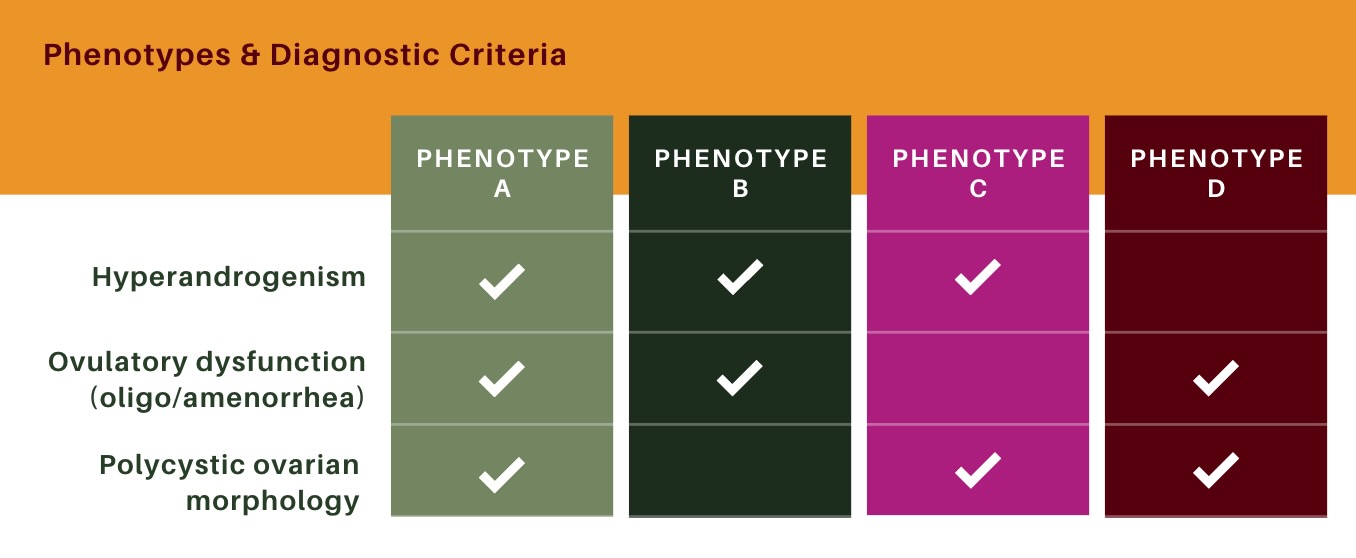
Phenotypic classification of PCOS based on the 2003 Rotterdam criteria. Four distinct phenotypes are defined by different combinations of hyperandrogenism, ovulatory dysfunction, and polycystic ovarian morphology. This classification highlights the heterogeneity of PCOS, where individuals with the same diagnosis may present with markedly different symptom profiles and clinical concerns.
Gaps in patient education are rooted in epistemic uncertainty, diagnostic ambiguity, and treatment variability — all of which combine to shape how the condition is communicated and managed. In response to longstanding diagnostic and treatment challenges (i.e. limited integration of emerging research into care, inconsistent care, gaps in patient and clinician understanding), the 2023 International Evidence-Based Guidelines for the Assessment and Management of Polycystic Ovary Syndrome was created (Teede et al., 2023). These guidelines emphasize patient-centred care, shared decision-making, and, most importantly, improvements in education, but its recommendations are inconsistently reflected in patients’ experiences. Patients still frequently leave diagnosis with a limited understanding of their condition, and although education alone cannot resolve the underlying etiological uncertainty of PCOS, improving access to clear, evidence-based information may play a critical role in supporting more informed and empowered patient experiences — an outcome that has been emphasized within the 2023 International Guidelines (Teede et al., 2023).
Despite decades of research, there is still no clear consensus on the underlying pathophysiology of PCOS, in part because “the most challenging aspects of this syndrome are the imprecise diagnostic criteria and the enormous complexity of its characteristics” (Singh et al., 2023, p. 17). Current models emphasize the roles hyperandrogenism and hyperinsulinemia, hypothalamic-pituitary-ovarian dysfunction and abnormal neuroendocrine signalling, but the directionality and interactions of these mechanisms remain unclear (Dason et al., 2024; Briden et al., 2020; Azziz et al., 2016). Altered GnRH pulsatility, insulin resistance, and genetic susceptibility (Dong & Rees, 2023), as well as chronic low-grade inflammation, gut microbiome dysbiosis, environmental pollutants, and diet and lifestyle factors (Signh et al., 2023) have all been identified as contributing factors to the development of PCOS, but none of these factors alone explain PCOS. Different definitions, diagnostic criteria, and biological models have contributed to both underdiagnosis and overdiagnosis, as well as patient confusion in management (Johnson et al., 2025). This uncertainty, along with the complexity and nuance of the diagnosis itself, has consequences for how patients understand their diagnosis and their bodies.
The 2003 Rotterdam criteria have been refined and clarified in the 2018 and the 2023 International Guidelines, which still rely on the patient presenting with at least two of the three features (Teede et al., 2023). These changes are designed to improve diagnostic accuracy and minimize overdiagnosis, especially in adolescence, and allow for anti-Mullerian hormone (AMH) to identify PCOM in adults instead of ultrasound (Teede, 2023). AMH levels, identified via blood-testing, as a less invasive and more accessible diagnostic option in some contexts (Yu et al., 2025; Teede et al., 2023). Since the development of the 2023 International Guidelines, the definitions for what counts as hyperandrogenism and the ultrasound threshold for follicle count (PCOM) have both been specified in more detail (Teede et al., 2023). Variability of testing, diagnosis, and life-stage differences, as well as heterogeneity and individual symptom variation across the lifespan all remain major challenges to diagnosis (Teede et al., 2023).
Many patients experience delayed or dismissive diagnostic encounters internationally (Teede et al., 2023), a finding that has been replicated in Canada (Sydora et al., 2023; Ismayilova & Yaya, 2022a; Ismayilova & Yaya, 2022b). S, diagnosed in Vancouver in 2024, described how her doctor “denied [her] access” to a gynecologist in 2022 because she “[doesn’t] look like someone who has PCOS,” highlighting how phenotypic expectations may contribute to delayed diagnosis, particularly for lean-presenting patients (personal communication, March 5, 2026). She shared that she “probably wouldn’t have known” that she has PCOS if she “wouldn’t have fought for getting that gynaecologist appointment.” This two-year delay in diagnosis contributed to worsening symptoms and a sense of “playing catch up” with how to manage her health (personal communication, March 5, 2026). In contrast, J, diagnosed in Vancouver in 2022, was not denied care, but described her diagnostic experience as rushed and vague. She recalled that her gynaecologist “didn’t really explain much… [and] was like yeah, it sounds like you have PCOS” (personal communication, February 21, 2026). After declining the use of oral contraceptives to manage her symptoms, she felt the sentiment from her gynaecologist was “if you’re not willing to accept this, then I can’t really help you any further.” Her diagnostic experience lacked meaningful explanation, and she left the appointment upset and overwhelmed.
S’s delay in diagnosis is a common theme among Canadians diagnosed with PCOS. Although there is limited Canada-specific data, one Albertan study found that on average, patients wait approximately four years after initial symptom assessment to receive a PCOS diagnosis, partly associated with heterogeneity causing symptoms to be treated in isolation (i.e. cycles, weight, acne, fertility, diet) (Sydora et al., 2023). In a separate Canadian survey, 34% of participants reported waiting more than two years after initial help-seeking to obtain their diagnosis (Ismayilova & Yaya, 2022). Over-diagnosing adolescents is advised against (Teede et al., 2023), yet frequently, adolescents’ early symptoms like irregular menses, acne, and weight gain are commonly dismissed and attributed to normal puberty, leading to even further diagnostic delays (Ismayilova & Yaya, 2022a; Hoeger et al., 2021). PCOS features overlap with normal changes at menarche and in later reproductive life, making age-specific diagnosis particularly challenging (Hoeger et al., 2021). These are conflicting narratives that clinicians must navigate to ensure patient wellbeing — determining whether a patient’s symptoms warrant a diagnosis in adolescence or waiting to diagnose and delaying the process.
The issue of diagnosing PCOS becomes even more complicated when considering evidence that current diagnostic criteria may lead to misclassification of patients due to overlapping conditions with similar clinical presentations. Emerging research demonstrates that patients with PCOS phenotype D may instead present with functional hypothalamic amenorrhea (FHA) with PCOM, because both diagnoses rely on PCOM + oligo/amenorrhea, which together are highly nonspecific (Ott et al., 2025; Holzer et al., 2024). This diagnostic overlap is reflected in clinical perspectives; as Dr. Jerilynn Prior explains, “one of the big confusions in the PCOS world… is assuming that if you have cyst in the ovary, it means you have PCOS,” when PCOM can occur in other contexts, including recovery from FHA (personal communication, March 12, 2026).
This is a recognized diagnostic pitfall, and diagnostic reliance without hyperandrogenism can jeopardize diagnostic accuracy (Ott et al., 2025; Holzer et al., 2024). Misdiagnosis of FHA as PCOS is documented, with at least a small but clinically significant proportion of PCOS referrals actually having FHA, despite differing underlying mechanisms and long-term health risks (Holzer et al., 2024; Ott et al., 2025). Hormonal profiling, biochemical cut-offs, and composite models have been suggested as necessary to distinguish the two diagnoses, and better diagnostic tools are needed to differentiate the two (Ott et al., 2025; Holzer et al., 2024). More holistic clinical evaluations of symptoms, including psychological and physical activity assessments, may also improve diagnostic accuracy because psychological and physiological stress are biologically meaningful to PCOM + oligo/amenorrhea presentations, and can help to distinguish diagnoses that look clinically very similar (Rodrigues da Silva et al., 2025).
Lifestyle modification is widely recommended as the first-line treatment (Teede et al., 2023), but in Canada, it “is not consistently provided” or tailored to patients’ needs (Sydora et al., 2023, p. 2). S recalled receiving advice from her physician as well as her dietician to “just exercise and eat whole grains” without further explanation or guidance (personal communication, March 5, 2026), while J explained that she “[doesn’t] recall [being offered] any lifestyle advice at all” (personal communication, February 24, 2026). For overweight individuals, clinicians often recommend a 5-10% reduction in body weight (Teede et al., 2023), yet this may be more difficult to achieve in PCOS, leaving patients vulnerable to discouragement and shame, especially if they don’t have the context of why this weight loss may be more difficult for them. Although appropriate in theory, lifestyle modification recommendations often overlook unique biological and psychological barriers to weight loss and sustained efforts. Androgen excess, insulin resistance (IR), and altered energy regulation might make weight loss more difficult, while fatigue, sleep disturbances and depression may further interfere with sustained change (Ee et al., 2021). Furthermore, individuals with PCOS may already lead similar lifestyles to women without PCOS, yet experience different outcomes due to underlying biological differences (Teede et al., 2023). This disconnect between effort and observable results may further complicate patient experiences and contribute to frustration when lifestyle advice is presented without adequate context or support. As J explained, “it’s just so disheartening when you do feel like you’re trying so many of the right things and nothing’s working” (personal communication, February 24, 2026).
Although the 2023 International Guidelines state that there is no single diet or exercise regimen that has been found to be most effective at managing PCOS symptoms and that all healthy diets following national nutrition guidelines are sufficient to support a healthy lifestyle (Teede et al., 2023), emerging evidence suggest that certain diets, such as low-glycaemic index (GI) diets and the DASH diet, may improve IR and related symptoms (Johnson et al., 2025; Gautam et al., 2025). IR plays an important role in PCOS pathophysiology (Azziz et al., 2016). Compensatory hyperinsulinemia, or increased insulin levels in the bloodstream, is the product of insulin resistance (IR), or the inability for the body to properly respond to insulin; while metabolic tissues (fat and muscle) become less responsive to these elevated levels of insulin, ovarian theca cells, which produce androgens, become overstimulated by the elevated insulin, causing them to overproduce androgens (Azziz et al., 2016). At the same time, elevated insulin suppresses the liver from making a protein, sex hormone-binding globulin (SHBG), whose role is to bind to excess free testosterone in the body, causing even more active testosterone (Azziz et al., 2016). What happens is all this dysregulation of hormones causes the accumulation of follicles because they’re not maturing and releasing, which is where PCOM becomes observable (Azziz et al., 2016). Evidence suggests that 75% of lean and 95% of overweight/obese patients with PCOS have IR (Johnson et al., 2025). Understanding this relationship may help to contextualize lifestyle recommendations and support more meaningful engagement with treatment — as S reflected it, “how is [exercising and eating whole grains] going to help with my hormones?” (personal communication, March 5, 2026).
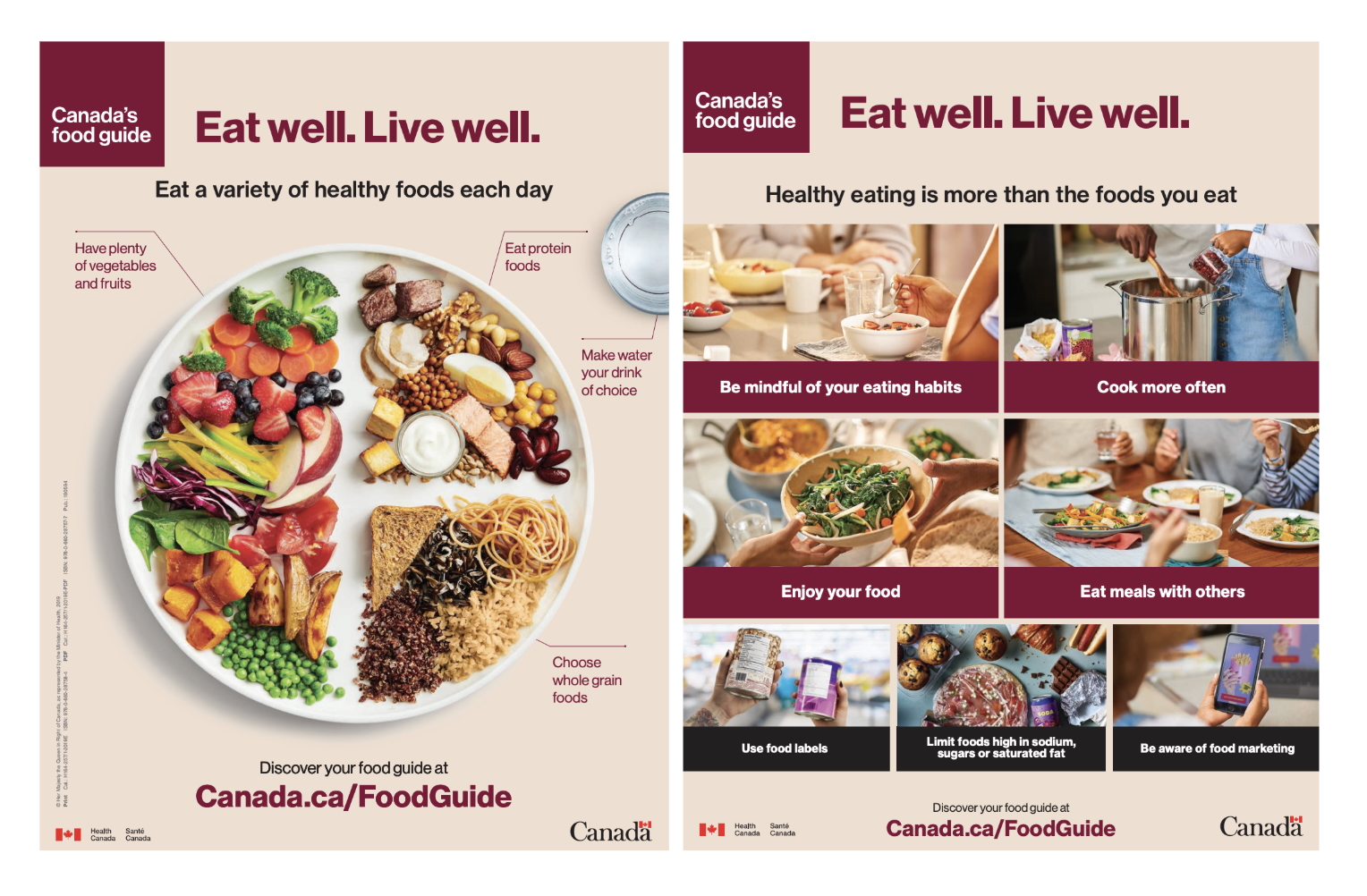
Canada’s Food Guide. Source: Health Canada, 2019. While general dietary patterns consistent with national guidelines are considered beneficial for individuals with PCOS (Teede et al., 2023), such recommendations can be presented without condition-specific context or education. As described by S, dietary guidance was vague; she reflected:
Basically, she just sent me the Canadian food guide in an email and a pamphlet of how to eat whole grains with PCOS, [and] an article about living with PCOS… that’s all she sent me, and she was like, make sure you’re drinking water, and I’m just like, this is not gonna help me at all (personal communication, March 5, 2026).
Despite the importance of metabolic factors, clinical assessment does not always reflect this emphasis. The 2023 International Guidelines recommend assessing glycaemic status upon diagnosis, and reassessing every one to three years, as well as prioritizing “preventative strategies to reduce type 2 diabetes risk” (Teede et al., 2023, p. 27). J reported not receiving any metabolic testing, whereas S shared that she was tested for type 2 diabetes, but neither of them have been tested since their diagnosis, underscoring the gap between guideline recommendations and patient experience (personal communication, 2026). Furthermore, glycaemic status testing has been criticized because it reflects downstream glucose regulation as opposed to underlying insulin function that contributes to PCOS pathophysiology (Parker et al., 2025). In turn, individuals may present with normal glycaemic markers despite significant IR — a limitation in current clinical assessment frameworks, highlighting a “disconnect between pathophysiological understanding and clinical assessment [reflecting] a broader translation gap” (Parker et al., 2025, p. 5). Because IR and hyperinsulinemia are central drivers of PCOS symptoms and long-term complications, insulin should be tested for early on in PCOS diagnosis because “IR frequently goes undetected during its early, silent phase, when intervention would be most effective” (Parker et al., 2025, p. 2). In this light, dynamic glucose-testing would allow for detection of abnormalities that “static tests [fasting blood plasma glucose, the oral glucose tolerance test (OGTT), and hemoglobin A1C (HbA1C)] might miss” (Parker et al., 2025, p. 15). Most clinically accessible markers (glucose) do not correspond to the earliest of most causally relevant processes (IR), leaving room for missed treatment opportunities and management strategies (Parker et al., 2025) if they’re even administered at all.
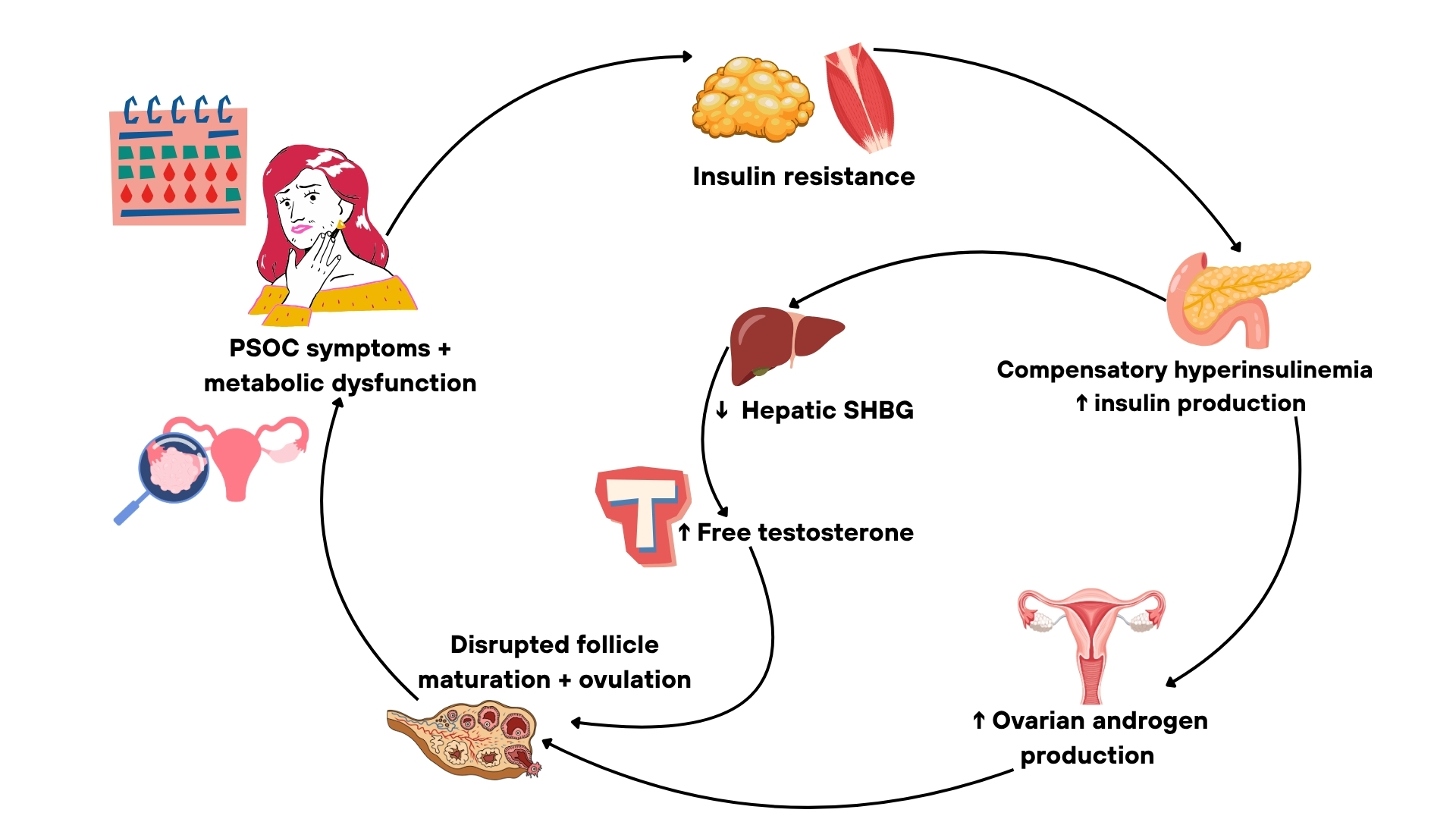
Negative feedback loop for how insulin resistance exacerbates/perpetuates PCOS symptoms.
The effectiveness of lifestyle interventions is further shaped by health literacy, which plays a critical role in chronic disease management, but when it comes to PCOS, it might be inadequately captured by current measures. While studies suggest that women with PCOS demonstrate lower health literacy, including difficulties understanding recommendations, engaging with healthcare providers, and making informed decisions about their care (Ee et al., 2021; Liu et al., 2023; Douglas et al., 2026), these findings might be more reflective of their experiences within the clinical setting, rather than individual ability. Lifestyle management in PCOS requires navigating a context that provides limited opportunities for support and education, creating a restriction in opportunities to apply health knowledge. At the same time, biological and psychological features of PCOS may further complicate the translation of knowledge into action. Symptoms including altered appetite regulation, IR, fatigue, sleep disturbances have all been identified as barriers to sustained lifestyle change (Ee et al., 2021). These factors may reduce an individual’s capacity to engage in recommended behaviours, regardless of an individual’s understanding of them. In this light, lower observed health literacy might not be reflective of a lack of motivation or capability, and might actually be reflective of intersecting barriers that complicate translating knowledge into behaviour. Additionally, the discrepancy between effort and outcome, where individuals actively engage in recommended behaviours without experiencing improvements, may further contribute to frustration, disengagement, and perceived difficulty in managing the condition. This gap in health literacy may also reflect a disconnect between biomedical models and lived experience, as Dr. Prior emphasizes, “health is a whole meal deal,” encompassing social, psychological, and behavioural practices. Integrating these dimensions into patient education and care is necessary for meaningful symptom management and treatment (personal communication, March 12, 2026). Health literacy in PCOS is shaped by the interaction between patient capacity, biological constraints, availability of education, and clarity of clinical guidance.
In addition to lifestyle interventions, combined oral contraceptive pills (COCPs) are commonly prescribed as a front-line treatment to regulate menstrual cycles and manage symptoms of PCOS (Teede et al., 2023). Women often feel like this treatment doesn’t fit their preferences or needs, as many patients express hesitation or reluctance towards this treatment option. As J described, her experience with treatment felt limited to a single option, recalling that her clinician suggested that if she was unwilling to take the pill, then there was little else that could be offered (personal communication, February 21, 2026). One machine-learning analysis of approximately 100,000 users on the r/PCOS subreddit found that COCPs were “strongly associated with adverse effects” and in general, users felt a generally strong negative sentiment towards taking COCPs, especially for worsening depression, anxiety, fatigue, and low libido (Emanuel et al., 2025, p. 732). Instead, lifestyle changes and supplements were viewed far more positively—a sentiment shared by J, S, and me (personal communication, 2026). Yet despite this preference, patients are not given adequate guidance and education regarding lifestyle interventions, oftentimes causing feelings of overwhelm. In this context, it may also be beneficial to provide better education on COCPs to reduce patient reluctance and ensure informed decision-making capacities.
Many patients receive most of their information about PCOS from online sources, in part from lack of explanation in a clinical setting (Sydora, 2023; Ismayilova & Yaya, 2022a; Ismayilova & Yaya, 2022b) As S explained, she “didn’t have the education or the words to describe [her symptoms]… [she] was being taught by social media” (personal communication, March 5, 2026), while J noted that her understanding of her diagnosis came “mostly [from] research done on [her] own,” from “Google and social media more so than [clinicians]” (personal communication, February 21, 2026). While these platforms provide education and support, they also expose patients to misinformation and “cure”-style advice, as well as commercialized health guidance from self-proclaimed “PCOS experts” (Gomula et al., 2024).
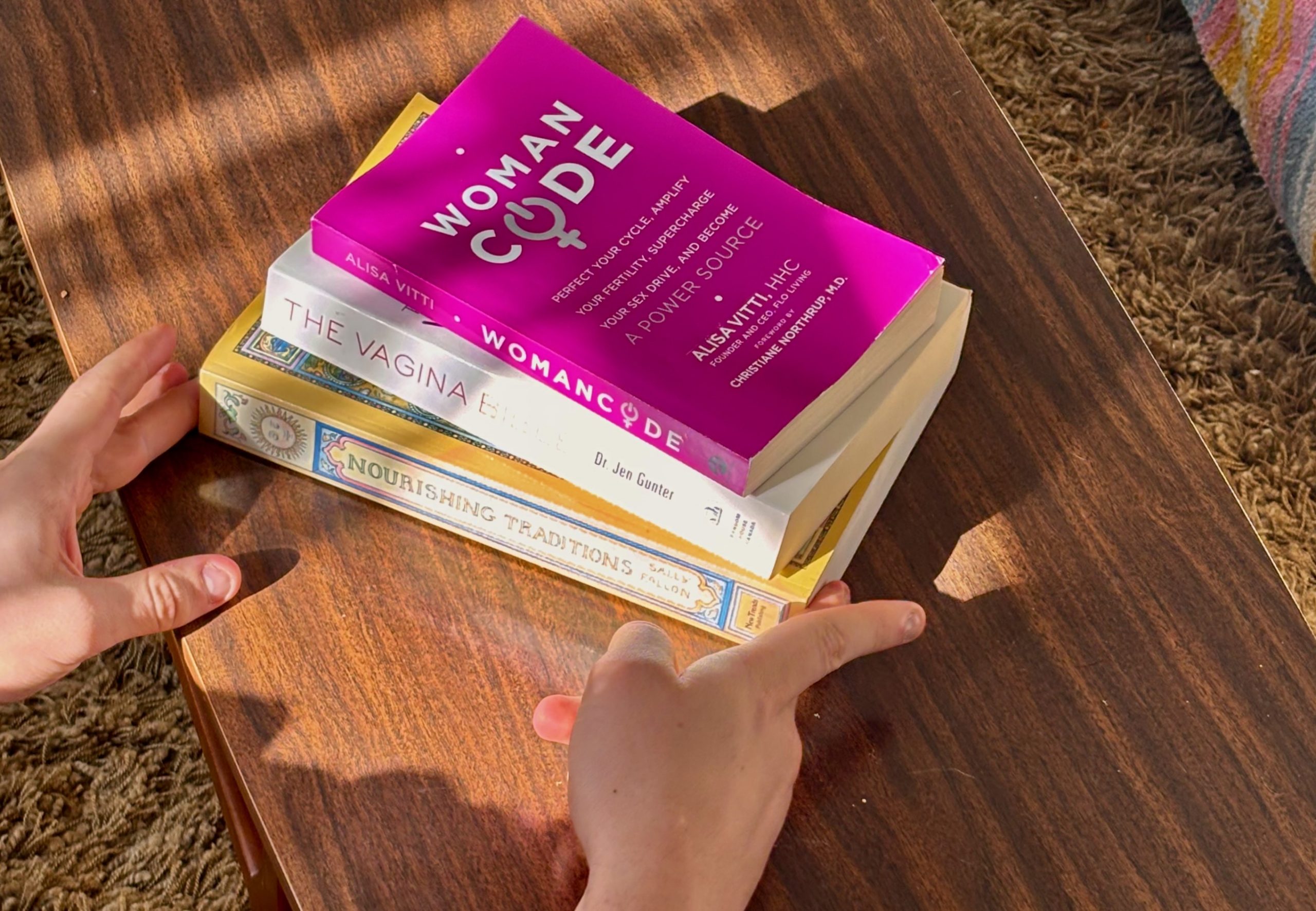
Self-education on PCOS happens in bookstores, libraries, on forums, social media platforms, and in conversations with peers/friends/family.
The rapid growth of the global PCOS treatment and supplement market, projected to increase substantially over the next decade (Shirsat, 2025; Yahoo Finance, 2025), suggest a high demand for solutions that align with patients’ needs, emphasizing the dissatisfaction with available treatment options in clinical settings that is frequently experienced by patients (Emanuel et al., 2025; Sydora et al., 2023). In the absence of adequate clinical guidance or referral to evidence-based resources like the AskPCOSapp, patients are often left to navigate complex, commercialized information environments, relying on algorithms to determine which information they encounter. Would education on PCOS within the health education curriculum help? There is no PCOS-specific school program evidence, but there is evidence that well-designed school health education can change risk behaviours and lower disease indicators (Pulimeno et al., 2020), providing a strong precedent to argue that integrating PCOS and menstrual/endocrine health education into school curricula could meaningfully improve recognition and long-term health outcomes for girls and women. Integrating PCOS education into broader adolescent health education may be a feasible and impactful way to empower those with PCOS and improve their health outcomes.
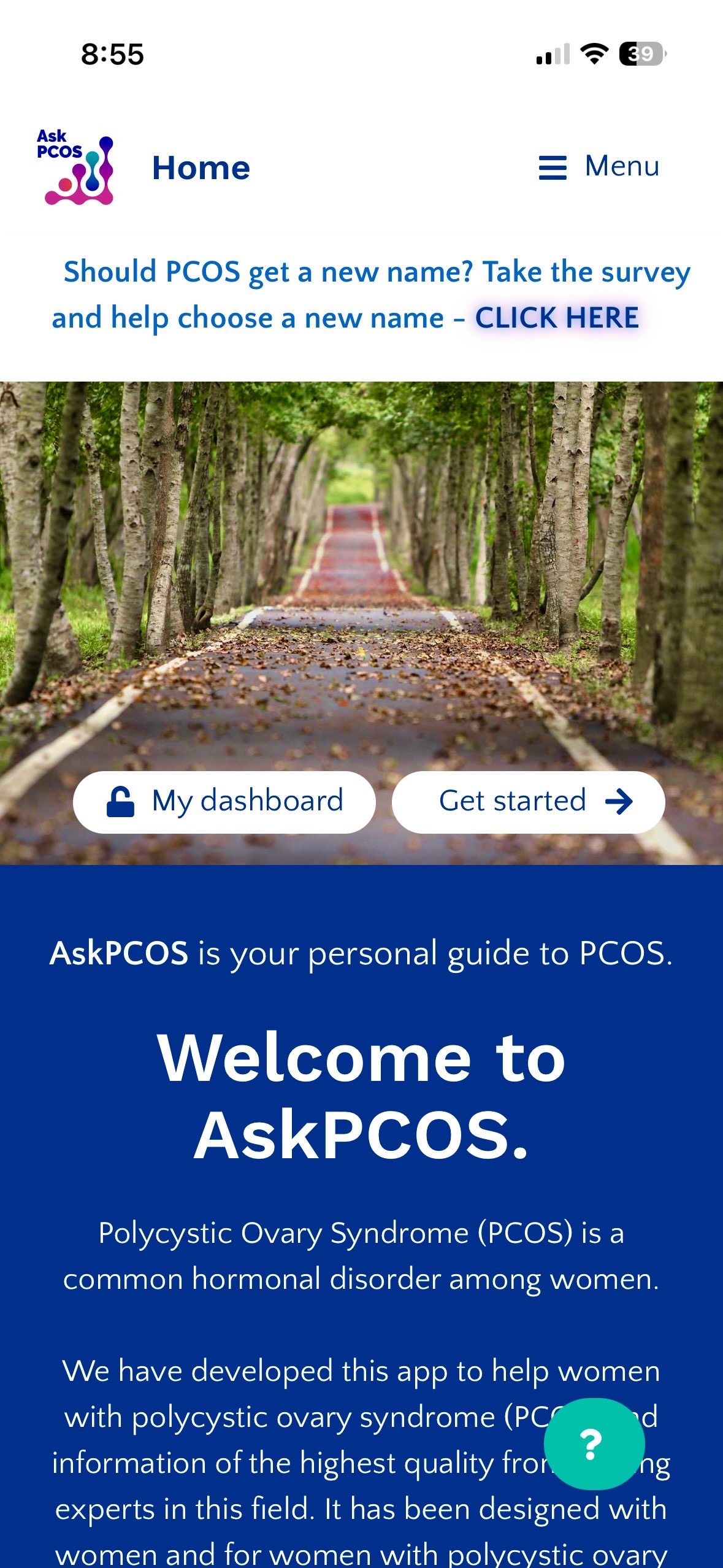
In response to gaps in evidence-based and accessible information, digital tools such as the AskPCOS app, developed by researchers at Monash University in Australia, have been created. Screenshot taken April 1, 2026.
Effective treatment of PCOS requires an individualized and holistic approach, and the 2023 International Guidelines emphasize the importance of patient-centered care, shared decision making, and tailoring interventions based on individual symptoms, goals, and circumstances (Teede et al., 2023). This level of personalization is often difficult to achieve in practice, particularly in systems where resources and provider education are limited. As S shared, she would like for her providers to “check in with [her] every couple months like hey, let’s check how you’re doing with handling your PCOS?” (personal communication, March 5, 2026). Treatment is often experienced as generalized and insufficiently responsive to individual needs, and improving patient outcomes is dependent on strengthening provider-patient communication and patient education as a whole.
Since my diagnosis, I’ve met numerous women experiencing PCOS-like symptoms, and sent them down similar self-education rabbit holes. If a disorder affecting millions of women continues to remain unfamiliar and confusing to those diagnosed with it, then the issue cannot simply be prevalence, but education and communication, and addressing that gap may be one of the most impactful and immediate interventions that we can offer. It has only been three years since the creation of the 2023 International Guidelines, and important conversations surrounding patient understanding and terminology are being held, and it will be interesting to see where the treatment of PCOS is headed over the coming years.
References
Azziz, R., Carmina, E., Chen, Z., Dunaif, A., Laven, J. S. E., Lergo, R. S., Lizneva, D., Natterson-Horowtiz, B., Teede, H., J., & Yildiz, B. O. (2016). Polycystic ovary syndrome. Nature Reviews Disease Primers, 2. http://dx.doi.org/10.1038/nrdp.2016.57
Briden, L., Shirin, S., & Prior, J. C. (2020). The central role of ovulatory disturbances in the etiology of androgenic polycystic ovary syndrome (PCOS)—Evidence for treatment with cyclic progesterone. Drug Discovery Today: Disease Models, 32, 71–82. https://doi.org/10.1016/j.ddmod.2020.11.008
Dason, E. S., Koshkina, O., CHan, C., & Sobel, M. (2024). Diagnosis and management of polycystic ovarian syndrome. Canadian Medical Association Journal, 196, 85-94. https://doi.org/10.1503/cmaj.231251
Dong, J., & Rees, D. A. (2023). Polycystic ovary syndrome: Pathophysiology and therapeutic opportunities. BMJ Medicine, 2(1). https://doi.org/10.1136/bmjmed-2023-000548
Douglas, C. C., Hashmi, A., Mclain, A., & Arentson-Lantz, E. J. (2026). A mixed-method analysis of health literacy and indicators of well-being in women with polycystic ovary syndrome across the lifespan. Therapeutic Advances in Reproductive Health, 20. https://doi.org/10.1177/26334941261426089
Ee, C., Pirotta, S., Mousa, A., Moran, L., & Lim, S. (2021). Providing lifestyle advice to women with PCOS: An overview of practical issues affecting success. BMC Endocrine Disorders, 21(1), 234. https://doi.org/10.1186/s12902-021-00890-8
Emanuel, R. H. K., Docherty, P. D., Lunt, H., & Campbell, R. E. (2025). What do users in a polycystic ovary syndrome (PCOS) forum think about the treatments they tried: Analysing treatment sentiment using machine learning. Physical and Engineering Sciences in Medicine, 48(2), 723–741. https://doi.org/10.1007/s13246-025-01539-9
Gomula, J., Warner, M., & Blandford, A. (2024). Women’s use of online health and social media resources to make sense of their polycystic ovary syndrome (PCOS) diagnosis: A qualitative study. BMC women’s health, 24(1), 157. https://doi.org/10.1186/s12905-024-02993-5
Health Canada (2019). Canada’s food guide. https://food-guide.canada.ca/en/
HealthLink BC (2022, August 2). Polycystic ovary syndrome (PCOS). https://www.healthlinkbc.ca/healthwise/polycystic-ovary-syndrome-pcos-0
Hoeger, K. M., Dokras, A., & Piltonen, T. (2021). Update on PCOS: Consequences, challenges, and guiding treatment. The Journal of Clinical Endocrinology & Metabolism, 106(3). https://doi.org/10.1210/clinem/dgaa839
Holzer, I., Marculescu, R., Begemann, V., Haaser, S., Dewailly, D., & Ott, J. (2024) Prevalence of functional hypothalamic amenorrhea in a cohort of women referred because of polycystic ovary syndrome. Reproductive Medicine and Biology, 23(1). https://doi.org/10.1002/rmb2.12591
Ismayilova, M., & Yaya, S. (2022a). What can be done to improve polycystic ovary syndrome (PCOS) in healthcare? Insights from semi-structured interviews with women in Canada. BMC Women’s Health, 22(157). https://doi.org/10.1186/s12905-022-01734-w
Ismayilova, M., & Yaya, S. (2022b). “I felt like she didn’t take me seriously”: a multi-methods study examining patient satisfaction and experiences with polycystic ovary syndrome (PCOS) in Canada. BMC women’s health, 22(1), 47. https://doi.org/10.1186/s12905-022-01630-3
Johnson, C., Garipoğlu, G., Jeanes, Y., Frontino, G., & Costabile, A. (2025). The role of diet, glycaemic index and glucose control in polycystic ovary syndrome (PCOS) management and mechanisms of progress. Current Nutrition Reports, 4(8). https://doi.org/10.1007/s13668-024-00601-4
Liu, Y., Guo, Y., Yan, X., Ding, R., Tan, H., Wang, Y., Wang, X., & Wang, L. (2023). Assessment of health literacy in patients with polycystic ovary syndrome and its relationship with health behaviours: A cross-sectional study. BMJ Open, 13(11), https://doi.org/10.1136/bmjopen-2022-071051
Ott, J., Robin, G., Hager, M., & Dewailly, D. (2025). Functional hypothalamic amenorrhoea and polycystic ovarian morphology: A narrative review about an intriguing association. Human Reproduction Update, 31(1), 64–79. https://doi.org/10.1093/humupd/dmae030
Panchuk, K., & Lynam, J. (2012). Polycystic ovary syndrome: Appreciating the complexities and implications of diagnosis. University of British Columbia Medical Journal, 4(1), 10-14. https://med-fom-ubcmj.sites.olt.ubc.ca/files/2015/11/ubcmj_4_1_2012.pdf
Parker, J., Briden, L., Gersh, F. L. (2025). Recognizing the role of insulin resistance in polycystic ovary syndrome: A paradigm shift from a glucose-centric approach to an insulin-centric model. Journal of Clinical Medicine, 14(12). https://doi.org/10.3390/jcm14124021
Pulimeno, M., Piscitelli, P., Colazzo, S., Colao, A., & Miani, A. (2020). School as ideal setting to promote health and wellbeing among young people. Health Promotion Perspectives, 10(4), 316–324. https://doi.org/10.34172/hpp.2020.50
Rodrigues da Silva, A. V. C., Soares, S. R., & Miguelote, R. F. O. (2025). Beyond ovarian Morphology: Integrative stress profiling for distinguishing polycystic ovary syndrome from functional hypothalamic amenorrhea. Comprehensive Psychoneuroendocrinology, 23. https://doi.org/10.1016/j.cpnec.2025.100307
Shirsat, S. (2025, October). Polycystic ovary syndrome supplements, market size, share, trends, industry analysis report. Polaris Market Research. https://www.polarismarketresearch.com/industry-analysis/polycystic-ovary-syndrome-supplements-market
Singh, S., Pal, N., Shubham, S., Sarma, D. K., Verma, V., Marotta, F., & Kumar, M. (2023). Polycystic ovary syndrome: Etiology, current management, and future therapeutics. Journal of Clinical Medicine, 12(4), 1454. https://doi.org/10.3390/jcm12041454
Sydora, B. C., Wilke, M. S., McPherson, M., Chambers, S., Ghosh, M., & Vine, D. F. (2023). Challenges in diagnosis and health care in polycystic ovary syndrome in Canada: A patient view to improve health care. BMC Women’s Health, 23(569). https://doi.org/10.1186/s12905-023-02732-2
Taieb, A., Asma, G., Jabeur, M., Fatma, B. A., Nassim, B. H. S., Asma, B. A. (2024). Rethinking the terminology: A perspective on renaming polycystic ovary syndrome for an enhanced pathophysiological understanding. Clinical Medicine Insights: Endocrinology and Diabetes, 17. https://doi.org/10.1177/11795514241296777
Teede, H. J., Tay, C. T., Laven, J. J. E., Dokras, A., Moran, L. J., Piltonen, T. T., Costello, M. F., Boivin, J., Redman, L. M., Boyle, J. A., Norma, R. J., Mousa, A. & Joham, A. E. (2023). Recommendations from the 2023 international evidence-based guideline for the assessment and management of polycystic ovary syndrome. The Journal of Clinical Endocrinology & Metabolism, 108, 2447-2469. https://doi.org/10.1503/cmaj.231251
Yahoo Finance. (2025, November 19). Polycystic ovary syndrome treatment market expected to reach USD 9.12 Bn by 2034. https://finance.yahoo.com/news/polycystic-ovary-syndrome-treatment-market-160000449.html?
Yu, E. H., Lee, H. J., & Joo, J. K. (2025). Distinguishing Polycystic Ovary Syndrome Phenotype D from Functional Hypothalamic Amenorrhea with Polycystic Ovarian Morphology: Clinical and hormonal insights from a pilot retrospective study. Journal of Menopausal Medicine, 31(3), 158-164. https://doi.org/10.6118/jmm.25139
Zhao, H., Zhang, J., Cheng, X., Nie, X., & He, B. (2023). Insulin resistance in polycystic ovary syndrome across various tissues: An updated review of pathogenesis, evaluation, and treatment. Journal of Ovarian Research, 16(9). https://doi.org/10.1186/s13048-022-01091-0