


Lauren Tomlinson
Lauren Tomlinson (She/Her/Hers) is a fifth-year student in the psychology program at Capilano University. Lauren played on the women’s basketball team while completing her bachelor’s degree, earning PacWest Academic Excellence four times, CCAA National Scholar three times, Blues Scholar Athlete of Distinction four times and receiving the Bill and Irene McEwen scholarship and Joseph Iacobellis scholarship. Lauren has worked as a basketball coach in local communities for six years, gaining valuable experience working with children and youth. In her courses, childhood development, motivational and emotion psychology and social psychology were subjects that she took a particular interest in. This sparked her love and interest in education and child development which has led her to pursue teaching as a future profession. Lauren will be attending SFU next year to continue her education through their Professional Development Program to teach elementary school.
My Mom was first diagnosed with breast cancer when I was 12, an age where I understood what it was, but not what my mother was going to have to undergo. Throughout my mom’s first and second battle with cancer I felt like there was little I could do to help her and did not understand the treatments she was undergoing. My parents, while listening to the advice of doctors or counsellors, felt uncertainty about how to deliver medical news and navigate resources available.
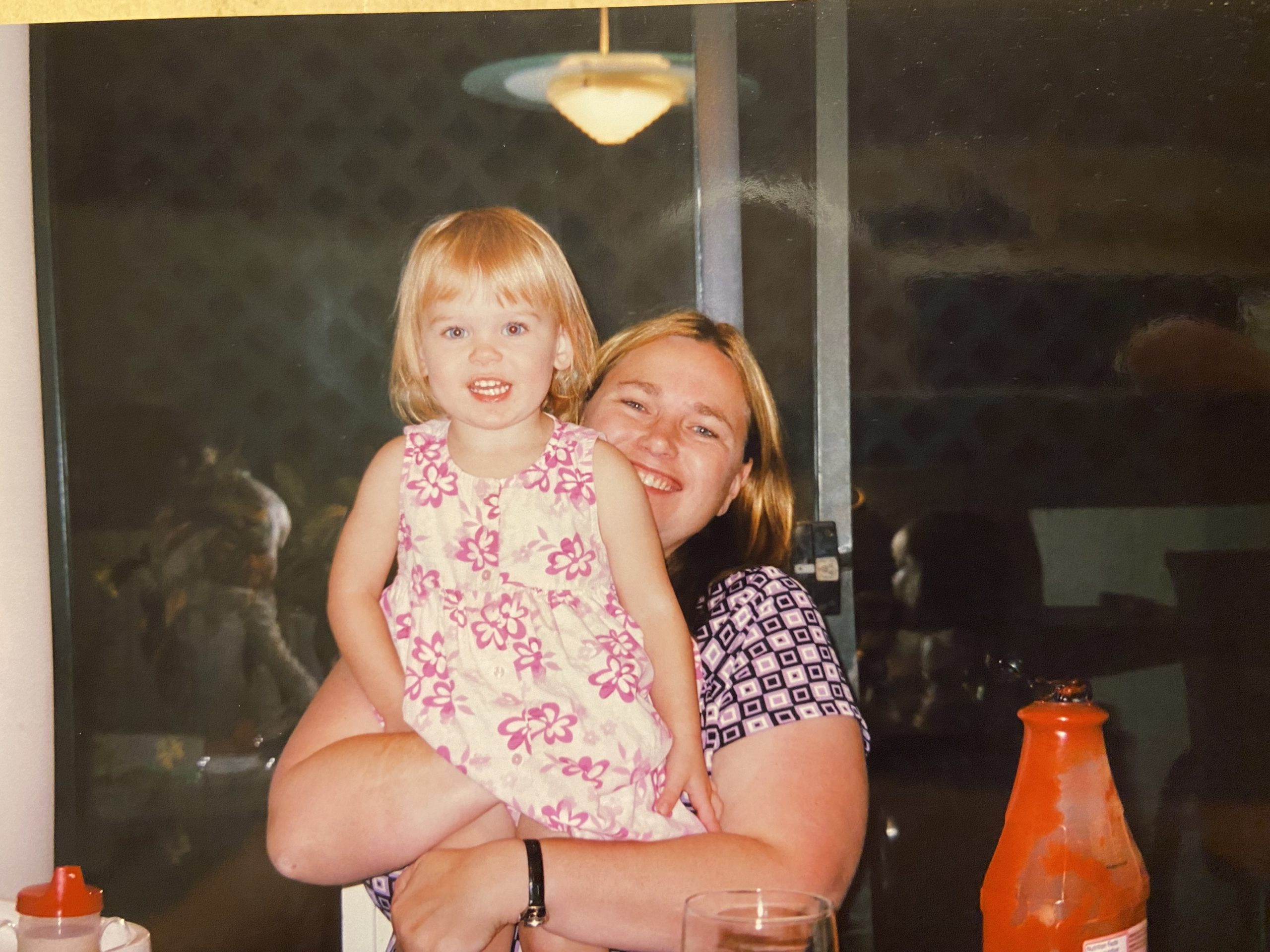
Captio1n
Eventually, I focused on staying positive and as upbeat as possible when my mom was having hard days to hopefully improve her mood. Being resilient and learning coping skills became important not only for my own wellbeing but to keep my mom focused on getting better. My experience is not unique, with approximately 10% of children worldwide having a parent with a chronic illness (Chen, Panebianco, 2020), a number on the rise as chronic illness increases globally. While some may have resources to support their families, which I was fortunate to have, many others are forced to take on caretaking and other responsibilities that can affect the wellbeing of the child, short and long term.
Children and adolescents are at a heightened risk of emotional distress from feelings surrounding the illness or having to uptake more responsibilities, social impacts, and long-term effects if coping mechanisms and resiliency are not gained. When provided with the right support and resources children can also gain important resilience skills and experience post-traumatic growth. In a study done on long term effects of parental cancer, 44% of respondents described experiencing post-traumatic growth and positive effects as a result of the experience (Wong et al., 2009). While this issue affects millions of children worldwide and there is a significant amount of research about the effects on parents whose children are chronically ill, little research has been done on the effects of parental chronic illness on children. I am positioned as someone who experienced a parent with chronic illness, experienced significant emotional distress, but had resources and a support network that made it possible to gain resilience.
Other factors such as financial status, adult support, family systems, school support, access to close and reliable healthcare and more can affect the outcome of how the child responds to the illness. Providing resources to families and children of those dealing with chronic illness can give them a better opportunity to respond in a way that better supports the outcomes of children and their ability to experience post-traumatic growth. Earlier research, while limited, provides compelling evidence to support both adverse emotional effects as well as post-traumatic growth being experienced by children whose parents experience chronic illness. Studies examining different effects of parental chronic illness will be discussed throughout this article with leading researchers in the field such as Chen and Panebianco who have conducted multiple studies on effects and researchers in Norway such as Kassbøll and Faugli. Throughout this article we will explore the effects of parental chronic illness on children or adolescents through both personal accounts and previous research, understand how intersecting factors influence the effects the illness has on the children, and how emotional and caregiving support and community resource availability could influence positive effects.

Captio2n
The Role of Internalization
When my mom was first diagnosed, I was very confused about the treatments and surgeries she was going to undergo and how it may affect her. I did not understand that there were stages of severity, several types of cancer, and that treatments varied. While I felt comfortable asking questions about certain things, others I shelved because they made me uncomfortable to ask. Along with the discomfort to ask certain questions was the discomfort to talk about feelings and worries. I often felt that verbalizing my worries would make them a reality. I wanted to appear emotionally stable and happy to reduce my parents concerns as well so they could focus on my mom’s health. My sisters both reported having similar feelings to me. Rachael, my eldest sister mentioned both my parents pushing her to not let outside factors of what she was dealing with impact her life (Tomlinson, personal communication, March 1st, 2026). My parents were trying to encourage resiliency and normalcy in our lives but through our attempts at resiliency and pushing through issues, there was a tendency to neglect our own emotions.
In a study done in Norway in 2021 by Kaasbøll, Lydersen, Skokauskas and Sund, using data collected from adolescence and young adults in previous years, researchers looked to investigate the relationship between parental chronic illness and internalization of problems in adolescence as well as the mediating role attachment plays in internalizing feelings. Results from this study showed that parental chronic illness in adolescence is a risk factor to adolescence internalizing symptoms, but parental attachment serves as a protective factor (Kaasbøll, et.al, 2021). In the results there was also a difference in result based on gender, with girls appearing to be more vulnerable to internalizing problems compared to their adolescent boy counterparts. Adolescent girls were more vulnerable due to filling roles often as caregivers (Kassbøll, et.al, 2021). While the entire family should be considered in the treatment and care of parental chronic illness, this study points out a need for care specific to adolescent girls. “It has been suggested that girls whose parents have chronic illnesses may benefit more from stress management than boys. Hence, selective interventions specifically aimed at adolescent girls may be valuable in the context of parental chronic illness” (Kaasbøll, et.al, 2021). Creating programs focused on stress management and improving parental attachments could help to reduce internalization of problems and the overall stress levels of the adolescent or child. These programs should be created for all but could more specifically target adolescents’ girls and those taking on caregiving roles in the home.

Rachael playing high school basketball at the time my mom was going through chemotherapy. Basketball along with soccer, choir, band, and academic clubs kept her busy everyday of the week which my parents strongly encouraged her to continue throughout my mom’s illness.
Caregiving
During my mom’s cancer treatment my entire family took on more responsibilities than we had before and that included us as kids. While my mom’s caregiving responsibilities were mostly taken on by my dad, we still had to help out occasionally. I often wanted to take on more caregiving responsibilities for my mom and help her after chemotherapy or surgeries so as I got older my mom allowed me to help with more. I do not remember having to take on a large amount of caregiving and we stayed in all our after-school activities, so I never felt overburdened with responsibility. Sarah Humchitt, a close friend who worked as a rehabilitation assistant and whose mother was diagnosed with chronic illness when she was an early teen, described her experience of caregiving and how taking on this role helped guide her down her current education path. Sarah was responsible when her dad was away for work to take care of her mom and had other family responsibilities as well, “My brother was also born when I was 11 and by 13 I was able to take care of him on my own… even today, I act as a third parent to my brother having him under my care full time (S. Humchitt, personal communication, March 30th, 2026).
Rachael, my eldest sister described her caregiving responsibilities as more associated with taking care of my little sister and I as she would often be in charge when my parents were at appointments (Tomlinson, personal communication, March 1st,2026). While some families may have a large support system around them that can aid in caregiving, it is often up to the immediate family to manage on their own. This often leads to older siblings taking on more caretaking roles for younger siblings or the parent which could affect them emotionally. The youngest of us four siblings, Payton who was seven when my mom was diagnosed in response to me asking if she had to take on additional responsibilities said, “I wasn’t given any extra responsibilities to do but I wanted to make the fight easier in any way I could so I slept in her room with her during those years and created a routine where I would set up for her before we went to bed” (Tomlinson, personal communication, March 25th, 2026). Her forming a routine with my mom was beneficial for both my mom and sister as it allowed them to have bonding time together every night where they could talk to each other and comforted my sister as this was a way she could bring comfort to my mom when she was in pain.
A systematic review of 25 different studies on the impacts of caregiving on children described the effects that can occur and some of the reasons why the child may have to be involved in caregiving. Children being involved in caregiving is more likely to occur in single parent households compared to households with both parents living together, and most of the care is provided for chronically ill mothers (Chikhradze et al., 2017). Caregiving tasks can take up a lot of the child’s time each week and can be prolonged as well. In one study, 50 participants were asked how long they had been helping their family in caregiving tasks, 22 responded between seven-ten years, more than 10 years or all the time (Chikhradze et al., 2017). The task of caregiving can take a great emotional toll on the child with negative emotions having an extensive range from guilt and fear to threatened and overwhelmed. Caregiving can also have a positive impact on the child as helping others can be a healthy active coping strategy, “…these children recognize their own competences and develop positive feelings of self-esteem” (Chikhradze et al., 2017). Autonomy in decision making in helping with caregiving and providing adult support can lead to more positive outcomes. This is why my perception of caregiving tasks was overall positive during my mom’s illness as help was offered by myself and I received support from my father and grandparents. I received a lot of recognition by my mother when I would help her as well, which is a crucial factor in supporting the emotional wellbeing of the child.
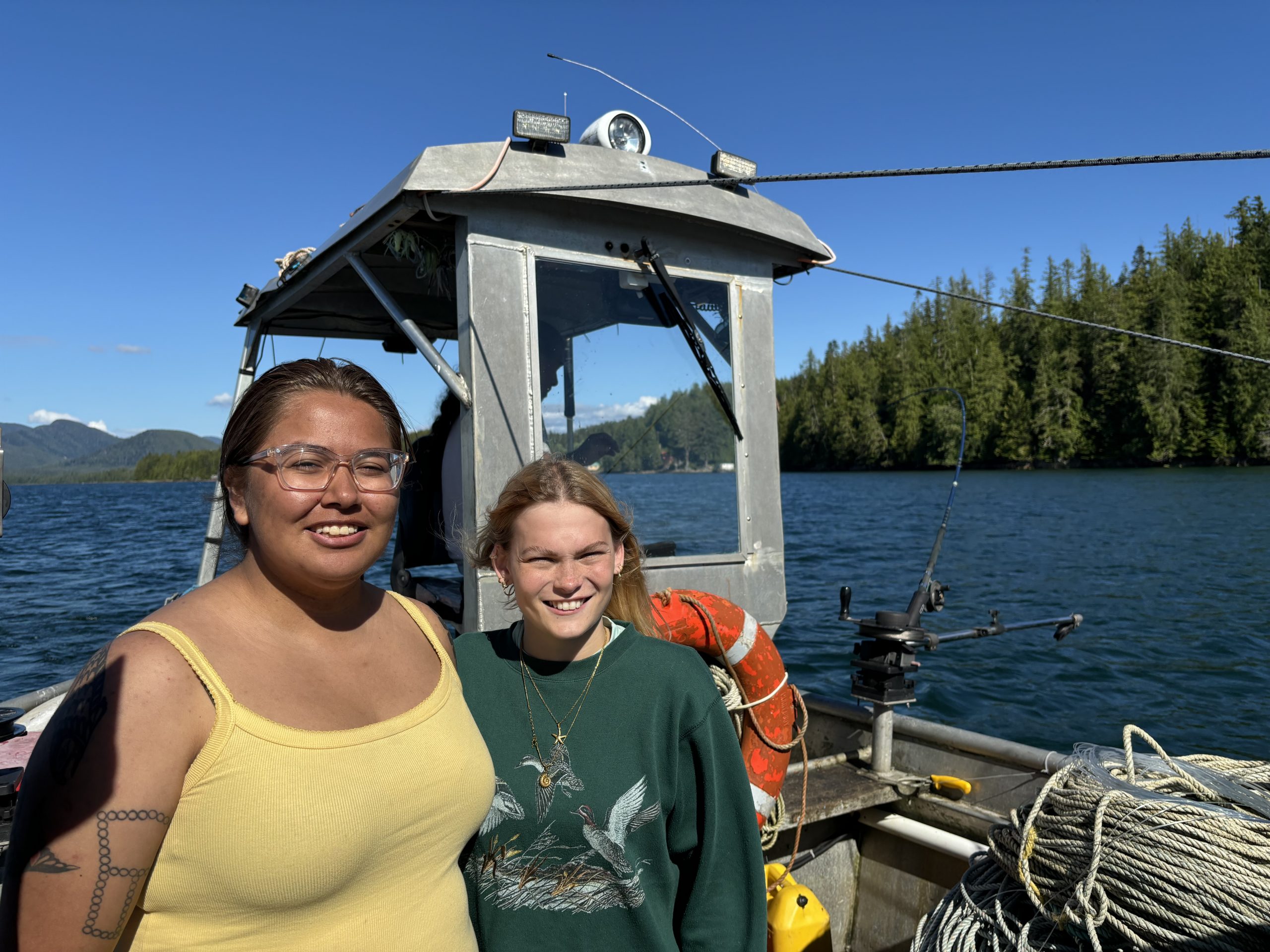
Sarah and I on her families fishing boat in Bella Bella, where her family lives except for her and her brother while in school. Sarah has her brother under her care while they are in school in the Lower Mainland.
Effects of Parent’s Emotional Wellbeing
Throughout my mom’s treatments and surgeries, she tried to have an optimistic and positive outlook on things but throughout her cancer recurrence there were some days where it felt there was no positives to look at. One particular memory that stands out is when my mom and dad took the three of us sisters out of school to go with them for what was supposed to be my mom’s last round of chemotherapy. When she went in to receive the treatment, she was told her white blood cell counts were too low to receive chemotherapy, and she would have to come back the next week. I remember how upset all of us were and how disappointed my mom was that it was not her last day of chemo. While my mom was very physically ill at the time, the thing I remember most and what affected me was how sad my mom was. According to a study done by Chen and Panebianco, two researchers who focus on family psychology, the emotional and psychological wellbeing of the parent has a larger effect on the psychological outcomes of the adolescents than the physical health of the parent (2020).
While the emotional wellbeing of the parent can affect the child, a result of that can also be emotional parentification where the child’s role becomes managing the parent’s emotions as well as their own. In the same study, emotional parentification played a key role in the psychological outcomes of the adolescents, while instrumental parentification (household responsibilities) did not have a significant effect (Chen, Panebianco, 2020). This could contribute to the strain felt in caregiving as well if children or adolescence are tasked with helping manage their parents’ emotions. Protective factors identified in the study were having a dedicated support system particularly with peers, as this provides a sense of normalcy in the adolescent’s life. A strong social support system within peer groups can provide a place where the child or adolescent can speak about their issues and feelings or escape from the difficulties and focus on other things.
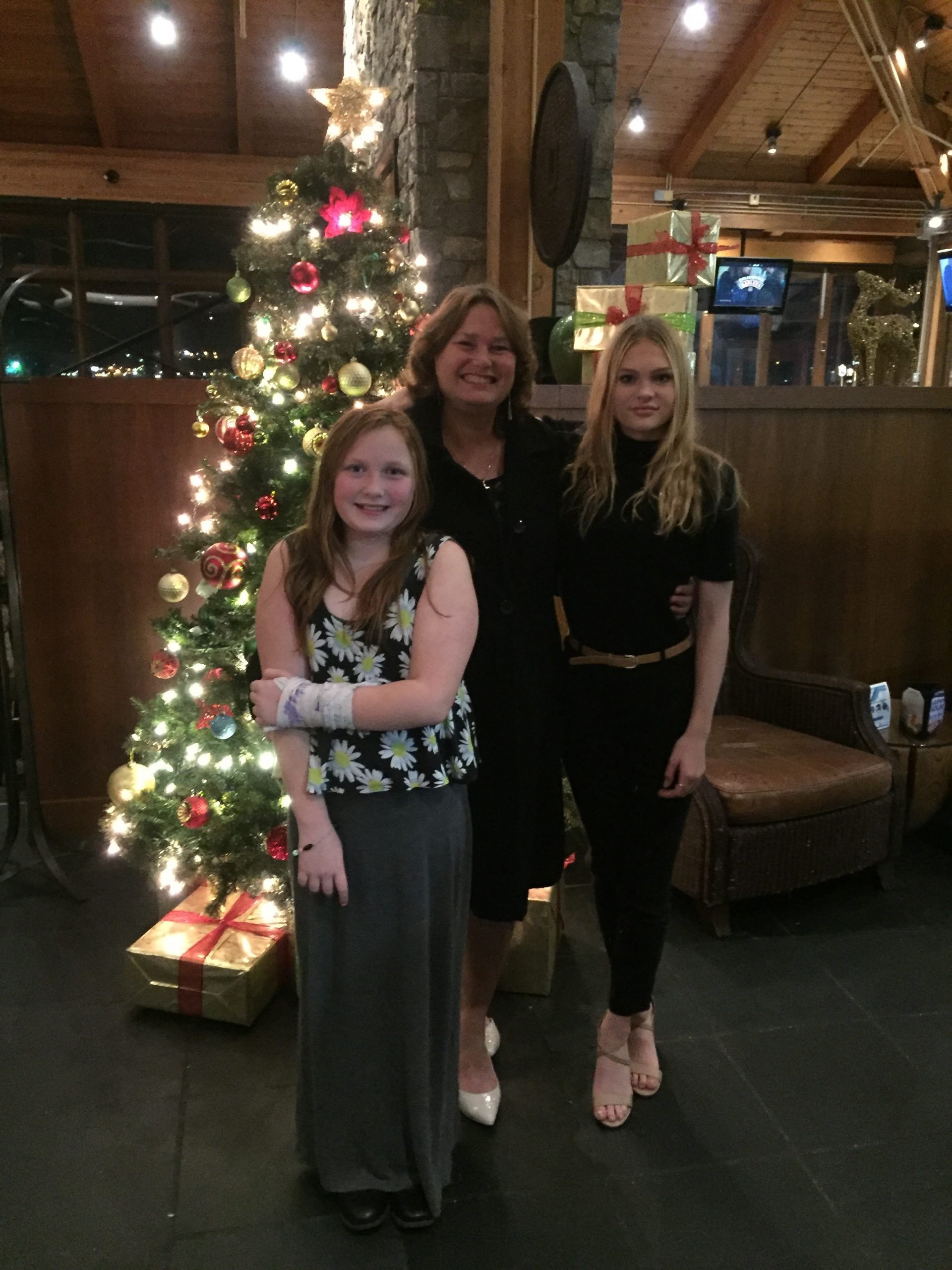
Payton, my mom and I at Christmas time. My mom had completed her chemotherapy and was in remission when this photo was taken which was very exciting as the previous two holiday seasons she was recovering from surgery or treatments.
Health Related Fears
Fears surrounding the health of a chronically ill parent is a common effect, and fears about the health of other family members, and the child or adolescent themselves can occur as well and affect them long term. When my mom was ill and for the next few years, my fears were associated with her health and if she would get sick again but as she moves further into remission, my anxieties have focused more on my own health. Rachael has had a similar experience with health-related fears. When asked how my mom’s illness has shaped who she is as a person now, Rachael described her fears of having breast cancer like my mom, or my sister and I getting cancer. “…Even with it not being genetic, we have early testing, so I think that it is something that plays on my mind… and I have a lot of fear of, one of you guys getting it… I think in my mind, I am more scared that one of you guys would get it” (Tomlinson, personal communication, March 1st, 2026).
Sarah described her sister and her concerns for their mom as she aged, as their mother’s aunt was diagnosed with the same kind of arthritis but at a more advanced stage and had to receive around-the-clock care from Sarah’s family. She remembers feeling terrified at the time that her mom’s future was going to look similar (Humchitt, personal communication, March 30th, 2026). Payton in interview described how her age played a role in her health-related fears at the time, “I didn’t understand the risks involved or the process, and to me it just felt like losing my mom was inevitable…which as a little kid or person in general is one of your worst fears to lose such an important person in my life” (Tomlinson, personal communication, March 25th, 2026). Health related fears similar were discussed in a qualitative study that asked children aged 8-18 what the most difficult challenge related to having a severely ill parent. Some thought and feelings that were brought up in responses were concerns about their parent’s condition and the future condition of them which caused difficulties sleeping and concentrating in school (Faugli et al., 2020). The findings from this study show that developmental benefits may occur if children receive support in meeting and managing these challenges thoughts and feelings (Faugli et al., 2020). Receiving support from the parent and other family, as well as counselling when needed can help the child process their feelings and supports their wellbeing.
Risk Factors and Protective Factors
When dealing with chronic illness, extraneous variables may affect the wellbeing of both the parent and the child. In a study done to understand why some children of chronically ill parents display problem behaviour, the young age of the child, young age of the parent, low socioeconomic status, and long duration of illness were all risk factors that contributed to problem behavior (Sieh et al., 2010). Financial burdens and concerns can also contribute to children having to take on caretaker responsibilities and may have an effect on them socially as well with potential limitations in activities they can take part in. Family structures and functioning play a key role in the functioning of the child as those with poor relationships with the well parent or both parents prior to diagnosis showed more difficulty adapting to the illness (Visser et al., 2004). Chronic illnesses can affect families’ roles they typically take on, and a high number of illness related needs can have a negative effect on family functioning (Visser et al., 2004). Sarah in her work as a rehabilitation assistant and in her unofficial position of working specifically with Indigenous patients, saw cases of children being substitute decision makers and main caregivers of parents (Humchitt, personal communication, March 30th, 2026). All these factors can create a risk for negative emotional and social outcomes long and short term.
There are protective factors and interventions that can help guide children through dealing with a parent’s chronic illness and help promote post-traumatic growth and resiliency. Community based services being provided to the child and family including interaction between specialists and privately provided services for vulnerable families can help promote positive coping strategies (Steffenak et al., 2021). Providing age-appropriate education around the illness and knowledge about treatments and what is to come helps provide understanding of the illness which can improve outcomes. Good peer relationships, maintenance of everyday routines and a healthy dynamic and relationship with the family can serve as protective factors when facing parental chronic illness. My sisters and I were able to continue with the sports and activities we loved which kept a lot of normalcy in our lives and allowed us to continue to strengthen important peer relationships. This would not have been possible without both my parents, grandparents, older brother, family friends, and school, working together to support us.
While parental chronic illnesses can affect children negatively, resiliency and post-traumatic growth can also occur. In interviews, growth from the experience of the chronic illness was described by both my sisters and Sarah as they described it shaping their perspectives on life and career aspirations. In both research and through interview, it is clear that support in caregiving, community and mental health resources, and maintaining routines and activities helps promote post-traumatic growth and positive psychological outcomes. More research needs to be done on this topic to understand all effects that contribute to negative and positive outcomes, as well as services that can be provided to support the wellbeing of the child. Promotion of current services available to families dealing with chronic illness and the inclusion of the whole family in care can help guide families who are struggling to cope with the chronic illness. My family and I were fortunate to access resources made available by BC cancer and the Share Society which were beneficial to us and supported us during and after my mom’s cancer journey. The links to both are provided below, along with links to other resources that may be useful to families dealing with chronic illness.
https://sharesociety.ca/programs-services
https://www.bccancer.bc.ca/our-services/patient-guide/services-support

Captio6n
References
Chen, Cliff Yung-Chi, and Andrea Panebianco. “Physical and Psychological Conditions of Parental Chronic Illness, Parentification and Adolescent Psychological Adjustment.” Psychology & Health, vol. 35, no. 9, Dec. 2019, pp. 1–20, https://doi.org/10.1080/08870446.2019.1699091.
Chikhradze, N., Knecht, C., & Metzing, S. (2017). Young carers: growing up with chronic illness in the family – a systematic review 2007-2017. Journal of Compassionate Health Care, 4(1). https://doi.org/10.1186/s40639-017-0041-3
Faugli, A., Kufås, E., Haukland, M., Kallander, E. K., Ruud, T., & Weimand, B. M. (2020). “I have cried a lot”: a qualitative study on children experiencing severe parental illness. Scandinavian Journal of Caring Sciences, 35(4). https://doi.org/10.1111/scs.12938
Kaasbøll J, Skokauskas N, Lydersen S, Sund AM. Parental Chronic Illness, Internalizing Problems in Young Adulthood and the Mediating Role of Adolescent Attachment to Parents: A Prospective Cohort Study. Front Psychiatry. 2021 Dec 31; 12:807563. doi: 10.3389/fpsyt.2021.807563. PMID: 35035361; PMCID: PMC8758574.
Sieh, D. S., Meijer, A. M., Oort, F. J., Visser-Meily, J. M. A., & Van der Leij, D. A. V. (2010). Problem Behavior in Children of Chronically Ill Parents: A Meta-Analysis. Clinical Child and Family Psychology Review, 13(4), 384–397. https://doi.org/10.1007/s10567-010-0074-z
Steffenak, A. K. M., Anderzén-Carlsson, A., Opheim, E., & Sandsdalen, T. (2021). Community-based support for children who are next-of-kin for a parent experiencing illness or disability – a scoping review. BMC Health Services Research, 21(1). https://doi.org/10.1186/s12913-021-07270-x
Visser, A., Huizinga, G. A., van der Graaf, W. T. A., Hoekstra, H. J., & Hoekstra-Weebers, J. E. H. M. (2004). The impact of parental cancer on children and the family: a review of the literature. Cancer Treatment Reviews, 30(8), 683–694. https://doi.org/10.1016/j.ctrv.2004.06.001
Wong, M. L., Cavanaugh, C. E., MacLeamy, J. B., Sojourner-Nelson, A., & Koopman, C. (2009). Posttraumatic growth and adverse long-term effects of parental cancer in children. Families, Systems, & Health, 27(1), 53–63. https://doi-org.ezproxy.capilanou.ca/10.1037/a0014771