


Sophia Prem
Sophia Prem (she/her) is a student at Capilano University pursuing a Bachelor’s degree in Interdisciplinary Studies. She respectfully acknowledges that she will be completing her studies on the unceded territories of the səlilwətaɬ (Tsleil-Waututh), shíshálh (Sechelt), Skwxwú7mesh (Squamish), and xʷməθkʷəy̓əm (Musqueam) Nations. Sophia plans to continue her education at Douglas College in the Inclusive Education and Disability Studies Diploma Program. Drawing on her lived experience working with young adults with disabilities within her family and her community, along with her academic training, she aims to contribute meaningfully to inclusive, person-centred support within educational and community settings.
When Aidan gets ready for work in the morning, his routine feels ordinary. He checks the time, moves through familiar steps, and heads out knowing that he is expected and people are relying on him. 14 years ago, my older brother Aidan got a job with the Vancouver Whitecaps as their equipment manager. The perfect job for Aidan because of his love of sports, giving him structure and purpose to his day. The quiet normalcy of these actions reflects participation and responsibility that tend to go unrecognized within dominant ideas of independence, which emphasize self-sufficiency and functioning without support. Such a definition leaves little room for adults with cognitive disabilities, whose lives possibly require ongoing assistance and, therefore, are excluded from being seen as independent. This understanding is fundamentally flawed. Assuming independence comes from separation rather than connection, when, in reality, no one exists without support. Whether within workplaces, families, or communities. For adults with cognitive disabilities, the need for support is simply more visible. Their experiences reveal how independence is not the absence of help but the presence of meaningful relationships, roles, and recognition. Work and community are central to everyone’s lives. Employment builds identity and responsibility, and true belonging means being known and valued. Supporting access to these spaces does not reduce independence, it creates it. Independence is not isolation but belonging and having a sense of being needed, connected, and a part of a shared world.
In Western culture, the idea of independence is treated as a sort of moral benchmark within adulthood by being defined as self-sufficient, financially autonomous, and able to manage life without assistance. Earning an income, independent decision-making, and living alone are framed as markers of success and maturity but are disguised as harmless goals. Within this framework, the idea of needing support is often misinterpreted as a failure rather than a normal part of growing up. For adults with cognitive disabilities, this narrow definition creates an immediate barrier that places individuals outside what society considers “fully adult,” regardless of their contributions within society. Disability scholars challenge this assumption by sharing that independence is not a universal standard but a socially constructed ideal shaped by cultural values. Michael Oliver’s social model of disability shifts attention away from individual limitations and toward societal responsibility. He argues that exclusion does not come from impairment itself but from society’s failure to provide adequate support and inclusive structures (Oliver, 1990). This perspective demonstrates how cultural ideals of independence depend on ignoring the systems that enable autonomy for everyone. No one is entirely self-sufficient because people rely on others in their daily lives in order to fully function within society. Those with cognitive disabilities require support, reinforcing a double standard that misrepresents interdependence as weakness and exclusion. Recognizing this exposes the myth that Western independence is understood as relational, that is, built through participation, responsibility, and belonging, it becomes clear that supported autonomy is still autonomy. The issue is not whether individuals can meet unrealistic standards of self-sufficiency, but whether society allows them to participate meaningfully.
Leaving the structure of the school system is a significant and frightening step for someone with cognitive disabilities and their families. School delivers more than just education. It provides predictable routines, integrated social networks, and coordinated support services. Expectations are explicit, and participation is framed in ways that facilitate inclusiveness. When this system expires, individuals and their families must navigate a significantly less predictable adult world, which is frequently typified by fragmented services, restricted career possibilities, and fewer organized spaces for connection. According to research on transition planning, this phase is one of the most critical periods in the lives of people with developmental disabilities. It is often linked to becoming more socially isolated, being less involved in the community, and having trouble finding worthwhile work. This change is more than just getting older, it also means giving up a system that helped you fit in. When you don’t have school, questions about meaning and place become more important and harder to deal with. Families often have to deal with uncertainty, especially when adult programs aren’t regular or have very specific requirements for who can participate. A lot of people hit what academics call a “service cliff,” where help drops off a cliff after graduation, even though they still need it. This gap keeps up the false idea that independence means being able to do things on your own, instead of realizing that you need ongoing, flexible help. This change also makes it clear that common ideas of adults aren’t always accurate. If self-sufficiency is the main thing that describes independence, then a lot of people are unfairly judged as not being good enough. But leaving school gives you a chance to think about being an adult again. People can find structure, purpose, and identity through supported jobs, community groups, and volunteer work. People can make friends, get into routines, and make important accomplishments at these places. The problem is not what each person can do, but whether there are inclusive settings that allow continued participation and a sense of belonging.
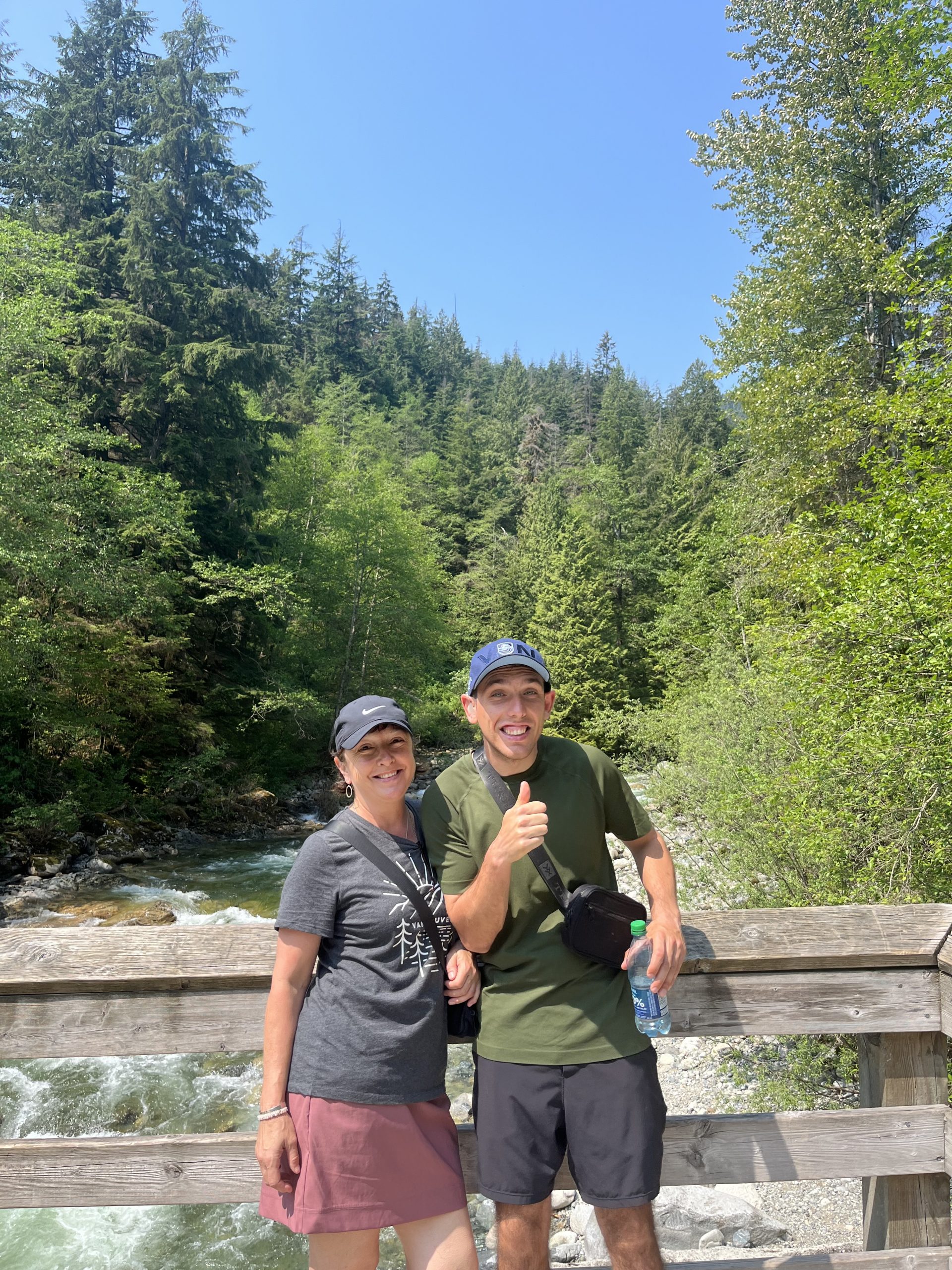
Aidan and his mother Dani.
To understand what independence looks like in practice, we must move beyond theory and into lived experience, which we can see through my interviews with my mother, Dani, and Danielle’s parents, Susan and Jim. Danielle is an adult with Down syndrome who currently has a job at a local supermarket and lives in the same assisted living apartment building as Aidan. These conversations provide something that statistics and policy cannot. Dani is not only my mother but also Aidan’s mother, and she has seen him through every step of his life, from his early diagnosis of global developmental delays at the age of four to navigating adulthood at 30. Similarly, Susan and Jim have spent decades guiding Danielle through childhood, education, and adulthood. Throughout both interviews, independence is presented as a developing concept formed by time, experience, and opportunity, rather than a fixed definition. Dani shared her thoughts about Aidan’s future after his diagnosis, “At first it scared me a lot… I was devastated for about 2 days, and then I realized that he is still the same person that he was 2 days earlier” (Dani, personal communication, March 2026). Susan describes a similar early experience of uncertainty, recalling how she was told to “put the books away and enjoy your baby,” a moment that shifted her focus away from predicting Danielle’s future and toward her current development (Susan, personal communication, April 15, 2026). In both situations, the diagnosis did not redefine the individual, rather, it necessitated a reconsideration of expectations. Dani and Susan agree that independence cannot be evaluated by stringent societal criteria. Dani characterizes it as a prolonged process, “You’re always teaching them to their level of ability… it’s a much longer journey,” while noting that “it’s more him (Aidan) that defines what independence looks like” (Dani, personal communication, March 2026). Susan’s experience reflects this in practice, especially when Danielle was placed in a more independent school environment and required to begin doing things on her own. Danielle struggled at first with activities she had always been helped with, but she eventually “thrived in that environment” because she was allowed to develop those skills on her own (Susan, personal communication, April 15, 2026). These perspectives question the notion of independence as a fixed destination, instead framing it as something achieved via repetition, trust, and opportunity. The transition into maturity is one of the most challenging stages in both stories. Dani recalls how, after Aidan graduated, “all that support basically fell away because he no longer had his daily routine and the adults and programs that supported him,” causing confusion and dread about what might happen next (Dani, personal communication, March 2026). Susan and Jim report a similar experience, stating that while Danielle had access to programs and work experiences, they were eventually left navigating a system in which “it’s extremely difficult” to get long-term employment (Susan, personal communication, April 15, 2026). Both theories emphasize how independence is inextricably linked to access and opportunity rather than individual aptitude alone. In both cases, employment marked a watershed moment. Aidan found purpose, confidence, and pride in his work with the Vancouver Whitecaps and felt a sense of belonging to the team (Dani, personal communication, March 2026). Danielle’s long-term work required advocacy and external support, particularly in navigating systems that were not meant for her, such as online job applications, which Susan describes as “impossible for people like Danielle” (Susan, personal communication, April 15, 2026). What jumps out is not just their employment but what it represents, being recognized and needed. Dani emphasizes that it is not enough for Aidan to be present, what matters is “him interacting… and them knowing him,” while Susan defines belonging as Danielle having “connections in the community” and not being isolated (Dani, personal communication, March 2026; Susan, personal communication, April 15, 2026). At the same time, both discourses recognize the constant balance of protection and participation. Dani confesses that “letting him out in the world by himself is quite terrifying,” while Susan considers anxieties about safety and vulnerability, especially in unfamiliar settings. However, neither sees protection as a cause to limit opportunities. Instead, support becomes a tool for achieving independence, whether through advocacy, structured environments, or progressive exposure to new experiences. Perhaps most crucially, both viewpoints emphasize that independence is not one-sided. Dani views it as “a two-way street,” while Susan emphasizes that people sometimes underestimate their potential with support (Dani, personal communication, March 2026; Susan, personal communication, April 15, 2026). In both circumstances, independence shifts focus from what is lacking to what is contributed. It transforms into something relational, created via connection, nourished by support, and made visible through belonging.
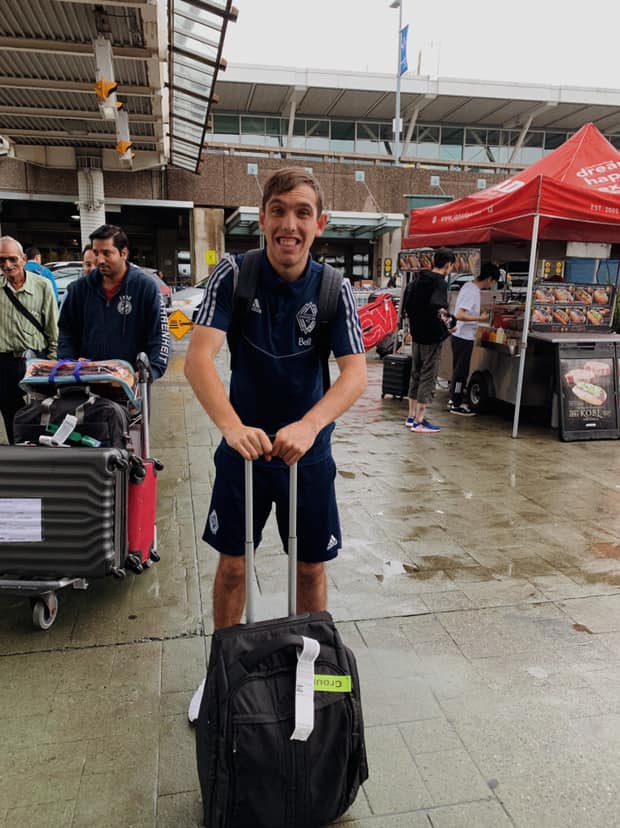
Aidan traveling to Los Angeles with the Vancouver Whitecaps, embracing the responsibilities and opportunities of his work.
Employment impacts adulthood and identity. Although work offers income, it also provides structure, regularity, and responsibility, which help people feel connected to their community. Showing up, doing work, and socializing are more than just basic requirements, they characterize adulthood and independence. Access to meaningful employment can be transformative for those with cognitive disabilities, not because it demonstrates that they satisfy traditional criteria, but because it allows for the development of identity in visible and socially recognized ways. Despite these successes, many challenges remain. Statistics Canada reported that in 2023, 26.8% of those with more severe disabilities were employed, much lower than the rate for those without disabilities. The difference stems from employment policies, job standards, and stigma, which limit access before people may engage. Influence goes beyond pay when a job is available. Work is where people practice life skills like following routines, communicating with coworkers, adapting to changing conditions, and taking responsibility. Living examples of independence increase confidence and capability. Employment connects support and autonomy. Rather than reducing support, great businesses create a system that encourages engagement, transforming aid into a tool for progress. Working fights disability stereotypes by showing contribution and expertise. Partnerships and shared responsibilities foster belonging. Identification and contact build identity, and work provides a chance to experience it via meaningful participation.
The difference between inclusion and belonging is frequently misunderstood, but it is critical to understanding meaningful engagement for individuals with cognitive disabilities. Inclusion is commonly defined as access and the capacity to be physically present in locations such as businesses or community programs. It is sometimes viewed as a measurable outcome when someone is included if they are allowed into the room. Being present does not imply connection. Even if involved, someone may feel invisible, left out, or unclear about how to contribute. This gap highlights how limiting inclusion is to physical access and not social involvement. You need more to fit in. It means being known, respected, and valued in relationships. Being present isn’t enough, you must be someone others want to talk to, trust, and depend on. The American Association on Intellectual and Developmental Disabilities (AAIDD) defines social inclusion as more than merely being there. Links, community involvement, and belonging are also important. This turns inclusion into a trusting, participatory relationship. This difference has important effects on how freedom is understood. Inclusion is crucial, yet it may be difficult for people to form true relationships when they are “included.” Here, freedom is still unattainable. Feeling like you belong boosts independence. When people form partnerships and share duties, they develop confidence, identity, and purpose. Whether or not cognitively disabled persons to feeling like they belong depends on group dynamics. To encourage true participation, communicate, acknowledge, and support. Belonging creates communities, revealing that freedom comes from connection, trust, and meaningful social participation, not isolation.
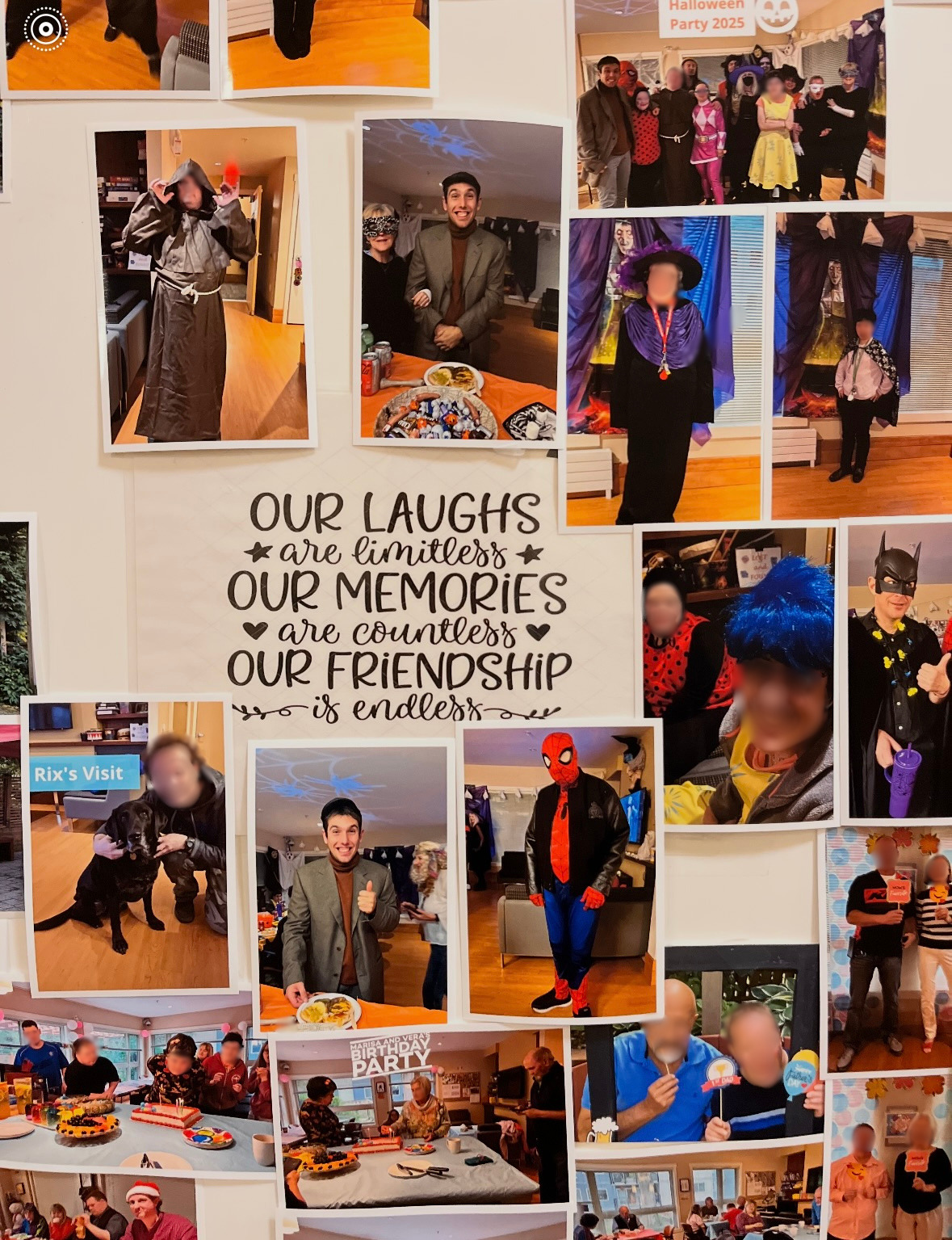
A bulletin board in the lobby of Aidan’s apartment building, where photos of residents enjoying and participating in staff and community-organized events are displayed.
Image 5: After the Vancouver Whitecaps’ 2024 Canadian Championship win, Aidan is brought down from the stands to celebrate on the field with players, staff, family, and friends, recognized as part of the team and its community.
Concerns about protection are important to discussions about independence for individuals with cognitive disabilities, and they are legitimate. Sometimes concern is expressed that engagement in job or community life would expose individuals to hazards such as exploitation, stress, or unfamiliar surroundings. These dangers exist in non-inclusive environments. Simultaneously, cognitive disabilities exist on a wide continuum, with individuals experiencing varying levels of need, communication, and vulnerability. For some people, managing their job or community setting can be much harder, making it harder to make decisions about their independence or, in some cases, leaving them with no choices. These facts help explain why safety is often the most important thing. But everyone’s experiences are very different, and in some cases, families have better support systems, tools, and chances to get involved, which makes it easier for them to do so. In this way, being able to achieve independence in meaningful ways is also a privilege. Aidan’s experience shows this, as the right supports, environment, and opportunities have made his involvement both possible and helpful. So, limiting choices might seem like the safer option, giving the idea that safety and participation can’t go together. However, viewing the situation as a choice between safety and independence oversimplifies the problem. Restricting access to jobs and community involvement can have less obvious but equally negative repercussions, such as isolation, a lack of purpose, and limited personal growth. Individuals who are excluded miss out on opportunities to form relationships, learn new skills, and boost their confidence. In this way, overprotection can exacerbate rather than reduce dependence. A more balanced approach acknowledges that risk is a part of everyone’s lives. The idea is to manage risk through support and structure, rather than remove it completely. Supported jobs and community programs show how such an approach might be done in practice, combining direction and monitoring while allowing persons to take on duties and participate actively. Support becomes a tool for engagement rather than a barrier to it. This viewpoint also questions the notion that independence necessitates total self-sufficiency. In actuality, independence is better defined as the ability to act autonomously within a network of assistance. Making decisions, contributing to common areas, and communicating with others, even with direction, are all examples of autonomy. Protection, therefore, should not limit access but guarantee that persons have the resources they require to engage securely. Recognizing the range of experiences throughout the spectrum, as well as appreciating the role of privilege in accessing supportive contexts, contributes to moving the conversation beyond a simple binary. It demonstrates that safety and belonging are not opposing forces but can and should coexist.
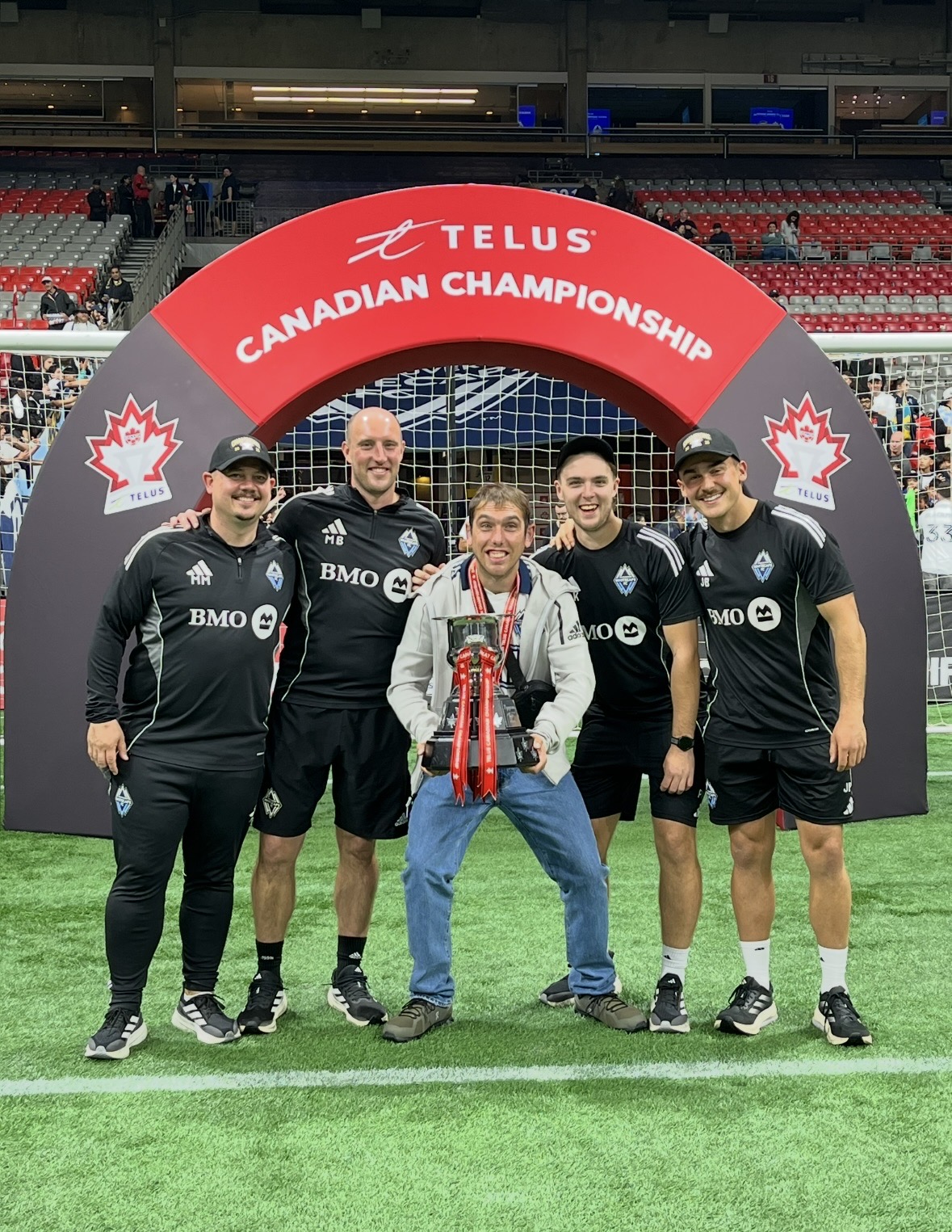
After the Vancouver Whitecaps’ 2024 Canadian Championship win, Aidan is brought down from the stands to celebrate on the field with players, staff, family, and friends, recognized as part of the team and its community.
Inclusion is sometimes characterized as something that communities provide to people with disabilities, but experiences like Aidan’s demonstrate that it is a two-way process. When Aidan started working with the Vancouver Whitecaps FC equipment team, it was viewed as an opportunity for him to establish routine and confidence after leaving school. However, his presence altered the team dynamic. Players and staff usually underline not only what Aidan earns but also what they get from him. He is regarded as a “joy,” someone everyone values in the locker room, with an “uplifting” attitude that benefits those around him (Devji, 2014). Aidan’s positive attitude changes the climate in a high-pressure professional sports environment where performance and stress are paramount. His presence encourages people to consider their opinions, creating a more supportive and connected workplace. This exemplifies the concept of mutual benefit. Aidan is more than just included, he actively contributes to the team’s culture, influencing how others interact and perceive their work. Notably, his job is not symbolic. Aidan has genuine responsibilities, such as organizing equipment and supporting training sessions, which he takes seriously. Staff duties have grown throughout time, not as a result of accommodation but as a reflection of their development and contribution. This contradicts the notion that inclusion reduces standards. Instead, it demonstrates how companies change via inclusiveness, broadening their understanding of value and capabilities. Supported employment research reflects this broader impact, demonstrating that inclusive cultures benefit not only individuals but also teams and communities. They become more collaborative, flexible, and involved. In Aidan’s instance, his presence strengthens the locker room, proving that independence is not gained alone but rather thrives within communities that are prepared to evolve with those they include.

Aidan loves capturing and remembering the experiences he shares with friends and family through photography—moments made possible by his work, often bringing them to games. These memories reflect not only his love of the sport, but also his connection to the team, the crowd, and the sense of belonging that comes with being part of something larger than himself.
When you look at independence through the lens of your own life instead of strict cultural norms, it changes what it means. Throughout Aidan’s life, from school to the uncertainties of maturity to finding purpose through job and community, it is obvious that autonomy is about establishing opportunities for participation rather than removing support. The tale that emerges is one of adaptation, connection, and growth, rather than one of limitation. The structures that surround individuals have a significant impact. When those structures are inclusive, responsive, and based on solid connections, people can contribute in important and visible ways. Reframing independence in this manner also moves responsibility outside. The question is not about whether people with cognitive disabilities can fulfill a restricted criterion of self-sufficiency but whether communities are willing to develop to accommodate diverse ways of being and participating. The influence of workplaces, social surroundings, and daily interactions determines whether someone merely participates or truly belongs. Aidan’s experience demonstrates how belonging allows for the development of confidence, identity, and responsibility while also improving the communities around him. Ultimately, independence does not exist in isolation. Relationships form the foundation, involvement reinforces it, and acknowledgment keeps it going. Recognizing, trusting, and providing opportunities for people to contribute allows them to transition from the margins to shared spaces where they feel valued. Extending the concept of independence to encompass assistance, connection, and belonging does not diminish its significance, but instead, it enhances its truthfulness, humanity, and inclusivity, reflecting the realities that shape daily life.
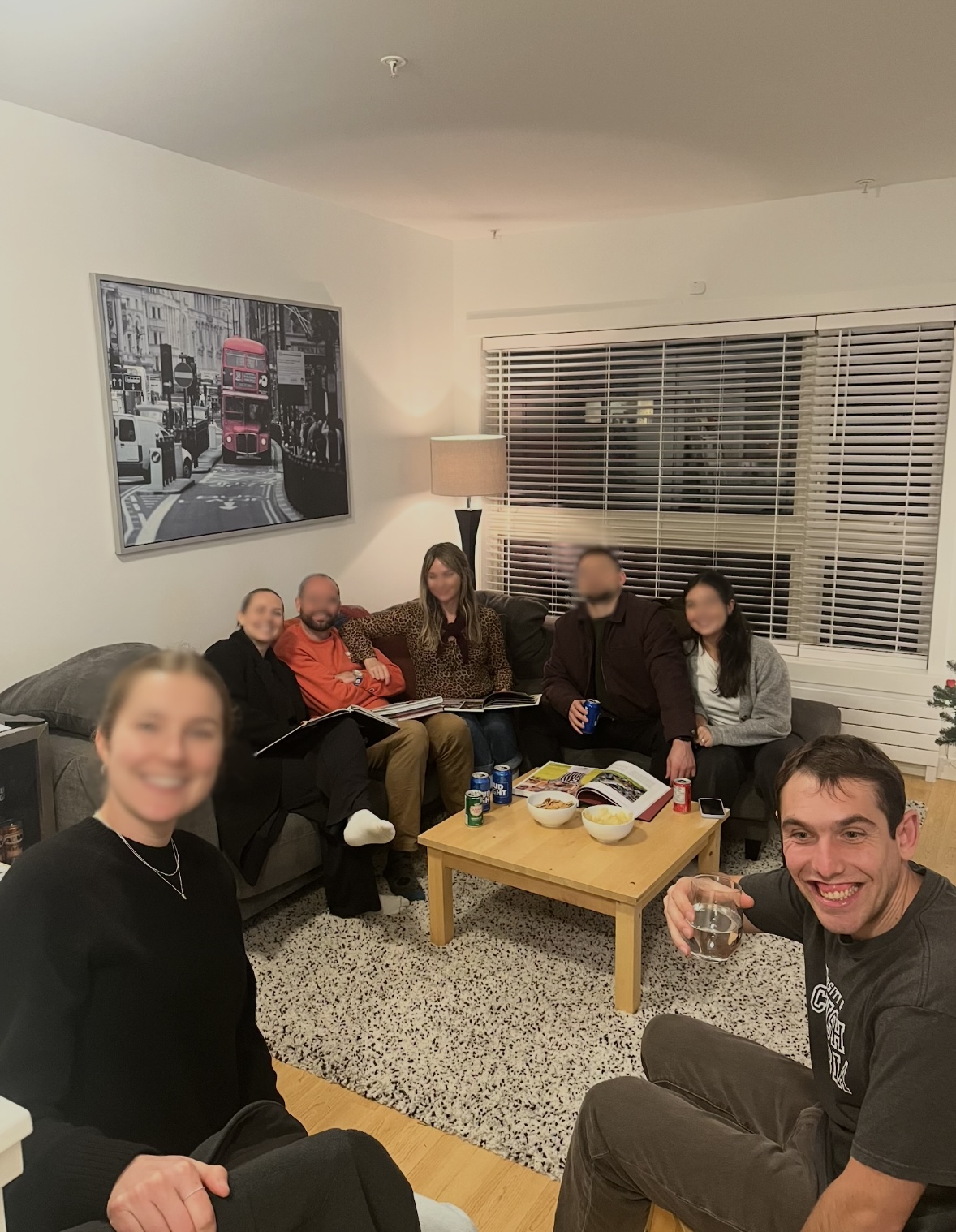
A housewarming celebration hosted by Aidan with friends, marking a major milestone after years of effort, growth, and the transition into supported independent living.
References
American Association on Intellectual and Developmental Disabilities (AAIDD). (2021). Community living and participation for people with intellectual and developmental disabilities.
https://www.aaidd.org/docs/default-source/prepressarticles/an-equity-based-research-agenda-to-promote-social-inclusion-and-belonging-for-people-with-idd.pdf?sfvrsn=b6f10321_0
Devji, F. (2014, November 15). How Aidan Prem’s “uplifting and positive attitude” rubbed off on Whitecaps FC this season. Vancouver Whitecaps FC.
Oliver, M. (1990). The Individual and Social Models of Disability. University of Leeds
https://disability-studies.leeds.ac.uk/wp-content/uploads/sites/40/library/Oliver-in-soc-dis.pdf
Statistics Canada. (2023). Labour market characteristics of persons with and without disabilities, 2023.
https://www150.statcan.gc.ca/n1/pub/71-222-x/71-222-x2024002-eng.htm
Test, D. W., Fowler, C. H., White, J., Richter, S., & Walker, A. (2009). Evidence-based practices in secondary transition. Career Development for Exceptional Individuals, 32(2), 115–128.
https://journals.sagepub.com/doi/epdf/10.1177/0885728809336859
Wehman, P., Chan, F., Ditchman, N., & Kang, H. (2018). Effect of supported employment on vocational rehabilitation outcomes. Journal of Vocational Rehabilitation, 48(3), 297–309.
https://www.tandfonline.com/doi/full/10.1352/1934-9556-52.4.296?scroll=top&needAccess=true