


Alice De Graeve
Alice De Graeve is a Bachelor of Science student in the biomedical concentration at Capilano University, with a minor in psychology. Raised in Uganda and of Belgian nationality, she continually finds herself in a cultural predicament. Her path to science began in high school, where she conducted microbiology research for the International Baccalaureate’s Extended Essay. She then continued on to the Netherlands and then to Canada at Capilano University. She has earned a place on the Dean’s List four times, which has helped her confidence in her abilities grow.
Her research interests lie in immunology, infectious disease, and medicinal chemistry, and she plans to pursue a Master’s or PhD following graduation. She also serves on the Dean’s Student Advisory Council, where she advocates for student success in the BSc program. When she is not in the lab, she can be found deep in a high fantasy novel, rolling dice at the Dungeons and Dragons table, or losing track of time in a video game.
“We have something very serious to discuss,” was how Dr. Kimberly Duffy discovered that a colleague she had dined with only weeks earlier was infected with Ebola. That colleague had been part of a research team in the Tai forest of Cote d’Ivoire, where chimpanzees were dying in alarming numbers. In their effort to determine the cause, the team conducted postmortem examinations. Days later, a 34-year-old researcher developed a fever, headache, chills, diarrhea, abdominal pain, and a rash. This was the first confirmed human case of Ebola in West Africa in a long time, and with that came a novel strain of Orthoebolavirus taiense. The researcher eventually recovered after being transported to a Swiss hospital for treatment, and all those in close contact tested negative.
Dr. Duffy later recounted this story to us in Uganda, where she was teaching as my biology instructor. Uganda has its own extensive history of multiple outbreaks across decades and strains, and has learned something crucial from that struggle. Her account and Uganda’s experience underscores an important point: when Ebola, due to its mortality rate, draws international attention during outbreaks, there is a large focus on its severity and spread. When the outbreak of 2014 occurred, spreading to Europe and North America, unsurprisingly, the media fixated on the death toll and the global spread. This focus, while important, often pushes to the side what outbreak-prone countries are already doing in preventative measures. A key example is Uganda, which has already had 7 outbreaks since 2000. Drawing from secondary literature and personal observations traveling between Uganda and the DRC in 2016, this paper argues that the trajectory of each outbreak depends less on the virus’ lethality or virulence but rather on how effective healthcare systems contain the spread through experience and rapid response.
Uganda’s 7 outbreaks occurred between 2000 and 2025, caused by the Sudan and Bundibugyo strains. The first reported case of Ebola in Uganda was in the year 2000, where the strain was Orthoebolavirus sudanense and had a total of 425 cases, 53% of which were fatal. The next outbreak was in 2007, and with it came a new strain, Orthoebolavirus bundibugyoense, originating from the Bundibugyo district. The next outbreaks followed in 2011, 2012, 2022, and 2025. Each outbreak resulted in a different number of individuals infected and a mortality rate. The most recent outbreak in 2025 was caused by the same Sudan strain in 2000, but resulted in only 12 cases. What has changed? The 2022 outbreak shaped Uganda’s response through lessons learned.
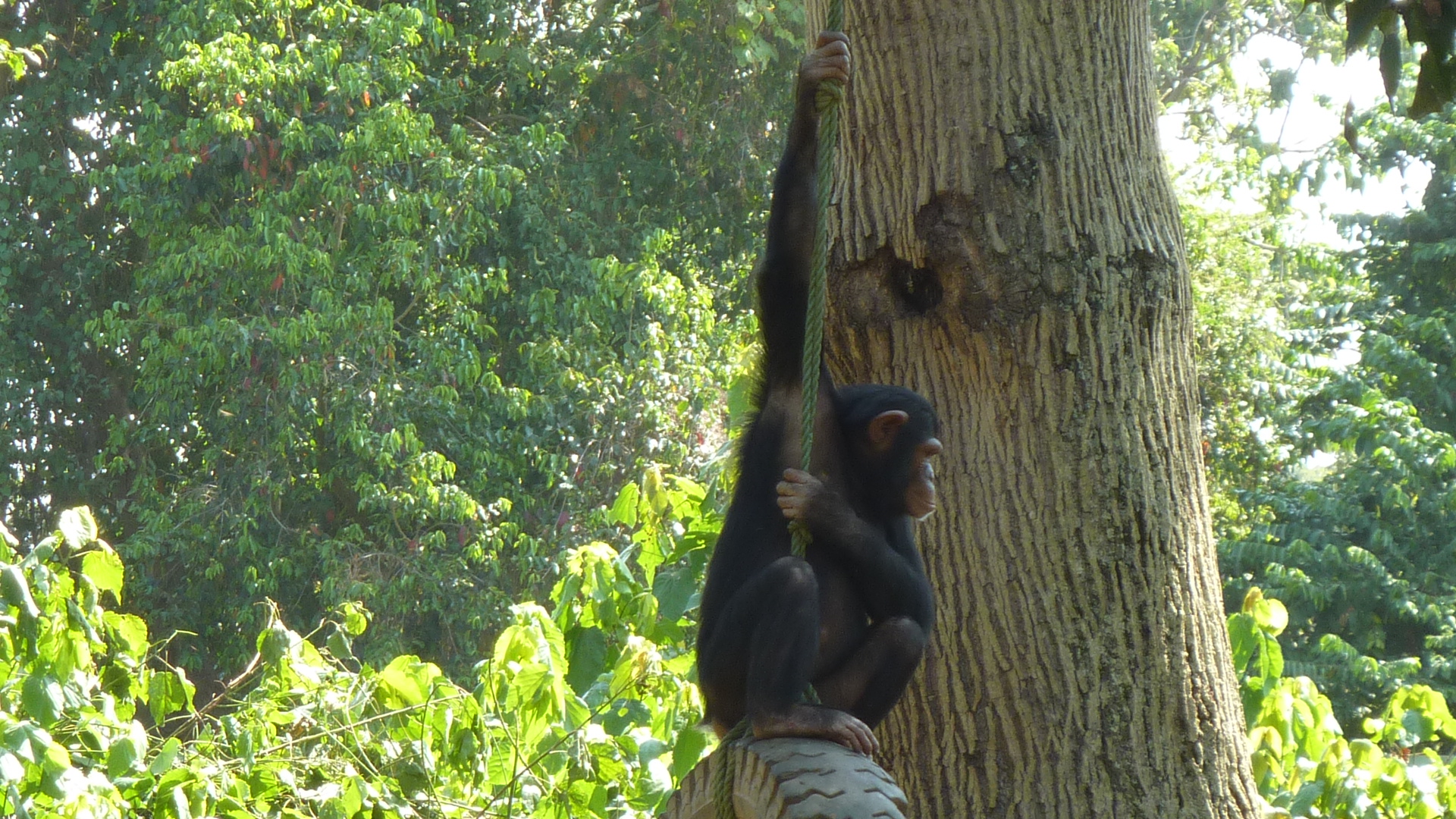
A Chimpanzee photographed in a Ugandan Sanctuary. Picture taken by Annick Uytterhaegen.
Uganda’s status as an Ebola-prone country rests largely on its porous borders, with neighboring countries including the Democratic Republic of Congo (DRC), Burundi, Rwanda, Kenya, South Sudan, and Tanzania. It is also often called the “pearl of Africa,” containing a diverse range of ecosystems, making it a tourist hotspot for nature and wildlife enthusiasts. Compared to its bordering neighbors facing instability, such as South Sudan, Burundi, and the DRC, Uganda is relatively peaceful. Surrounding conflicts have led to Uganda having porous borders for those seeking safety and stability, with estimates suggesting 5,000 people enter Uganda from the DRC daily. Refuge is not the only reason to cross the border; other reasons include trade, healthcare, and farming, which is especially true for Uganda, sharing a border with Northern Kivu, a region heavily reliant on the country’s resources. Uganda’s geography puts it at high risk of spillover when outbreaks occur in neighboring countries, making the response to Ebola a permanent requirement. The DRC is a key topic of discussion, as it has experienced more outbreaks than any other country. The magnitude of these outbreaks is driven mostly by mistrust in health authorities and political instability due to heavy rebel conflict.
When I visited Uganda’s Mahagi Border in northwestern Uganda in 2016, the lack of resources and infrastructure was clear. Two hours after we arrived, in the humid, almost claustrophobic heat, we were still sitting on the narrow and wobbly bench outside a small office space with only two desks. One man, the border patrol agent, coughed while checking our passports on a cluttered desk full of papers. Our visas were verified as we crossed into the DRC. No other rooms or buildings seemed to be dedicated to border control purposes; rather, they were small shops and houses. Luckily, we were among just 10 cars waiting to cross; however, if there had been more of us, we would have waited much longer. With so few staff and resources, even one additional person seemed enough to overwhelm the entire system.
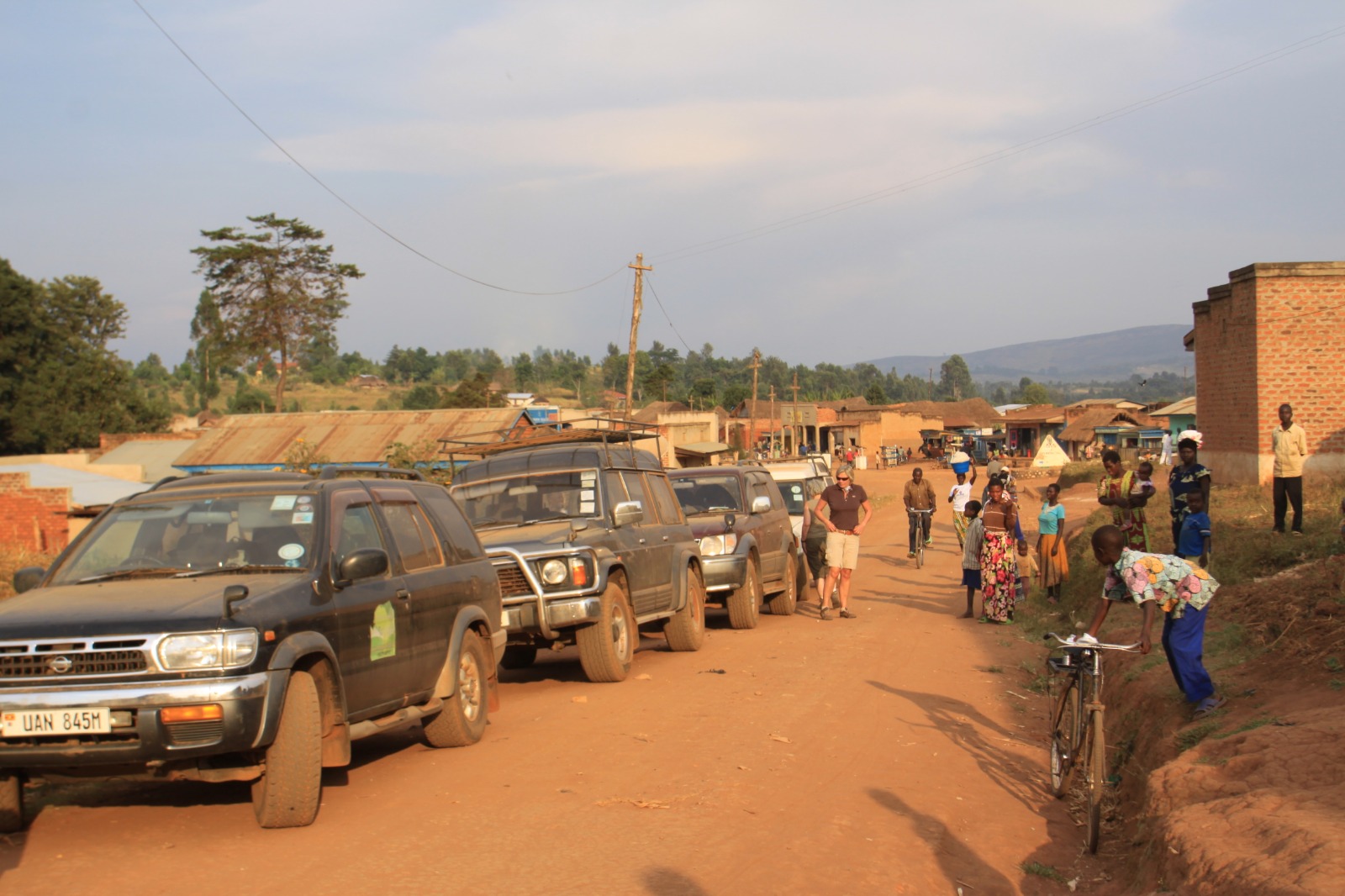
Port of Entry: Mahagi Border between Uganda and the DRC. Picture taken by Philippe Lacroix.
The understaffed border crossing I witnessed could barely manage 10 cars; given that thousands of daily crossings occur, the risk of Ebola transmission is high. Ebola is a virus in the Orthoebolavirus genus, and has been causing public health distress for a long time. With an increase in environmental encroachment due to high population and increased need for land and resources, individuals are coming into contact more frequently with wildlife that may be reservoirs, such as fruit bats, which are hypothesized to be hosts for Ebola. This virus is of a hemorrhagic nature, which means that the cardiovascular system is impacted and damaged. The usual symptoms of Ebola include: fever, joint and muscle pain, sore throat, fatigue, unexplained bleeding, loss of appetite, and gastrointestinal problems. These symptoms can complicate diagnosis, as they are very similar to those of malaria, typhoid, and other bacterial infection. Patient zero is typically exposed by coming into contact with an animal carrying the virus; this is what occurred in the Tai forest. Human-to-human infection requires bodily fluids to be transmitted, which can include saliva, blood, mucous, urine, and more. Importantly, disease spread is considered possible only by those who are symptomatic; therefore, those who are exposed but still in their incubation period are currently thought not to be able to transmit the disease. On average, each Ebola case spreads to between 1.5 and 3.6 people, indicating that one infected person can transmit the virus to up to 4 people on average.
Understanding the structural constraints that Uganda faces during every Ebola outbreak is essential to pinpointing why the response, not the virus, determines the outcome. Infrastructure, on many levels, plays a role in Ugandan prevention. This was expressed clearly by a public health professional who was on location during the 2022 outbreak: they stated that the “test itself can take a few hours,” but it is the transportation of the samples is the key bottleneck. Some cases in South Sudan required a whole week for transportation and testing, as they had to be sent to Entebbe, Uganda, and “… sending samples to another country adds complexity”. Each day a sample is spent traveling or not being tested, multiple other individuals are potentially infected. A solution to this was found during the 2018-2019 DRC outbreak, where ambulances ensured the delivery of samples within 24 hours by being deployed to high-risk points of entry across the Ugandan and Congolese border. Timing is critical when it comes to a diagnosis of Ebola, and transportation is limited by vehicle availability but also by road quality. In Uganda, more rural regions tend to have poorer road conditions.
Another critical infrastructural factor in outbreak response is communication. With only 50% of the Ugandan population having a mobile phone, reaching certain populations to warn about the risks of Ebola becomes a challenge. This was resolved through the use of printed material translated into 15 different languages, door-to-door education, and radio messages. Translating messages into multiple languages highlights the extremely diverse language demographics of Uganda. Communication is key in prevention and contact tracing, and when this fails, it inevitably creates a heavy burden that Ebola places on the healthcare system of Uganda. During an outbreak, hospitals, especially smaller ones, may become overwhelmed with patients, and preventable illnesses may be put on the back burner, allowing mortality to increase with preventable illnesses and Ebola-infected individuals.
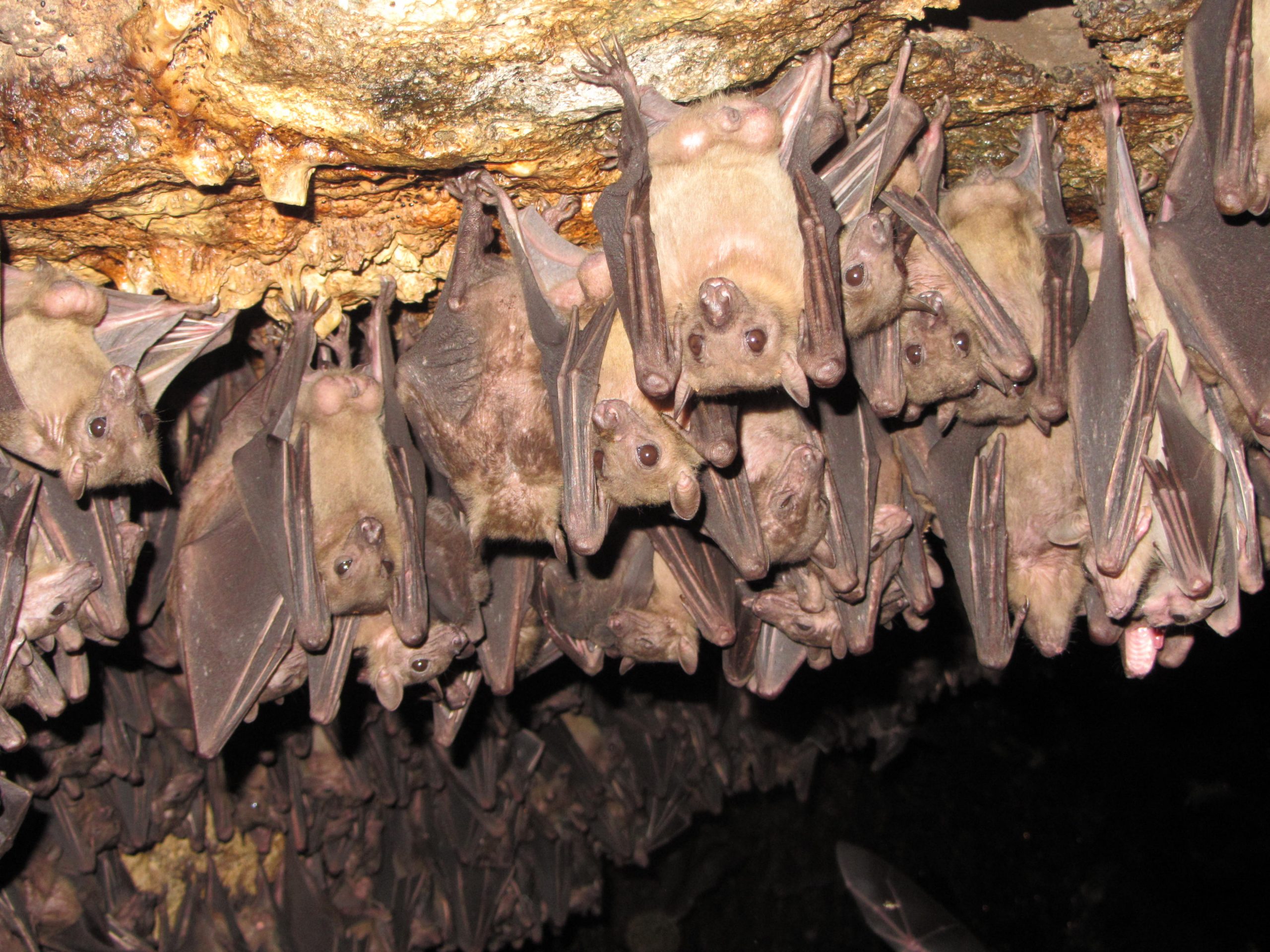
Fruit bats roosting in the Python cave in Queen Elizabeth, Uganda. Location where a tourist was infected with Marburg in 200817. Picture taken by Annick Uytterhaegen.
In 2022, an outbreak of the Sudan strain infected 164 people, with a mortality rate of 34%. Two individuals’ cases were studied during this outbreak. Both were likely infected by a healthcare worker who continued their duties while sick and untested. They later developed symptoms, reported to private clinics, where the disease was misdiagnosed as a common infection, and were treated with antibiotics. Believing their illness was addressed, they went on with their lives as normal, spreading Ebola to 51 other individuals before passing away. These cases show gaps where infections can go unnoticed. But the actions that followed illustrated the power of rapid action: 96% of the individuals exposed to the infected two were quickly isolated within approximately 3 days, resulting in only nine more subsequent infections. Once the systems were activated, Uganda was able to declare the outbreak over after only 69 days. Many facilities were set up in hospitals across the 9 districts with cases; these facilities worked with triage, isolation, and screening. Along with that, treatment and isolation units were put in place to allow for specialized treatment of those infected. Another key strategy was to provide mobile laboratories for easy testing. These mobile laboratories would also further allow for contact tracing, which is quite rigorous, involving questioning and identifying individuals to question or isolate with proper testing.

Close contact with a baboon indicates that humans and wild animals are coming in closer contact due to human activity. Picture taken by Annick Uytterhaegen.
A major reason the 2022 outbreak grew so quickly was the lack of a centralized system across all hospitals; you cannot track what you cannot see. The individuals studied by Komakech et al. had visited private clinics not connected to the centralized surveillance system. Private clinics were usually the first place those infected sought help; however, only 1 in 10 reported cases of Ebola, and they also did not have enough staff trained in detection and disease surveillance. Based on interviews conducted by Zalwango et al., people kept burying people regardless of the cause of death without knowing who to report to. This also highlighted large gaps in community-based surveillance before the 2022 outbreak, enabling critical downfalls. Only one-third of healthcare workers had received Ebola training in the year prior, likely reflecting low expectations of an outbreak. Due to the lack of education, most health workers believed that the first symptoms of Ebola would be bleeding from orifices, which has been determined as a late-stage symptom. This is not a failure of response teams but rather a failure to activate the system through quick diagnosis. The response team was deployed, and the outbreak was concluded in record time.
The most important factor for containment and rapid response is to close the gap between exposure and isolation as quickly as possible. Uganda has accounted for this; a permanent testing site in Entebbe, the Uganda Virus Research Institute (UVRI), has been in place for 90 years, where many samples are sent for testing. It is not specific to Ebola; it also tests for most viral hemorrhagic fevers. This facility allows for permanent surveillance and makes testing capabilities specialized. However, the challenge still lies in the fact that when there is low suspicion of Ebola, testing is often delayed until the patient is either very ill or even dead. Regardless, the more exposure to the disease, the more experienced clinicians become in handling this kind of disease, just like the response strategies. Due to the previous outbreaks, Uganda is more resilient and ready to respond. Ongoing improvements remain, particularly for sample tracing, but progress continues; in 2022, during the most recent large-scale outbreak, an electronic program was set up to track turnaround times for lab testing specifically for Ebola.
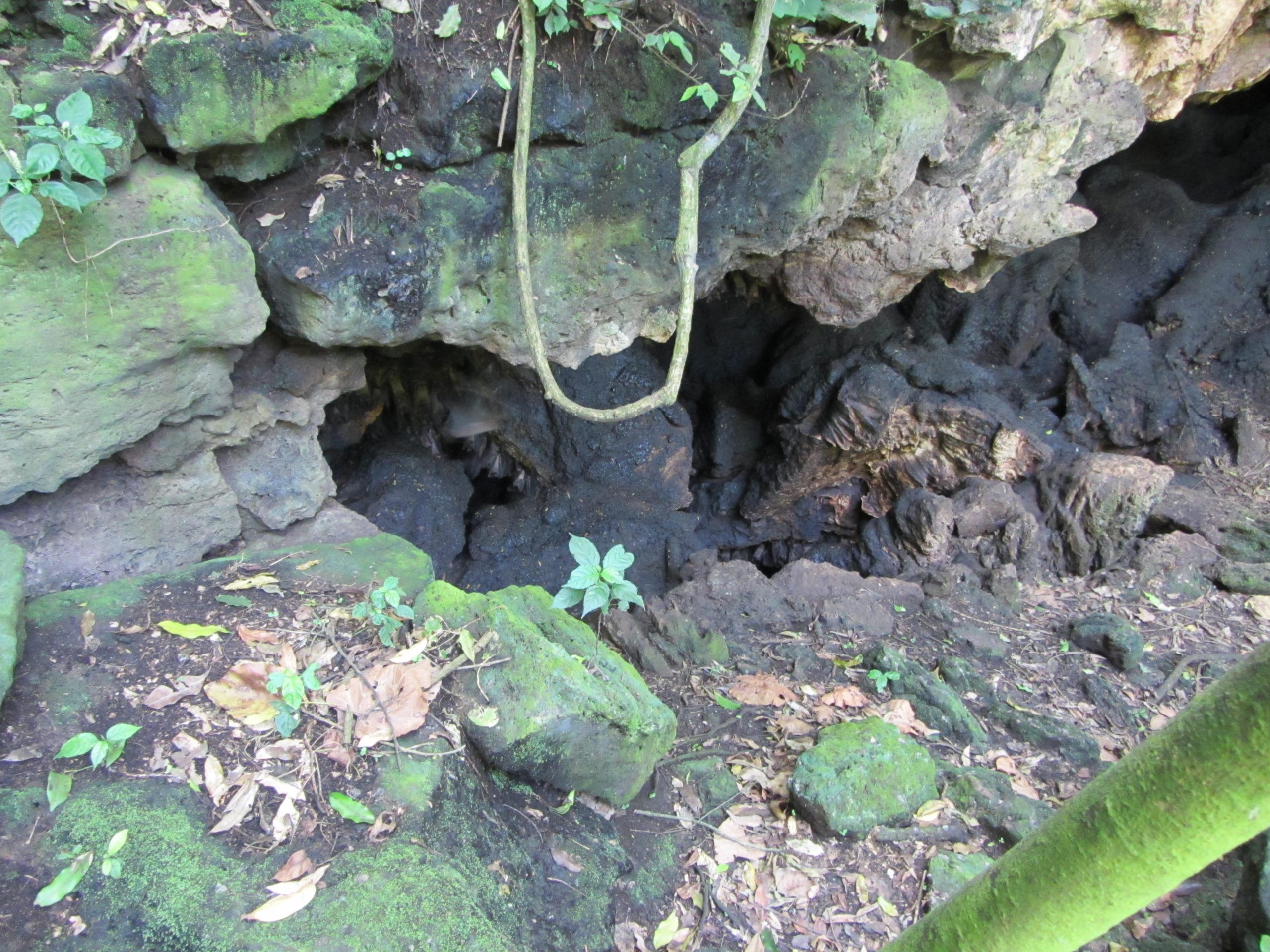
The Python Cave from the Outside in Queen Elizabeth Park, Uganda. Location where a tourist was infected with Marburg in 200817. Picture taken by Annick Uytterhaegen.
Once the response system was activated, it worked extremely efficiently. Uganda mobilized its National Task Force and Public Health Emergency Operations Center (PHEOC) within a day of the DRC’s official announcement of a new Ebola outbreak. This rapid mobilization signaled that the task forces from previous outbreaks had been maintained and prepared for anything. The key element to this efficiency was the integration of multiple ministries in response to the outbreak, including health, immigration, agriculture, wildlife, water, and more. The speed at which the response occurred was driven not by chance, but by accumulated experience and the presence of existing established systems.
Uganda’s experience also shows that the community plays a large role in both the containment and the spread. The spread is often encouraged by cultural practices that increase the risk of infection, such as praying over sick individuals, which involves close physical contact and touching. Another key way people in the community become infected is through burial rites; ensuring a safe and dignified burial is critical for community trust. Communities may help with containment once educated on what one can and cannot do. A large part of Uganda’s response over time has emphasized educating communities in a culturally sensitive way on Ebola and how to prevent its spread. These efforts include door-to-door and community-based education, translated printed documents, and symptom lists that urged those experiencing them to seek urgent care. Local volunteers have also been trained to educate others on what to do and what not to do when someone is at risk. Part of that education includes knowledge of contact tracing and how it helps prevent the spread, as well as safe burial practices. The government made some critical decisions, such as imposing a three-week curfew to prevent additional movement and spread. Another key to this is trust and good relationships with the officials at the district level; if there is any hint of dislike or mistrust between communities and government officials, it may contribute to a difficult environment for disease prevention.
Alternative approaches can be considered to address each outbreak; however, containment is the best current approach. As of 2025, there are no Sudan strain Ebola vaccines on the market, although a clinical efficiency trial was launched in February 2025. A vaccine for the Zaire strain of Ebola has been put out to market, and Uganda vaccinated approximately 4000 healthcare workers in 2019 with this vaccine. However, this raises the question of effectiveness, given that the most recent outbreaks have been caused by the Sudan strain. This approach may have simply served as a precaution for any other strain outbreak. Currently, for the Sudan and the Bundibugyo strains, containment is the priority since no vaccines are available. Treatment could also be an alternative approach, but would lead to the overburdening of the healthcare system, which in Uganda would be easily strained, particularly in rural areas. Not only that, but this does not prevent transmission, as it only benefits those who are already quite ill, enabling further delays between symptom onset and seeking healthcare, which risks disease spread. In areas where resources for treatment may be limited, rapid containment and effective response systems are therefore essential.
Uganda has consistently used experience and education to keep civilians safe. It was the first “country in the WHO-AFRO region to initiate and engage in a fully-fledged emergency preparedness and response program”, which puts into perspective the nationwide effort placed for these responses. This is also captured in Bisanzio et al.’s model of the 2022 outbreak. Their study illustrates a baseline model, a delayed response model, and an out-of-control model. The out-of-control model generated approximately 13,000 cases, and the delayed response model had 778 cases, while Uganda had a baseline of around 164 cases. This model perfectly represents what a rapid response can prevent, especially in a disease with such a high mortality rate. Containment like this will need to continue until the research for a vaccine is concluded and verified for everyone. Areas that require further development include integrating private facilities into the national surveillance system.
However, with all successes, there are limitations. A major roadblock that seems to be arising, though, is funding fatigue, due to the recurrence of these outbreaks and the global funding scenario. During the 2018-2019 outbreak, funding was inadequate for all high-risk districts. The 2022 outbreak saw cases in Kampala, the capital, and this was particularly worrying due to how much one infected individual can spread in the hustle and bustle of a large and booming capital city. A larger and more prevailing issue worldwide, however, is the continuing encroachment into wildlife, increasing human exposure to potential zoonotic diseases. This would need to be properly studied to determine how we can prevent disease spillover while still allowing human development to occur alongside thriving communities. Other particularly important areas of research would be to analyze how trust can become a health variable and how that can be measured to further support disease response efforts.
After weeks in the Swiss Hospital, the Chimp researcher in my biology instructor’s story was cleared of Ebola. Remarkably, she was the only one who got sick, despite close contact with her boyfriend, who stayed by her side without being isolated; a Dutch researcher who ate from her plate on the first day she felt unwell; and all her dinner guests. Her story captures how transmission requires certain conditions to be met, and when interrupted by chance or containment, it can save lives. Uganda has done just that, consistently interrupting transmission requirements through its rapid responses and disease containment. Virulence is a viral property, but outbreak severity is an effect of response.
References
- Duffy, K. Côte d’Ivoire, Close Encounter with Ebola. (2026).
- Formenty, P. et al. Human Infection Due to Ebola Virus, Subtype Côte d’Ivoire: Clinical and Biologic Presentation. J. Infect. Dis. 179, S48–S53 (1999).
- CDC. Outbreak History. Ebola https://www.cdc.gov/ebola/outbreaks/index.html (2026).
- Daniel, A. E. & Alawari, C. MEDIA COVERAGE OF EBOLA VIRUS DISEASE IN NIGERIA USING GUARDIAN AND PUNCH NEWSPAPERS. (2016).
- Aceng, J. R. et al. Uganda’s experience in Ebola virus disease outbreak preparedness, 2018–2019. Glob. Health 16, 24 (2020).
- Aceng, J. R. et al. Continental concerted efforts to control the seventh outbreak of Ebola Virus disease in Uganda: The first 90 days of the response. J. Public Health Afr. 14, 2735 (2023).
- Park, S.-J. et al. ‘Ebola is a business’: an analysis of the atmosphere of mistrust in the tenth Ebola epidemic in the DRC. Crit. Public Health 33, 297–307 (2023).
- Balinandi, S. et al. Molecular characterization of Ebola virus, immune response, and therapeutic challenges: a narrative review. Egypt. J. Med. Hum. Genet. 25, 1–16 (2024).
- CDC. About Viral Hemorrhagic Fevers. Viral Hemorrhagic Fevers (VHFs) https://www.cdc.gov/viral-hemorrhagic-fevers/about/index.html (2026).
- Komakech, A. et al. Sudan virus disease super-spreading, Uganda, 2022. BMC Infect. Dis. 24, 520 (2024).
- CDC. Signs and Symptoms of Ebola Disease. Ebola https://www.cdc.gov/ebola/signs-symptoms/index.html (2024).
- Silver, C. B., Leon, E. L., Zaino, S. A. & Mandel, E. D. Ebola: Lessons from the Latest Pandemic. Clin. Rev. 25, 34–40 (2015).
- Public Health Professional. Interview with a Public Health Professional about Ebola. (2026).
- Komuhendo, M. & Otchere, F. A. Ebola in Uganda: Analyzing the Ministry of Health’s Response to the 2022 Outbreak on “X” (Formerly Twitter) Through a Cultural-Sensitivity Approach. Health Commun. 1–13 (2025) doi:10.1080/10410236.2025.2588894.
- Majani, E., Muhigi, S., Joan Mundua & Ally, A. Resurgence of Ebola in Uganda: Response Strategies, Lessons Learned, and Future Directions. Health Sci. Rep. 8, e70967 (2025).
- Case of Marburg Haemorrhagic Fever imported into the Netherlands from Uganda. https://www.who.int/emergencies/disease-outbreak-news/item/2008_07_10-en.
- Uganda conquers Ebola in 69 days | WHO | Regional Office for Africa. https://www.afro.who.int/countries/uganda/news/uganda-conquers-ebola-69-days (2025).
- Zalwango, J. F. et al. Understanding the delay in identifying Sudan Virus Disease: gaps in integrated disease surveillance and response and community-based surveillance to detect viral hemorrhagic fever outbreaks in Uganda, September 2022. BMC Infect. Dis. 24, 1–9 (2024).
- Director’s Message | Uganda Virus Research Institute. https://uvri.go.ug/directors-message.
- eBioMedicine. Ebola outbreak in Uganda: urgent call for better prevention and surveillance. eBioMedicine 85, (2022).
- Groundbreaking Ebola vaccination trial launches today in Uganda. https://www.who.int/news/item/03-02-2025-groundbreaking-ebola-vaccination-trial-launches-today-in-uganda.
- Bisanzio, D. et al. Modeling Case Burden and Duration of Sudan Ebola Virus Disease Outbreak in Uganda, 2022. Emerg. Infect. Dis. 31, 1829–1832 (2025).