


Amanda Ryman
Amanda Ryman is a Bachelor of Arts in Psychology student at Capilano University, with a focus on cognitive and developmental psychology. Alongside her studies, she is a studio manager and competition director at a dance studio in Vancouver, where she oversees training, choreography, and competitive programming. With over a decade of dance experience, Amanda is particularly focused on the intersection of performance training and psychological development. Her work explores how structured movement environments, such as dance training, may influence cognitive processes including memory, attention, self-regulation, and motivation. She plans to pursue graduate studies in sport and performance psychology, with the goal of supporting dancers through theory-informed psychological practices.
There are two children sitting side by side on the playground, both attempting to learn how to swing. A teacher explains the same instructions to both children: lean back, extend the legs, and move with rhythm. One child begins to swing immediately, coordinating their body with the movement. The other child struggles, unable to translate the instructions into movement, causing a disconnection between their body and the task at hand. The difference between these children isn’t intelligence, effort, or willingness to learn something new, but it makes us question whether it’s experience, specifically experience on how to use one’s body. This difference may not reflect ability but rather unequal exposure to movement-based experiences that are not equally accessible to all children.
For many children, that kind of experience can be developed through dance. While dance is often viewed as an extracurricular activity or an art form, it is also a highly structured training environment that requires the use of memory, attention, coordination, feedback processing, and repetition. In the average dance class, students are required to memorize a dance sequence, respond to corrections, control their focus, and synchronize their movements with music. For many children, this happens long before they can fully understand or verbalize these processes.
Despite this, the conversation around childhood development continues to prioritize academic learning, while movement-based activities remain secondary or additional. This has raised the question: “What is truly being trained within a structured dance environment?” Is it merely technical skill, or are our cognitive and developmental capacities being trained and strengthened as well?
Drawing on interviews with a cognitive psychologist, a developmental psychologist, and an early childhood specialist and dance educator, alongside additional research on embodied cognition, self-efficacy, and executive functioning, this article aims to explore dance as more than performance. Dance training amplifies and organizes existing capacities through embodied practice, enhancing one’s body awareness, memory, and self-regulation during key developmental periods, which can be carried into adulthood.
At the same time, this perspective introduces a larger concern. If dance can function as a beneficial environment for cognitive and developmental growth, how can we find a way to broaden its reach beyond those who have access to private dance training? This article will not only examine the extent of what dance trains in the body but also consider how these skills can be made more accessible beyond a traditional studio, regardless of economic background or age.
It’s important to begin by examining these patterns in real-world environments. Jenna Escobido, an early childhood educator and dance instructor with nearly a decade of experience across both preschool classrooms and within a dance studio environment, offers insight into how these differences appear in real-world environments. Having worked with both dancers and non-dancers, she provides a perspective on how structured movement training may impact behavior, learning, body awareness, and feedback processing.
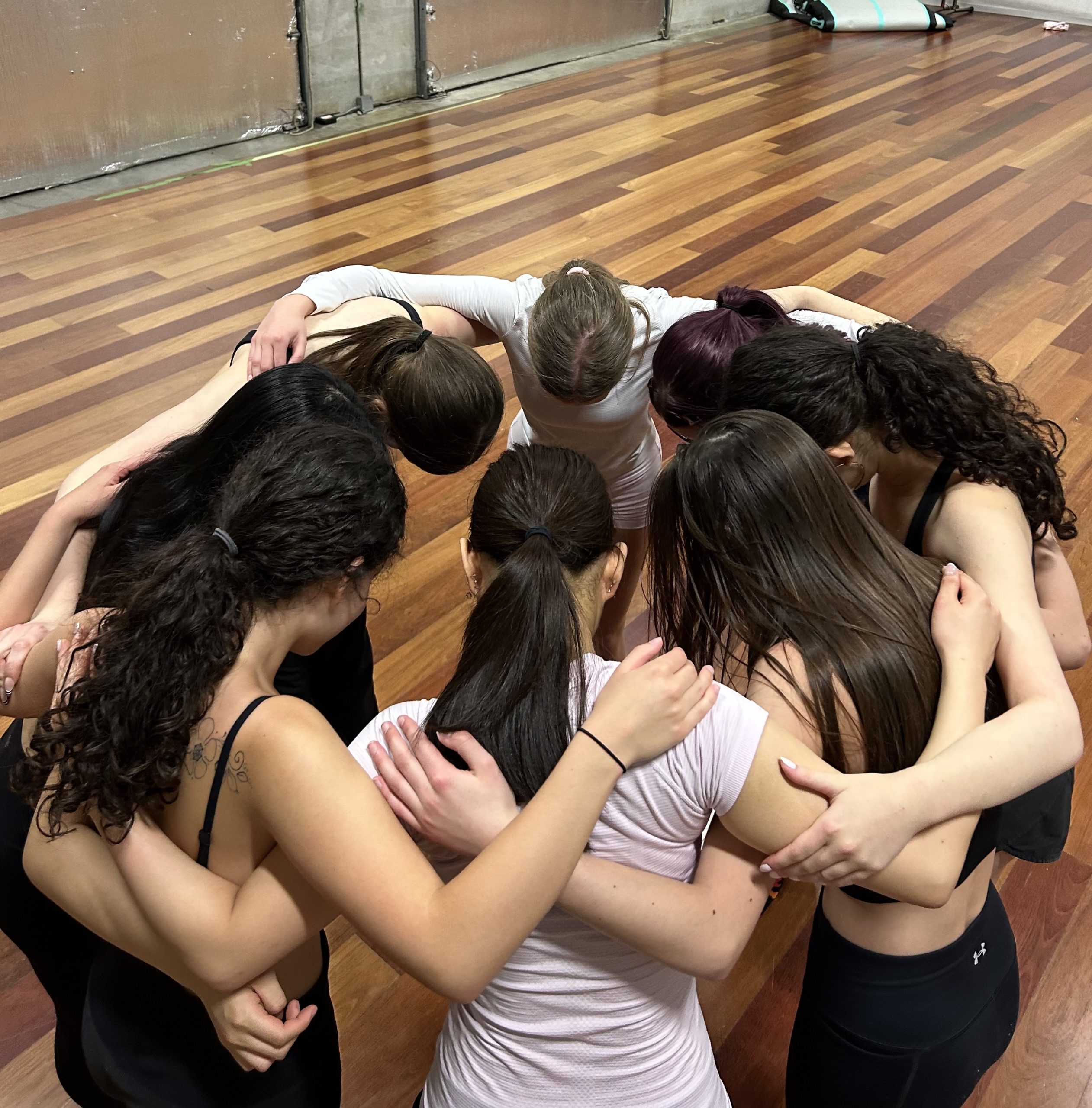
Dancers gathered in a circle during rehearsal, demonstrating the collaborative and socially structured environment of dance training, where connection, shared vision, focus, and group awareness develop alongside physical technique.
One of the most consistent differences she observes is in body awareness and motor control. Escobido explains, “On the physical awareness of the body, definitely dancers have a lot more control of little finer movements and how to move their muscles in specific ways” (Escobido, Jenna, personal communication, February 26, 2026). In a dance environment, students aren’t just learning how to move their bodies but also how to isolate, coordinate, and refine specific parts of their bodies. Having this level of body awareness requires constant attention to the positioning, timing, alignment, and angles of one’s body, as “in dance, you have to be very conscious of what everything is doing, including the angle that you are doing it”.
This level of body awareness also appears to be utilized beyond the dance studio. Escobido describes an experience learning how to surf alongside friends who were both dancers and non-dancers. She observed that those with previous dance training were able to apply the instruction more efficiently. When given instructions such as engaging the core or adjusting specific body positions, the dancers were able to quickly translate that verbal instruction into physical movement. On the other hand, those without previous dance training struggled to interpret how to activate and isolate those specific body parts. While this does not suggest that dance is the only pathway into developing those skills, it brings light to the fact that repeated exposure to movement-based instruction may strengthen an individual’s ability to transfer verbal instruction into physical movement, a skill that is transferable across different contexts.
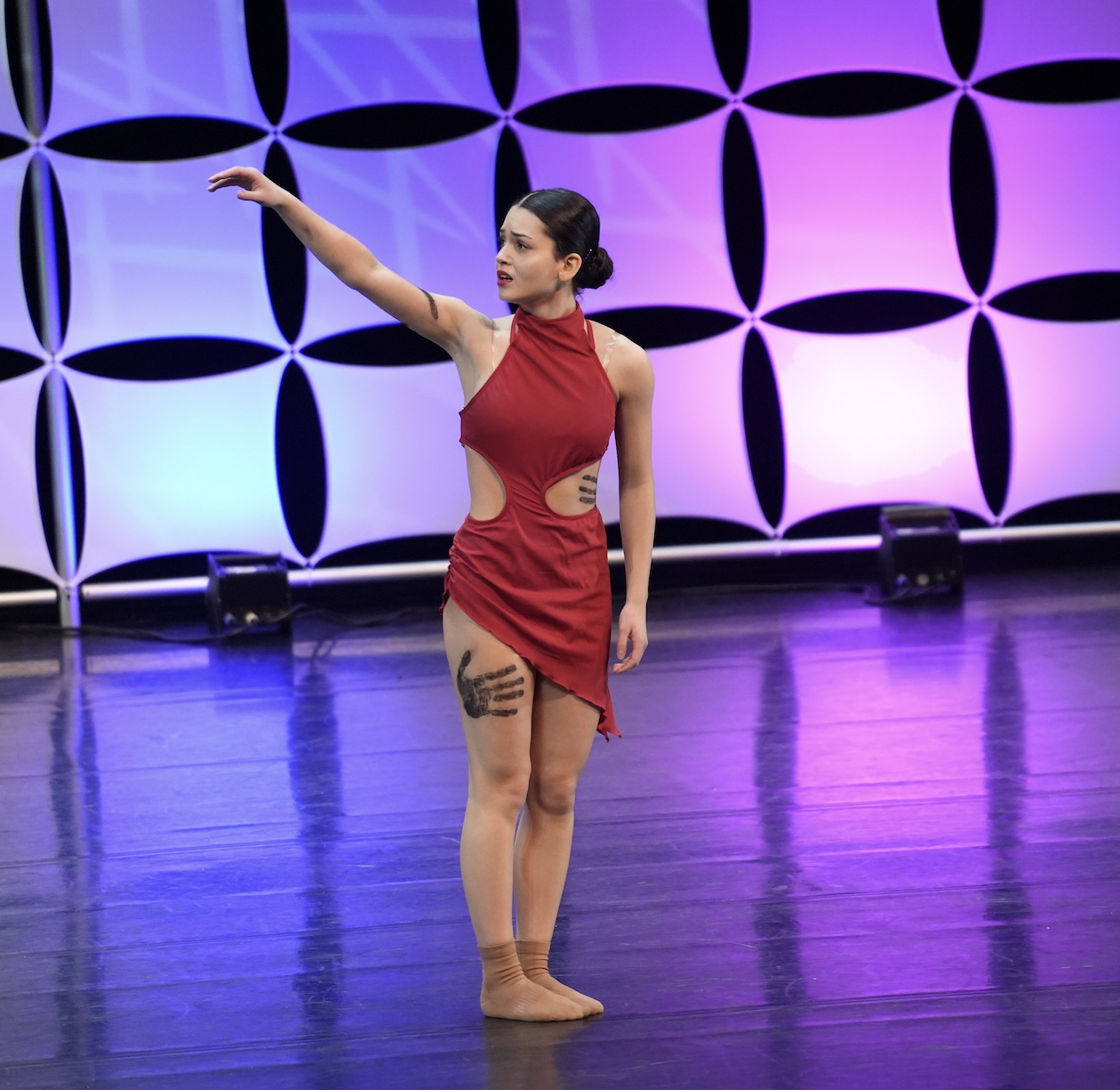
A dancer performing a solo choreography, demonstrating body awareness and the ability to translate instruction into controlled and intentional movement, skills developed through repeated exposure to structured training.
Escobido also observed how children respond to instruction and correction. Escobido says that “there’s less defiance within dance… they’re able to take corrections very easily” (Escobido, Jenna, personal communication, February 26, 2026). In structured dance environments, corrections are highly normalized as being part of the learning process. Students are expected to take corrections to refine and adjust movements, which often happens multiple times within a single class. Over time, this may shape how children receive feedback, learning that feedback isn’t criticism, but a necessary step to improving skills. This raises the question of how these patterns align with cognitive theories of learning and embodied cognition.
Dr. Mark McPhedran is a cognitive psychologist and professor at Capilano University with expertise in memory and learning processes. He explains that learning movement in dance primarily engages procedural memory, which is a form of implicit memory that is responsible for skill acquisition and motor learning. Unlike declarative memory, which involves the process of recalling facts or verbal information, procedural memory allows individuals to perform specific actions automatically through repeated practice. Dr. McPhedran notes that “the system of memory that would be affected largely would be the implicit memory system… procedural memory… so it’s a form of motor learning” (McPhedran, Mark, personal communication, March 4, 2026). While early stages of learning may involve conscious effort and working memory to sequence movements, these actions will gradually become automatized, reducing cognitive load and allowing dancers to execute complex sequences without extensive thought (McPhedran, Mark, personal communication, March 4, 2026). This highlights how dance training engages and may strengthen different memory systems than traditional academic learning, emphasizing embodied repetition rather than verbal recall.
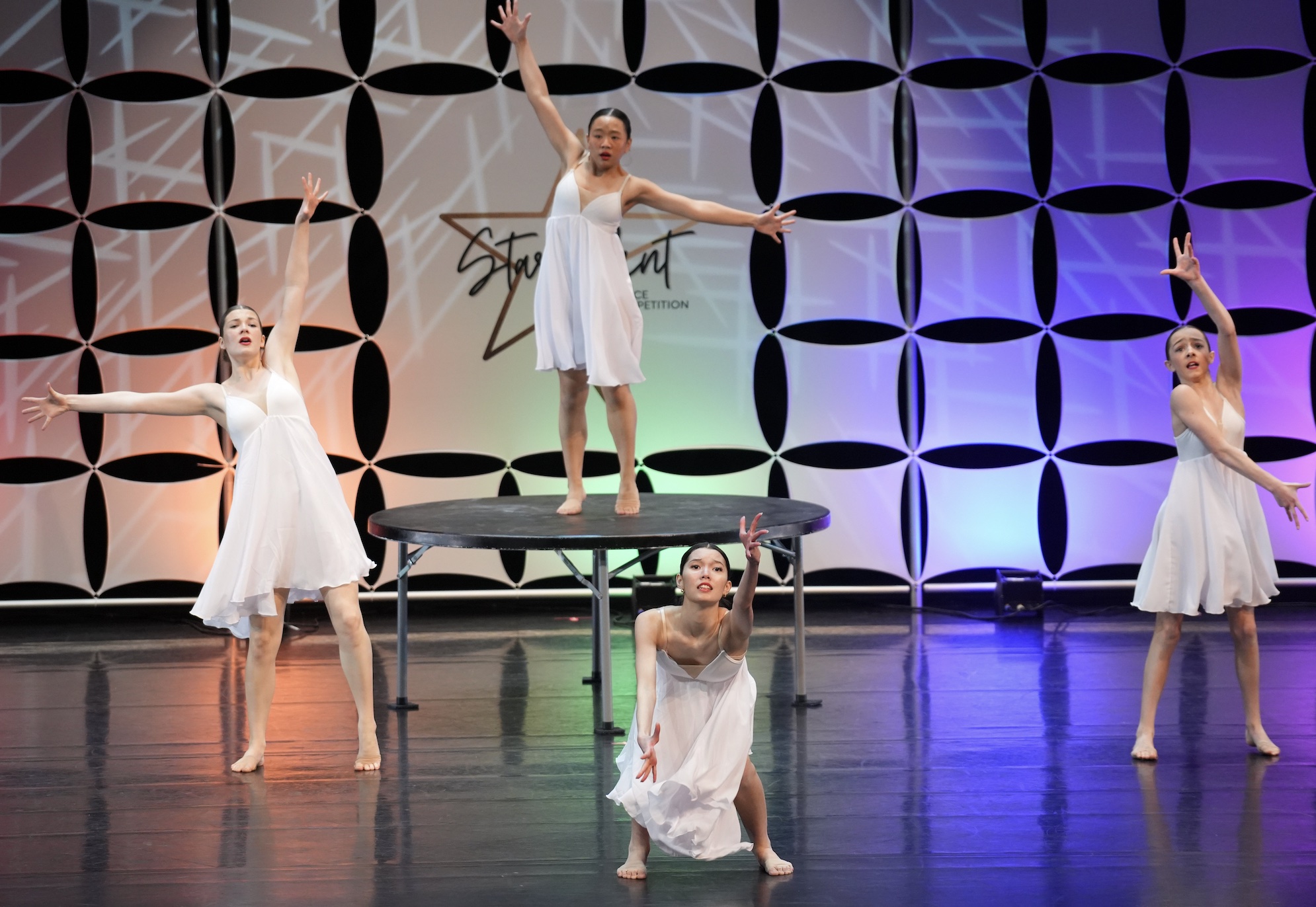
A group choreography in which dancers demonstrate synchronization and spatial awareness, highlighting the cognitive demands of dance as dancers must coordinate timing, positioning, angles, and movement sequences simultaneously.
Dr. McPhedran further elaborated on the idea that repeated movement-based training may influence brain structure through neuroplasticity, which is the brain’s ability to reorganize and adapt based on experiences. Comparing dance training to musical training, he explains that consistent engagement in specific physical tasks can alter neural pathways and change the brain’s structure over time (McPhedran, Mark, personal communication, April 1, 2026). He also emphasized that these effects are more pronounced when training begins during early developmental years, as the brain is more malleable during this period. For those wanting to begin dance training in adulthood, Dr. McPhedran mentions that while changes are still possible later in life, they tend to be less dramatic, reflecting the reduced flexibility of the brain in adulthood. This reinforces the idea that dance is not only a physical activity, but it’s a form of cognitive training, where repeated embodied experiences can shape how the brain processes and executes information over time.
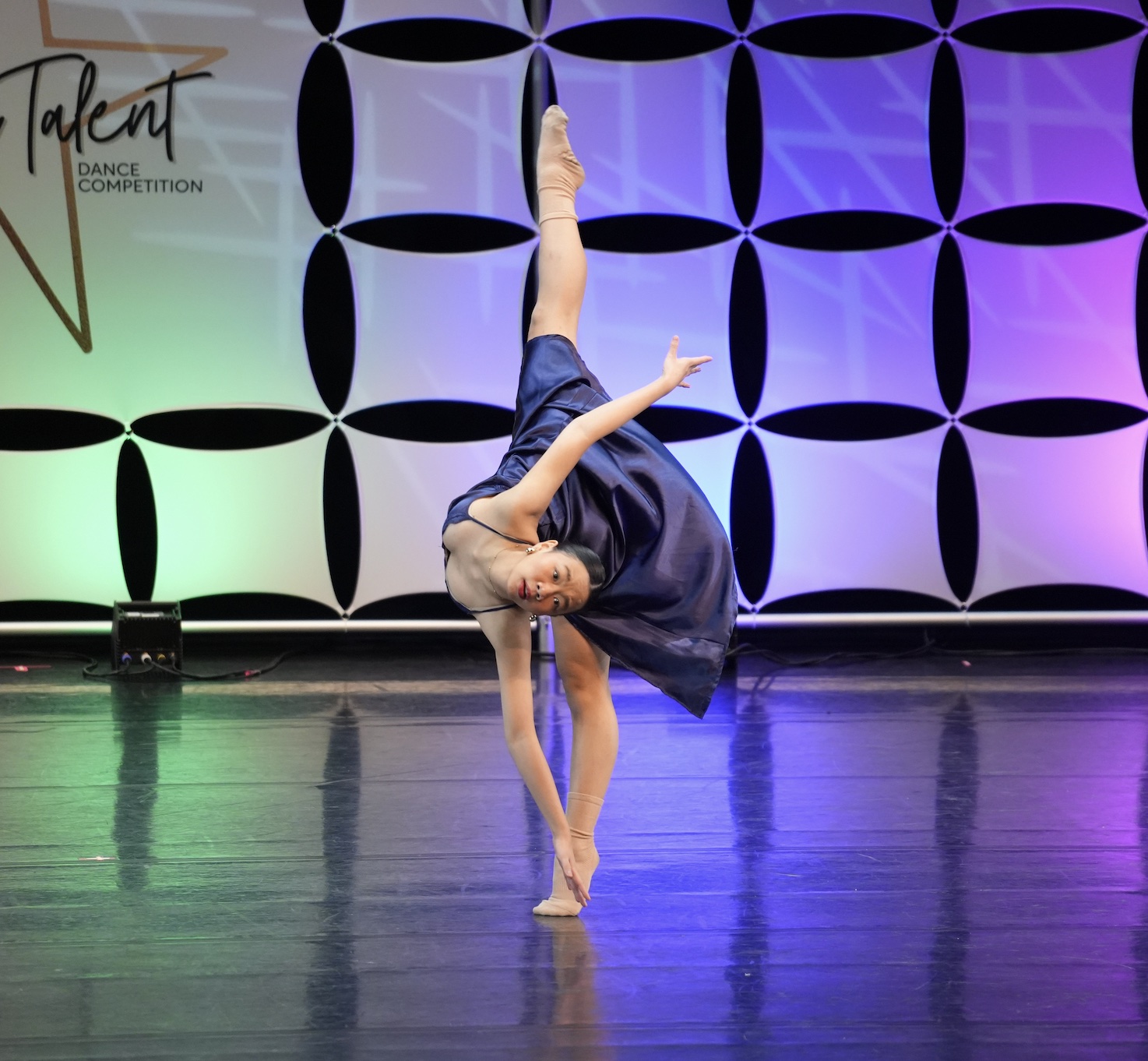
A dancer performing an advanced technical movement that requires strength, flexibility, and control, demonstrating the long-term neurological and physical adaptations that develop through consistent embodied practice.
Elaborating on these cognitive mechanisms, research in embodied cognition helps us understand why movement-based learning may engage the brain differently than passive instruction. Margaret Wilson (2002) argues, “cognitive processes are deeply rooted in the body’s interactions with the world”. This view is further supported by research that suggests that physical activity can stimulate brain function and strengthen cognitive processes such as attention and learning (Ratey, 2008). Instead of viewing learning as purely a mental process, this perspective suggests that cognitive development is shaped through having physical interactions with one’s environment. In the context of dance, repeated engagement with movement, timing, body awareness, and spatial awareness may strengthen not only motor skills but also the deeper cognitive processes that support them. This aligns with Dr. McPhedran’s explanation of procedural memory and neuroplasticity, reinforcing the idea that embodied experiences can influence how information is encoded and processed.
These environments may also have an impact on executive functioning skills, which are a set of cognitive processes that include working memory, attention, and inhibitory control. Research in executive functioning from Emre C. Yavuz et al. (2026) found that “working memory and inhibitory control explain 41% of the total variance of social skills scores,” demonstrating the strong relationship between cognitive regulation and social development. Within a structured environment such as dance, where dancers must remember sequences, respond to feedback, regulate their attention, and translate instruction into movement, these executive processes are constantly being utilized. While dance itself may not directly produce broader developmental outcomes, it may provide an environment where these underlying cognitive skills are being practiced and strengthened. This suggests that the benefit of dance training may extend beyond performance and contribute indirectly to social and behavioural development through the use of these repeated executive functioning skills.
From a developmental perspective, Dr. Rachel Baitz, a psychologist and professor with expertise in child and lifespan development, emphasizes the importance of having a structured environment in shaping cognitive and emotional growth. She explains that children benefit from environments where expectations are clearly defined, as these settings provide a framework for understanding how to meet goals and regulate behaviour (Baitz, Rachel, personal communication, March 12, 2026). Within an activity such as dance, this environment has repeated opportunities for challenge, feedback, improvement, and growth, creating conditions in which children can experience mastery over time. As Dr. Baitz described, the process of “trying, failing, and then succeeding” allows children to connect effort with accomplishment, fostering a sense of control, identity, and personal capability, which are all associated with the development of confidence (Baitz, Rachel, personal communication, March 12, 2026).
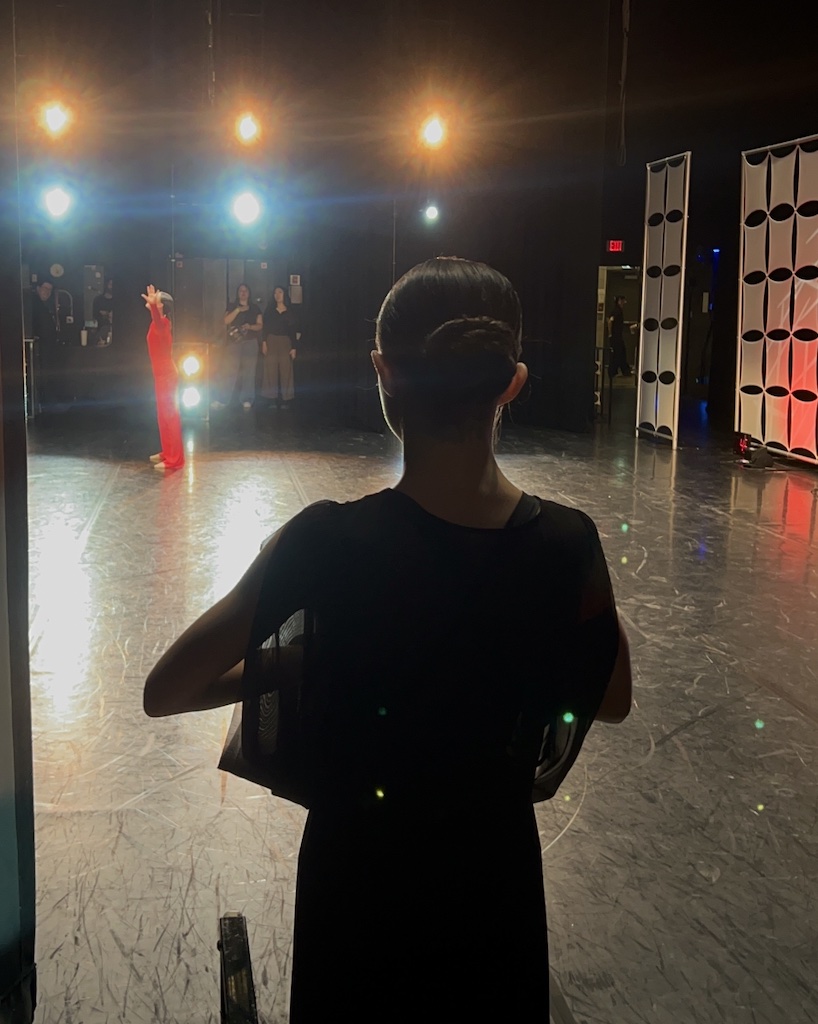
A dancer waiting backstage before performing, capturing a moment of anticipation and focus that reflects the internal cognitive and emotional processes involved in performance, including attention and self-regulation.
This idea of development closely aligns with Albert Bandura’s theory of self-efficacy, which describes the role of mastery experiences in shaping an individual’s belief in their own abilities. Bandura (1977) explains that “expectations of personal efficacy are based on four major sources of information: performance accomplishments…” Within structured performance environments such as dance, repeated mastery experiences like learning choreography and improving movement through feedback may provide a consistent source for these performance accomplishments, strengthening a child’s beliefs in their own capabilities over time. In a structured environment such as dance, where children are constantly repeating movement skills, receiving feedback, placed in environments of performing, and gradually improving, these mastery experiences may systematically reinforce self-efficacy. Rather than suggesting that dance directly creates confidence, this view suggests how being in an environment with consistent exposure to challenges and achievements can strengthen one’s belief in their own capabilities, ultimately supporting one’s motivation and persistence over time, which can impact broader developmental outcomes such as confidence levels.
While dance may offer cognitive and developmental benefits, access to these types of environments is not equally distributed. Participation in structured activities such as dance often requires financial resources, transportation, and time, making it more accessible to families who have greater socioeconomic privilege. Taking from Annette Lareau’s (2011) concept of “concerted cultivation” in which “middle-class parents engage in a process of concerted cultivation. From this, a robust sense of entitlement takes root in the children.” This idea suggests that children from higher-income families are more likely to be enrolled in structured skill-building activities, while others may have fewer accessible opportunities in these types of environments.
However, observations from dance education suggest that these benefits are not inherently limited to privilege but rather to accessibility. Jenna Escobido, the childhood educator and dance instructor who works both within private studios and non-profit programs, observed that children from low-income backgrounds who are given access to dance training through scholarships demonstrate similar levels of engagement and growth as their peers (Escobido, Jenna, personal communication, February 26, 2026). This raises a crucial question: if structured movement environments can support cognitive, social, and emotional development, why is it not more widely accessible within the public education system?
Expanding access to dance may also provide benefits beyond childhood. Experiences from adult dancers further suggest that the benefits of movement-based environments are not limited to early developmental years. Individuals who began dance later in life often report increased body awareness, confidence, mastery, and a sense of belonging within a community. For example, “The “House” wives of Hip Hop” is an adult competitive group in Vancouver, BC, which provides adults the opportunity to enter the world of dance in later years. It provides spaces for individuals to engage in performance, build social connections, experience mastery, and develop an identity through movement. Similarly, one dancer who began training at the age of 19 described having “zero body awareness” and poor posture before dance, mentioning significant changes in both physical awareness and self-perception after engaging in positive structured training (Cosacescu, Bella, personal communication, March 31, 2026). These experiences suggest that while early exposure may enhance the impact on development, the benefits of dance remain accessible across different developmental stages when opportunities are available.
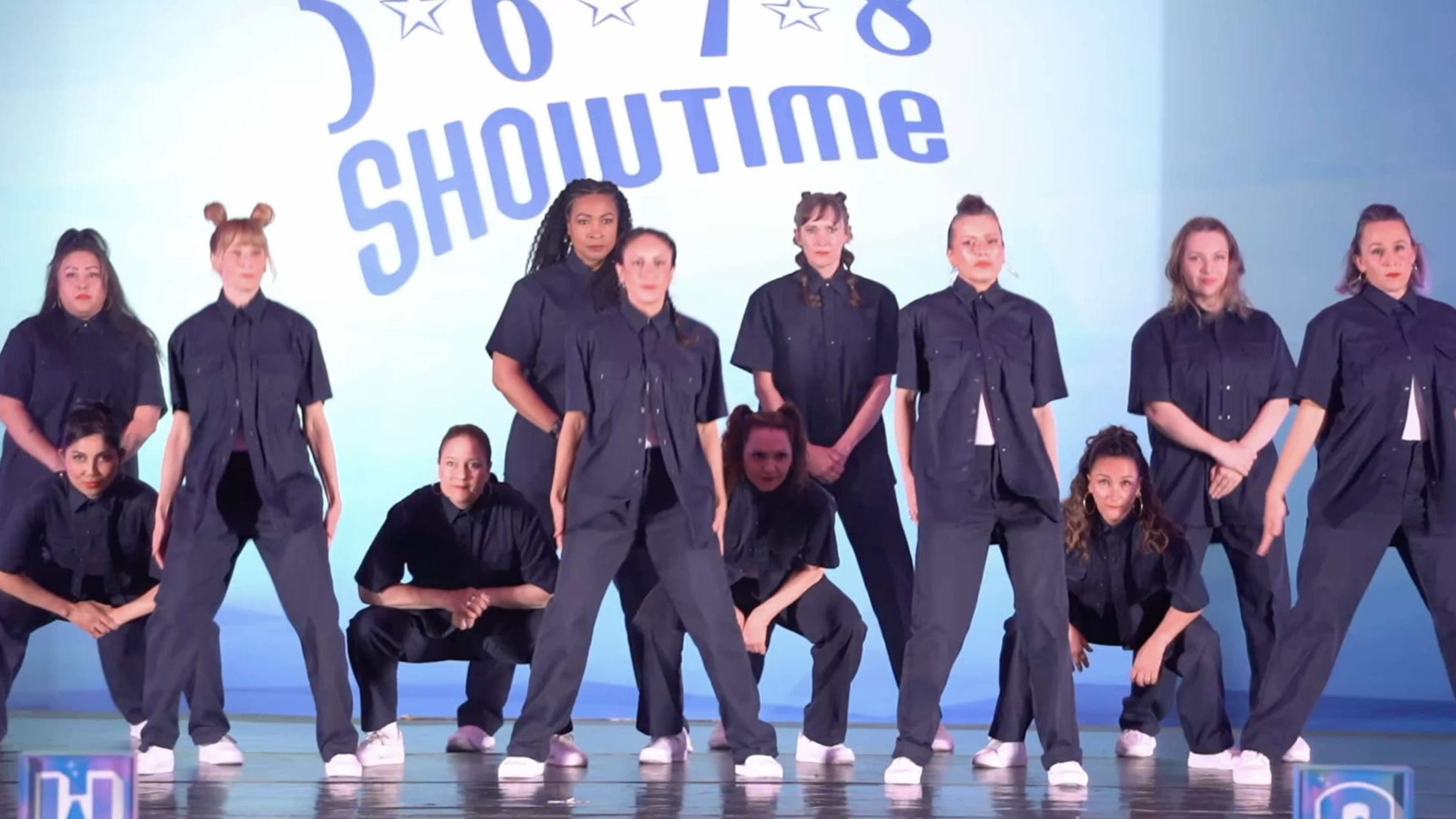
An adult dance group, The “House”wives of Hip Hop, performing on stage, demonstrating how structured movement environments can foster confidence, identity, and community beyond childhood, reinforcing the accessibility of dance across the lifespan.
Bringing everything together, these perspectives highlight a central issue: the developmental value of dance may be widely applicable, yet access to these environments remains uneven. Addressing this gap requires us to shift our perspective on how movement-based learning is viewed within both an educational and community setting. One approach may involve integrating dance more consistently into the school curriculum, rather than limiting it to a short unit within a physical education program. Expanding opportunities through subsidized or open enrollment classes within private dance studios could also assist in reducing financial barriers, in order to ensure individuals of all ages and backgrounds have access to structured training environments. Additionally, increasing the availability of beginner adult programs can create accessibility to individuals who choose to enter the dance world later in life, ensuring that these benefits are not limited to early childhood. Rather than viewing dance as an optional extracurricular activity, these findings in research suggest that it may serve as a meaningful activity that supports cognitive and social development, one that warrants the need for broader accessibility.
Starting with a simple observation that some children seem to move with increased body awareness, quicker instruction processing, and self-efficacy, ultimately reveals the complexities of the interaction between body and mind. Across cognitive, developmental, and real-world perspectives, a consistent pattern is shown: the benefits observed in dance are not merely due to the activity itself, but to the structured, embodied experiences it provides. Through procedural memory, embodied learning, and repeated mastery experiences, structured movement provides training opportunities for children to develop skills such as coordination, self-regulation, confidence, and a sense of community. At the same time, these benefits associated with structured dance training remain more readily available to those who have access to such environments. As a result, after understanding the benefits dance can have on development, we must shift now into how these opportunities can be made more widely available. Reframing dance as a meaningful component to cognitive and developmental growth, rather than viewing it merely as an extracurricular activity, may open the door to more inclusive approaches to learning, where the body and mind are not separated but viewed as both being crucial necessities to how one develops.
References
Bandura, A. (1977). Self-Efficacy: Toward a unifying theory of behavioural change. Psychological Review, 84(2), 191-215. https://educationalinnovation.sydney.edu.au/news/pdfs/Bandura%201977.pdf
Lareau, A. (2011). Unequal childhoods: Class, race, and family life (2nd ed.). University of California Press. https://ebookcentral-proquest-com.ezproxy.capilanou.ca/lib/capilano-ebooks/reader.action?docID=740304&c=RVBVQg&ppg=1
Ratey, J. J. (2008). Spark: The revolutionary new science of exercise and the brain. Little, Brown and Company. https://research-ebsco-com.ezproxy.capilanou.ca/c/upvpl6/viewer/pdf/jdyksbhc2j
Wilson, M. (2002). Six views of embodied cognition. Psychonomic Bulletin & Review, 9(4), 625-636. https://link-springer-com.ezproxy.capilanou.ca/content/pdf/10.3758/BF03196322?pdf=openurl
Yavuz, E. C., Guney, M., & Tastepe, T. (2026). Executive function skills as predictors of social skills in socially disadvantaged children. Education and Science, 51(225), 19-32. https://educationandscience.ted.org.tr/article/view/2579/3417