


Maya Pollon
Maya Pollon (she/her) is a student at Capilano University, studying on traditional, unceded territories of the Squamish, Tsleil-Waututh, and Musqueam First Nations. Maya is completing her Bachelor of Arts with a Major in Psychology, where she has been placed on the Dean’s List for academic excellence. Over the course of her degree, she has enjoyed learning about human development and behaviour. Throughout her studies she has worked with Chapter One, a non-profit organization working with Indigenous students across Canada to develop their literacy skills. In the future, Maya hopes to pursue a career with the VPD.
Introduction: More Than Just “The Oldest” or “The Baby”
Have you ever been told, “You act like such an older sibling,” or “That’s such youngest child behavior”? These phrases are commonly used in conversations with family members and peers, but they point to something deeper, the idea that where we fall in our family’s birth order might shape who we become. While it’s easy to dismiss these claims as stereotypes, decades of psychological research suggest that birth order does, in fact, influence personality and certain traits. Parental behavior, access to resources, cultural contexts, and the roles children adopt within the family system are all variables affecting the behaviour of siblings within a certain order. As a result, birth order and the differences between siblings are not simply subjective, they are supported by research across cultures and disciplines. Birth order is the invisible framework upon which many of our traits such as responsibility and risk taking are built. Understanding birth order and what its effects entail will help us make sense of family dynamics, recognize inequalities within households, and understand how parenting practices influence child development. Interpreting birth orders allows us to better understand ourselves, not just as individuals, but as products of the roles we were born into.

My siblings and I grew up in the same household, under similar circumstances and raised by the same parents, yet we all formed different personalities.
A Personal Starting Point
Growing up, I never thought much about birth order as a psychological concept, but I definitely felt its effects. As the older sibling, I was expected to set an example, help out, and take on responsibility in ways my younger siblings did not. When something went wrong, I was often the one held accountable. Meanwhile, my younger sibling seemed to have more freedom, and less expectations. For a while, these differences felt unfair and often confusing, leading to petty arguments, and resentment towards one another. Over time, these differences in personality and expectations became normalized and a part of who we are and how we operate. Our personalities started to take shape, and we began to fit into a particular role in the family. I had always been told I seemed like the eldest or gave off the eldest child energy and for the longest time I wasn’t really sure what that meant. Was it because I lacked the laid-back nature of my younger siblings or that I always felt responsible for those around me? Despite being raised in the same household and by the same people, I wanted to understand why there were these differences between my siblings and I. From what I would come to understand, these differences are not unique to my family. In fact, research shows that siblings often grow into distinct roles within the same household, shaped by both parental expectations and their need to differentiate themselves from one another (Eckstein & Kaufman, 2012).
The Origins of Birth Order Theory
Numerous psychological theories explain the foundations of personality development. In 1874, Francis Galton, the youngest of nine siblings, observed that firstborns were overrepresented among prominent scientists, suggesting that parental attention and privilege might contribute to intellectual success (Rohrera et al., 2015). Another expert in the field is Alfred Adler. A physician turned psychotherapist who founded Individual Psychology (Marano 2017). Adler, the second of six children, extended the psychology of birth order to personality traits (Rohrera et al., 2015). According to Ansbacher & Ansbacher (1956), Adler proposed that a person’s position in their family shapes their specific character traits (Marano 2017). From Adler’s perspective, first-borns were privileged but also burdened by feelings of pressure, extreme responsibility, and a fear of dethronement. Because of this, Adler believed they were prone to score high on neuroticism. In contrast, he predicted later-borns, spoiled by their parents, lack social empathy (Rohrera et al., 2015) and develop different strategies to gain attention and develop identity (Eckstein and Kaufman 2012). In addition, Adler proposed de-identification, a process where siblings may exert themselves to become different from one another. Because birth order is a universal experience, Adler’s predictions have sparked extensive research into their accuracy.
Modern research complicates these early theories. Measuring birth order is not as straightforward as it might seem. For example, there are the issues concerning the role of stepsiblings, half siblings, adopted siblings, divorced parents and spacing between siblings’ birth which all complicate measurements (Dunkel et al., 2009). While some studies have found strong associations between birth order and personality traits, others suggest that the effects are smaller or depend heavily on context (Dunkel et al., 2009). Another issue affecting the variation of measurements across studies is variables such as parental age and level of education. Both of which are related to birth order and affect maternal behaviour (Dunkel et al., 2009). These mixed results highlight an important point that birth order is not predictable, but it is influential when combined with family dynamics, parenting styles, access to resources, and cultural context.
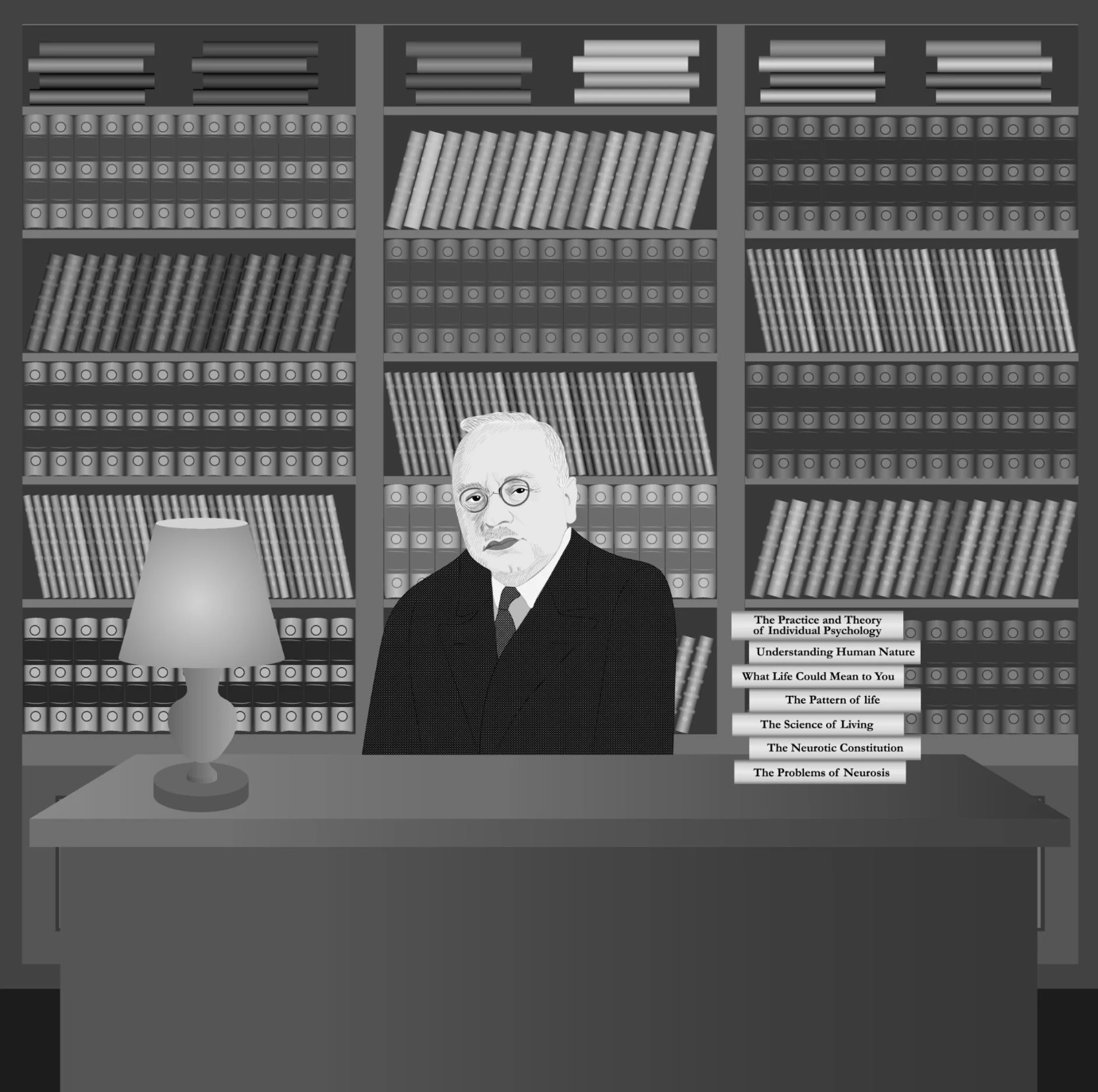
Alfred Adler was a pioneering psychotherapist who developed the birth order theory in the early 1900s. Proposing that the order in which children are born into a family significantly influences their personality and life outcomes.
Parental Behavior: The Root of Personality Differences
One of the strongest explanations for birth order effects lies in the differences in parental behavior. Even when raised by the same parents, children in the same family do not experience the same parenting. This uneven parenting is not intentional. Instead, it reflects changing circumstances, parents’ age, resources, and experience. Because of these varying factors, it’s clear that siblings grow up in different psychological environments, which shape their personalities in distinct ways. For example, the resource dilution theory (Blake, 1981), refers to the fact that all parental resources and inputs such as money, time or cultural activities are limited (Hiriscau and Pintea 2024), which can play a significant role in how children development and what traits they carry with them.
In addition, there is a connection between birth order and intelligence. The widely cited theory by Zajonc, Markus and Sulloway is the confluence hypothesis. Which was developed to explain the relationship between birth order and intelligence (Hiriscau & Pintea 2024). The authors argue that a child’s intellectual abilities are influenced by family members’ average intelligence referred to as the child’s intellectual environment (Hiriscau & Pintea 2024). First-born children often experience the highest intellectual development. This is due to receiving undivided parental resources, such as time and educational engagement, which can be reduced by the arrival of siblings. While later-born children may receive less individual parental attention, the sibling relationship often functions as a reciprocal learning environment. Older siblings refine their leadership and teaching skills, while younger ones benefit from peer-led cognitive and social development (Hiriscau & Pintea, 2024). We can see the contrast between first born and later born treatment in Price’s (2008) analysis of data from the “American Time Survey”. Price (2008) found that the parental time distribution to each child varied, where a first-born child received 20-30 minutes more parental time each day than a second born child (Hiriscau and Pintea 2024).
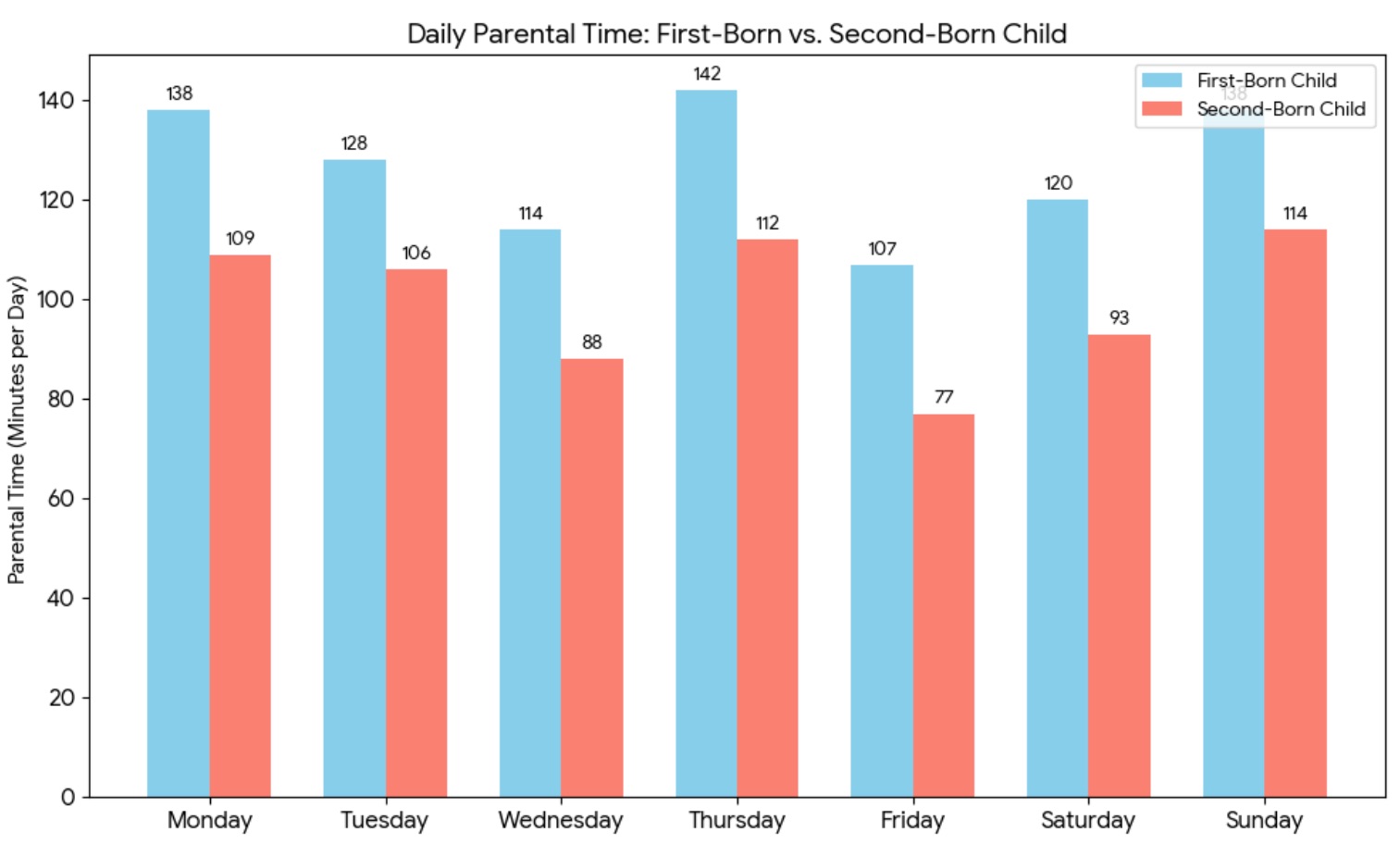
This graph shows the gap in one on one time between the first and second born child, where the first born child consistently receives between 20 and 30 minutes more attention each day. This is a common dynamic often discussed in birth order studies.
Sibling Roles and Identity Formation
Beyond parental influence, siblings themselves play a crucial role in shaping their identity. According to Whiteman, McHale, and Crouter (2007), U.S census data shows that most children in the country grow up with at least one sibling who shares experiences and the attention of parents (Eckstein & Kaufman, 2012). For example, Eckstein & Kaufman (2012) found that children and adolescents spend more time and engage in more activities with their siblings than with either parents or peers outside of school. In addition, according to the social learning theory, children learn by observing and imitating others, especially older siblings (Eckstein & Kaufman, 2012). Older siblings often act as role models, caregivers, and authority figures. This reinforces traits like responsibility, leadership, and maturity in older siblings. Younger siblings, meanwhile, may imitate or react against their older siblings, leading to the process of de-identification or niches (Eckstein & Kaufman, 2012). Siblings will develop certain characteristics and participate in different activities and behaviours in order to have their own unique identities within the family.
The more similar the siblings are, the more deidentification is present (Eckstein & Kaufman, 2012). We can see this psychological phenomenon forming in many stereotypical sibling dynamics. For example, one sibling might be academically focused, and the more they take on that role the stronger the de-identification will become. Whereas another sibling might pursue athletics or social activities, reinforcing the role that is unique to themselves in their family. In my own experience, I gravitated toward routine and responsibility, while my siblings leaned into creativity and spontaneity. It seems these differences were not accidental but were shaped by our need to create different roles within the same family. This process explains why a family can produce three children with wildly different temperaments despite sharing the same genetics and household. Each sibling is actively becoming different to avoid competition for the same parental resources. We can begin to look directly at sibling roles by starting off with where it all begins, the first-born. We all have an understanding or belief that the eldest are supposed to carry traits like responsibility, but where exactly does this idea come from? Kamran (2016) states that firstborns aren’t just “born” responsible; they are trained into it through what is called “trial and error parenting” (Majeed et al, 2022). This idea suggests that the first child is essentially a prototype. Research shows that firstborn children often receive more attention, stricter discipline, and higher expectations, especially early in life (Hiriscau & Pintea, 2024). In addition, first born have been observed to show qualities such as introversion and maturity for their age compared to their siblings (Majeed et al., 2022). Majeed et al., 2022, states that this may be a result of spending more time with their elders, so they inherit similar personality traits. We can circle back to the social learning theory of modeling and imitating elders, where first-borns spend more time with elders, picking up similar traits.
In addition, we can see the contrast between later-born children who often grow up in a more relaxed environment. Fullerton et al (1989) reported higher psychological distress in first-borns while later-born showed greater wellbeing (Legas & Gu, 2025). Higher levels of parental responsiveness improve psychological wellbeing across all birth order groups with last-borns showing the most significant benefit (Legas & Gu, 2025). The higher quality well-being seen in last-borns is attributed to several factors such as receiving greater parental attention and warmth due to being the youngest (Legas & Gu, 2025). Secondly, parents nurture a more relaxed and supportive parenting style thus creating an environment that cultivates emotional closeness (Legas & Gu, 2025). Parents may be less strict, more experienced, and more emotionally responsive. This can lead to greater social confidence and emotional flexibility (Legas & Gu, 2025).
As for middle-born children, research suggests they are most vulnerable. Middle born children are often overlooked in family dynamics, experiencing the sharpest decline in psychological well-being (Legas & Gu, 2025). Most of us are familiar with the term, the black sheep of the family. A member of the family who stands out, acts differently or deviates from the norms or expectations of their family. The middle children are often labeled as the black sheep because they are sandwiched between siblings. Salmon and Daly 1998 state that these feelings may stem from their ambiguous family role, which makes them more susceptible to the adverse effects of psychological control (Legas & Gu, 2025). Whether you’re first born or later born, there are a multitude of variables out of your control, affecting how you develop and what traits you carry with you. Interpreting how birth order affects an individual is fascinating because it’s more complex than it initially appears.
Interviews
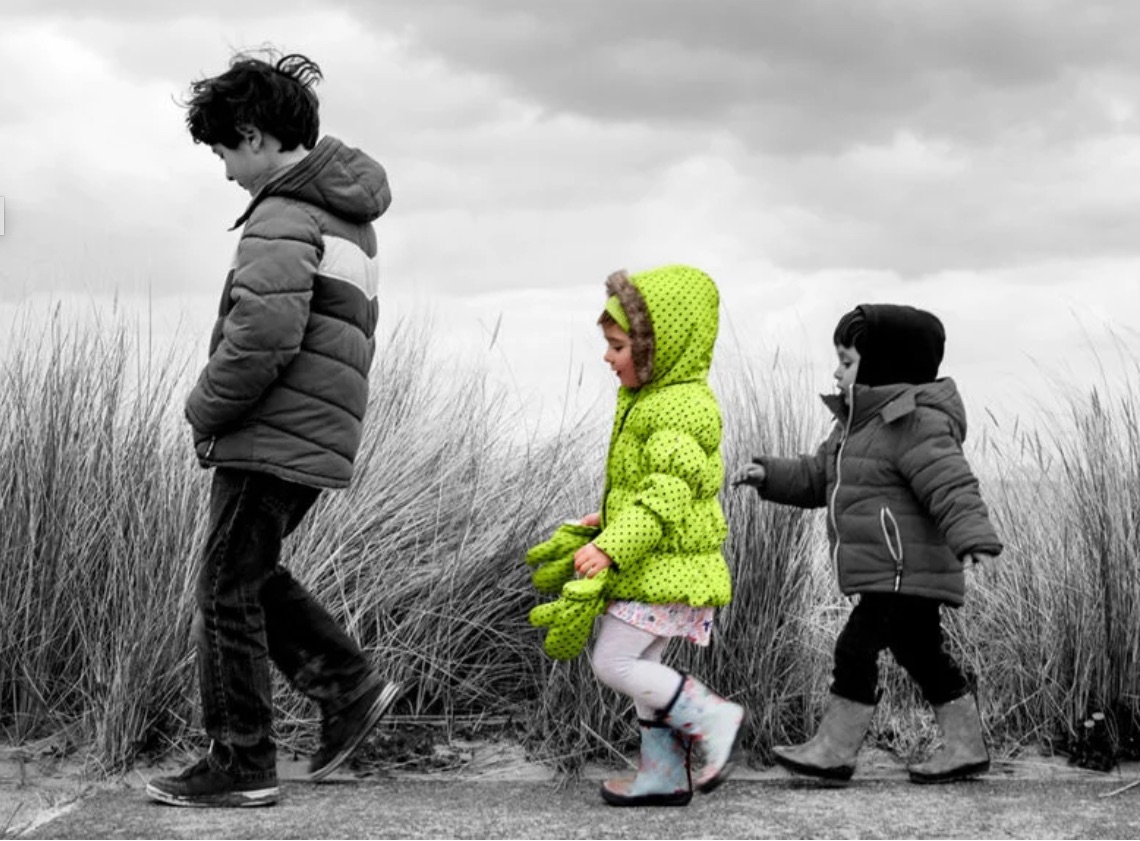
These lived experiences illustrate how sibling dynamics align with established psychological theories. I interviewed Freddie, the youngest of three, and Emilio, the eldest of two. Freddie describes his role as the youngest with a mix of humor and self-awareness, “I was kind of like their little toy. They dressed me up in whatever outfit they wanted me to” (F. Hughes, personal communication, Feb 5, 2026). Freddie admits, “The youngest child’s privilege is real,” “Stuff that my sisters wouldn’t have gotten away with; I definitely did.” This observation pairs with Fukuya et al. (2021) research, which suggests that parents often adopt more relaxed and supportive parenting styles with their youngest children, creating an environment that fosters emotional stability and sociability. In addition, Freddie mentions that if the birth order was reversed his role as a sibling would be quite different than what it is (F. Hughes, personal communication, Feb 5, 2026). For example, if he were the oldest, Freddie mentions that he would bear a different sense of responsibility. Instead of being cared for as the youngest, being the oldest caring for two younger sisters would change how he approached his role with responsibility. This connects back to the stereotype of the first born being responsible; Freddie, whether conscious or unconsciously, has the notion of the eldest being responsible. He also mentions that if he were theoldest,t he would feel like a guinea pig because it’s his parents first experience of having a child. His mention of the guinea pig is also fascinating as we can see how it relates back to research of first borns being the subject of trial-and-error parenting. Even though Freddie is the youngest, he was still able to observe the different dynamics and traits that have to do with birth order.
Moving onto my interview with Emilio, as a first-born child we can see an immediate difference. Emilio begins the interview by mentioning the nine-year age gap between him and his younger sister, stating his role as the oldest was similar to a parent (E. Toro, personal communication, Feb 11, 2026). He continued by mentioning that he and his sister were treated very differently by their parents. He mentioned that with his younger sister, his parents are very relaxed, and she is able to do whatever she wants. Whereas with Emilio, they are very protective and wouldn’t let him do anything. We can connect these differences in treatment back to the idea of the first-born role. As Sulloway (1996) suggests, first born exhibit greater resilience likely due to their established roles of leadership and responsibilities within family dynamics (Legas & Gu 2025). Thus Emilio was able to adapt to roles similar to a parent because of his position in the family. We can also see the leniency difference from the parents of how the first born and later born are treated. Hotz and Pantano (2015) argue that parents are stricter with their eldest children and enforce harsher penalties in response to bad behavior and poor school performance to establish a reputation of toughness and deter similar behavior amongst younger children (Hiriscau and Pintea 2024).
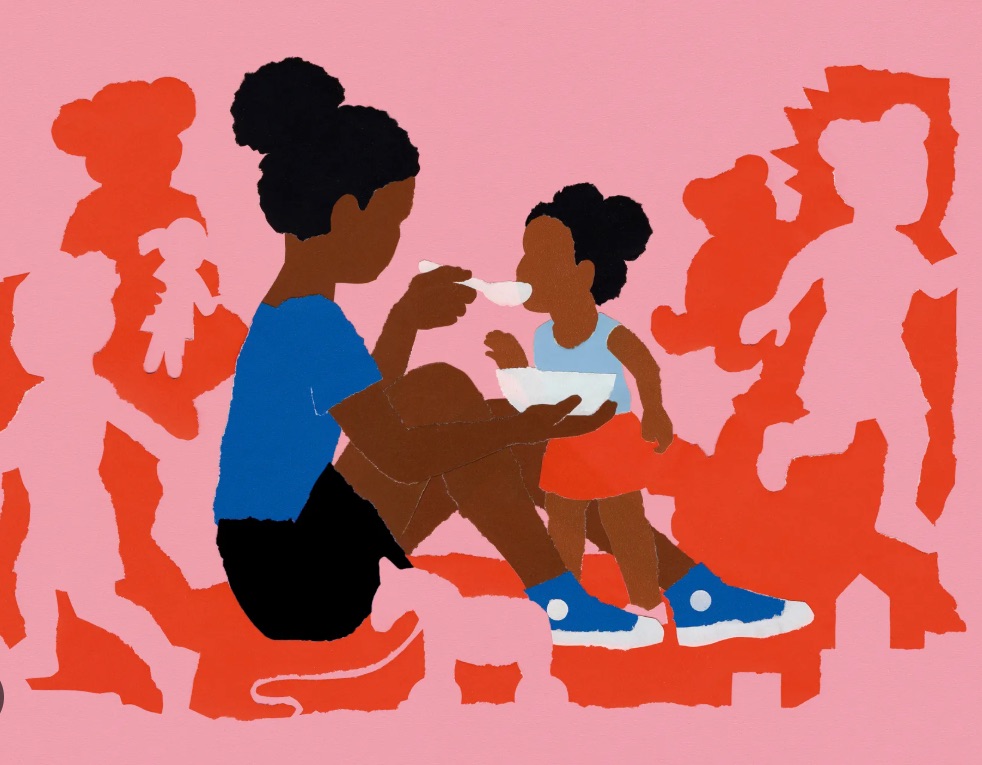
The older siblings often care for their younger siblings by helping out in ways that their parents would.
The Global Lens: Gender and Economy
It’s clear that the effects of birth order differ depending on many variables but a major one that we have yet to dissect is the role culture and gender play. In Confucian influenced societies, birth order is deeply tied to social expectations. In the low and middle-income countries such as China, birth order effects can be reversed. Unlike in western societies, firstborn children are often expected to care for their parents and uphold family traditions, reinforcing traits like responsibility and conservatism (Mu et al., 2024). Furthermore, in poor households, later-born children often receive fewer resources because the family has less by the time later born children arrive, this is especially visible during childhood (Kanayama & Yamada 2024). This can be connected back to resource dilution as mentioned earlier by Blake (1981). In addition, both in childhood and adulthood, the distribution of work is heavily gendered. Eldest daughters often face an unequal amount of housework and caregiving, which can limit their access to education, leisure and social opportunities. The struggles with family responsibility, feeling overburdened, and underappreciated can significantly affect their wellbeing and self esteem (Mishra and Singh 2026). These inequalities are rooted in early childhood socialization because of what we discussed prior, the social learning theory (Eckstein and Kaufman 2012) of modeling and imitating elders at a young age. As children model the gendered behaviors and expectations observed within the household, the cycle of gendered inequality perpetuates.
In contrast, there is a strong cultural preference for sons in Confucian influenced societies, which can lead parents to invest more resources in their firstborn son. In situations with limited financial resources, families may prioritize sending only the eldest son to school due to cultural expectations or the belief that his education will bring the greatest economic benefits (Kanayama & Yamada 2024). Another explanation relates to family roles within the household. Older children are often expected to take on greater responsibilities, such as leaving school to work and contribute financially. This additional income and support from elder siblings can support the family and as a result allow younger siblings to remain in school for longer periods (Kanayama & Yamada 2024). These findings highlight an important point, birth order does not operate in isolation. Its effects are shaped by cultural norms and economic conditions.
The older siblings often care for their younger siblings by helping out in ways that their parents would.
The Global Lens: Gender and Economy
It’s clear that the effects of birth order differ depending on many variables but a major one that we have yet to dissect is the role culture and gender play. In Confucian influenced societies, birth order is deeply tied to social expectations. In the low and middle-income countries such as China, birth order effects can be reversed. Unlike in western societies, firstborn children are often expected to care for their parents and uphold family traditions, reinforcing traits like responsibility and conservatism (Mu et al., 2024). Furthermore, in poor households, later-born children often receive fewer resources because the family has less by the time later born children arrive, this is especially visible during childhood (Kanayama & Yamada 2024). This can be connected back to resource dilution as mentioned earlier by Blake (1981). In addition, both in childhood and adulthood, the distribution of work is heavily gendered. Eldest daughters often face an unequal amount of housework and caregiving, which can limit their access to education, leisure and social opportunities. The struggles with family responsibility, feeling overburdened, and underappreciated can significantly affect their wellbeing and self esteem (Mishra and Singh 2026). These inequalities are rooted in early childhood socialization because of what we discussed prior, the social learning theory (Eckstein and Kaufman 2012) of modeling and imitating elders at a young age. As children model the gendered behaviors and expectations observed within the household, the cycle of gendered inequality perpetuates.
In contrast, there is a strong cultural preference for sons in Confucian influenced societies, which can lead parents to invest more resources in their firstborn son. In situations with limited financial resources, families may prioritize sending only the eldest son to school due to cultural expectations or the belief that his education will bring the greatest economic benefits (Kanayama & Yamada 2024). Another explanation relates to family roles within the household. Older children are often expected to take on greater responsibilities, such as leaving school to work and contribute financially. This additional income and support from elder siblings can support the family and as a result allow younger siblings to remain in school for longer periods (Kanayama & Yamada 2024). These findings highlight an important point, birth order does not operate in isolation. Its effects are shaped by cultural norms and economic conditions.
Conclusion: Why Birth Order Matters to Our Self-Understanding
Analyzing and interpreting the mechanisms of birth order is a tool for autonomy and independence from predisposed beliefs and attitudes towards yourself. When we recognize that our strong sense of responsibility or our rebellious side is, to some extent, a deliberate response to our early childhood environment, we can begin to choose which traits to keep and which to remove. Understanding birth order helps us see that personality is not just an individual trait, it is shaped by relationships, expectations, resources and environments. It also shows how inequalities can develop within families, even unintentionally. For those who want to become parents one day, this knowledge and understanding can encourage a more balanced and insightful approach. For individuals, understanding birth order can provide insight into personal behaviors and predispositions. It can explain why we take on certain roles and respond to circumstances in specific ways. In my own life, recognizing the influence of birth order has helped me understand qualities like responsibility and why it consumes so much of me. It has also helped me see my sibling’s behavior more objectively and with more empathy, knowing how and why they might have come to be.
Works cited
DUNKEL C.S. HARBKE C.R. PAPINI D.R. (2009). Direct and Indirect Effects of Birth Order on Personality and Identity: Support for the Null Hypothesis. The Journal of Genetic Psychology, 170(2), 159–175.
Eckstein D. Kaufman J.A. (2012). The Role of Birth Order in Personality: An Enduring Intellectual Legacy of Alfred Adler. The Journal of Individual Psychology, 68 (1), 60-71.
Hiriscau A. Pintea M. (2024). Birth order, socioeconomic background and educational attainment. Education Economics, 32(3), 395-412.
https://doi.org/10.1080/09645292.2023.2217482
KANAYAMA Y. YAMADA H. (2024). Changing Effects of Birth Order on Education Over Time: Evidence From Cambodia. The Journal of Development Studies, 60(9), 1329–1351
https://doi.org/10.1080/00220388.2024.2337374
Legas A.M. Gu C. (2025). Parenting behavior and adolescent psychological wellbeing: the moderating role of birth order. Current Psychology, 44(4669-4678)
https://doi.org/10.1007/s12144-025-07489-5
Majeed S. Rafiq F. Ghani F. Imran F. Tahir Z. (2022). A Study on Birth Order and Sense of Overall Responsibility in Undergraduate Students of Lahore, Pakistan. Romanian Journal of Applied Psychology, 24(1-2), 5.
DOI: 10.24913/rjap.24.1.01
Marano K. E. (2017). An Analysis of Empirical Validity of Alfred Adler’s Theory of Birth Order. The Alpha Chi Journal of Undergraduate Scholarship, 2(1), 14.
DOI: 10.21081/AX0082
Mishra S. Singh H. (2026), Do younger siblings get to have all the fun? Time use and birth order in Indian children and adolescents. JOURNAL OF FAMILY STUDIES https://doi.org/10.1080/13229400.2026.2630761
Mu W. Li Y. Cui S. He A. Liu T. (2024). Birth order and personality: Evidence from a representative sample of Chinese. European Journal of Personality, 38(6), 896-906.
DOI: 10.1177/08902070231224063
Rohrer J. M. Egloff B. Schmukle S.C. (2015) Examining the effects of birth order on personality. Psychological and Cognitive Sciences, 112(46).
https://doi.org/10.1073/pnas.1506451112