


Bita Askarihazaveh
Bita is nearing the completion of her undergraduate degree, majoring in Psychology with a minor in Sociology at Capilano University. She has supported herself throughout her education by working in various areas of healthcare as a medical office administrator, strengthening her ability to provide compassionate, patient-centered care. Fluent in English and Farsi, and currently learning Italian, Bita enjoys connecting with people from diverse backgrounds. She also works as a dog sitter, an experience that has strengthened her understanding of non-verbal communication, patience, compassion, and the gentle process of forming genuine trust: skills that enrich both her psychological perspective and her everyday interactions.
Her goal is to foster social interactions rooted in healthy dependence, encouraging individuals to seek both emotional and practical support from one another.
Thesis
My article focuses on hyper-independence and the unhealthy degree of independence in individualistic societies. While codependence is often criticized as an unhealthy relationship dynamic, hyper-independence represents an equally damaging extreme on the dependence spectrum; by rejecting all support (both emotional and practical), hyper-independent individuals in individualistic societies deny themselves the mutuality found in healthy dependence.
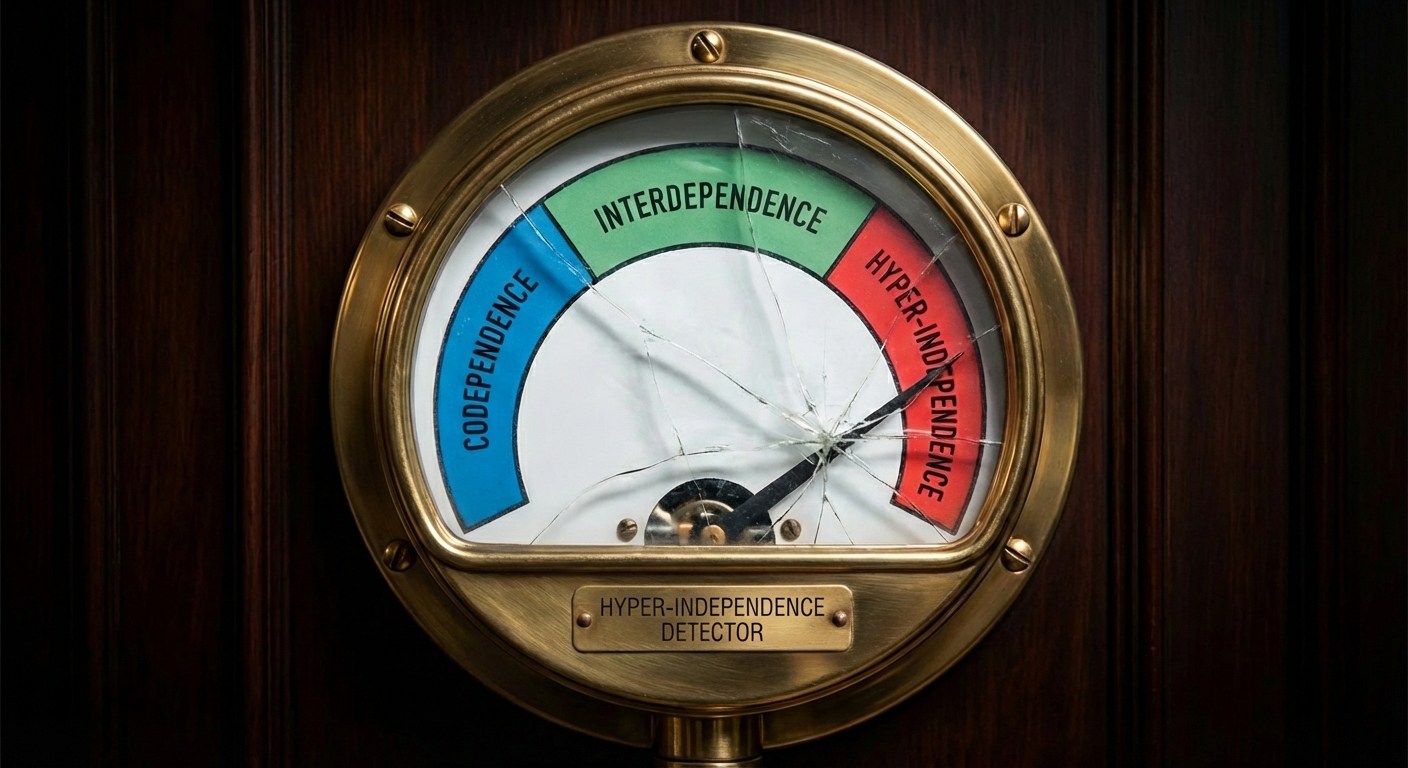
Hyper-independence detector: the shattered glass symbolizes the pressure of hyper-independence and how far we’ve drifted toward it as a society.
Note. Image generated using the AI model “Nano Banana Pro” by Google, Gemini, 2025 (https://gemini.google.com).
Personal Narrative
Growing up, my family placed immense value on togetherness. My family and I approached both significant events and everyday life in a deeply collective way. One of my most vivid memories is from the weeks leading up to my sister’s wedding. Relatives from around the world (my grandmother, aunts, uncles, and cousins) flew in to help prepare for the celebration. Eleven people were staying in our two-bedroom apartment, driven by a shared desire to honour this moment as a family.
During those weeks, my mother and grandmother spent hours preparing the Sofreh Aghd, the traditional Persian wedding spread filled with symbolic items meant to bless the couple’s life together.
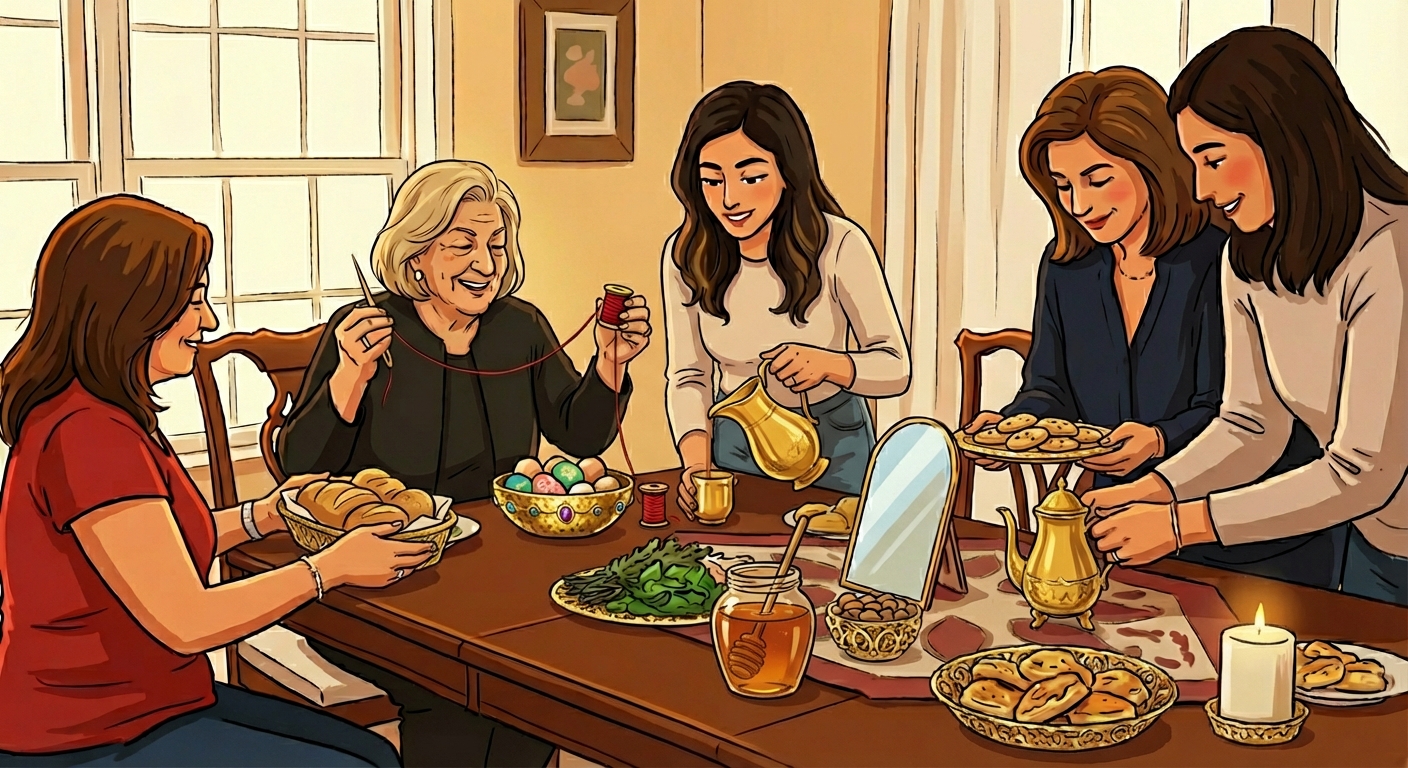
Moment of connection with family during Sofreh Aghd preparation.
Note. Image generated using the AI model “Nano Banana Pro” by Google, Gemini, 2025 (https://gemini.google.com).
As we prepared each element gathered around the dining room table, my grandmother and aunts explained the meaning behind each object: the needle and thread symbolizing two families joining as one, the eggs representing fertility, and the honey illustrating a sweet life. At the time, I didn’t fully appreciate how deeply these traditions reflected the collectivistic values of my Persian heritage, values that prioritize shared responsibility, emotional closeness, emotional connection and supporting one another through life’s transitions.

This is my photo of the completed Sofreh Aghd, the morning of my sister’s wedding, 2014.
That memory is now eleven years old, and since then, I have noticed a gradual shift in my family’s values as we have continued building our lives in Canada. Living in an individualistic society, one that emphasizes personal achievement, autonomy, and self-reliance, has slowly influenced our family dynamic. The idea that we should handle our emotional and physical needs entirely on our own has become more central in my household, and the collective problem-solving that once defined us has weakened. Over time, it seems we have internalized the belief that relying on others is a burden rather than a healthy and necessary part of relationships and healthy dependence.
A recent experience with my mother highlighted this shift. I had driven to her apartment after school and was circling her building, desperately trying to find a parking spot while also needing to use the bathroom. After several loops, I finally called her and asked if she could come downstairs and wait in the loading zone so I could run upstairs. Although she agreed, there was a noticeable hesitation in her voice.
Later, once we returned to her apartment, she told me that I should have “figured it out on my own”, noting that my older sister would never have asked for help. Her response stayed with me long after. It reflected more than just a comment about parking; it revealed how deeply the idea of hyper-independence had taken root within my family. My mother’s intention was not unkind; she genuinely believed she was encouraging strength, which was made prevalent by the changes she had made in herself (consciously or unconsciously) to avoid asking for help. After years of adapting to an environment that praises extreme independence above all else, asking for help or support has now become demonized.
Observing these changes in my mother, my sister, and even in myself has been revealing. It has allowed me to see firsthand how a family rooted in collectivistic traditions can gradually absorb the norms of an individualistic society, often without realizing what is being lost. The more I witness this transformation, the more I understand how easily hyper-independence can become normalized, even celebrated, even when it quietly undermines emotional connection and well-being.
Experiencing this shift personally, and watching it unfold within my family, has made hyper-independence feel far from an abstract psychological concept; it is a lived reality.
The Scale of Dependence
This article examines the damaging effects of hyper-independence, which is an unhealthy and extreme form of self-reliance. Hyper-independent individuals avoid seeking emotional or practical support and resist relying on others, even when assistance would be helpful or even necessary (Carr, 2025). They strive to manage every aspect of their lives on their own, maintaining a rigid belief that their needs must be met independently. To fully understand this dynamic, it is helpful to view hyper-independence as one extreme side of the dependence spectrum; on the opposing side would be codependence.
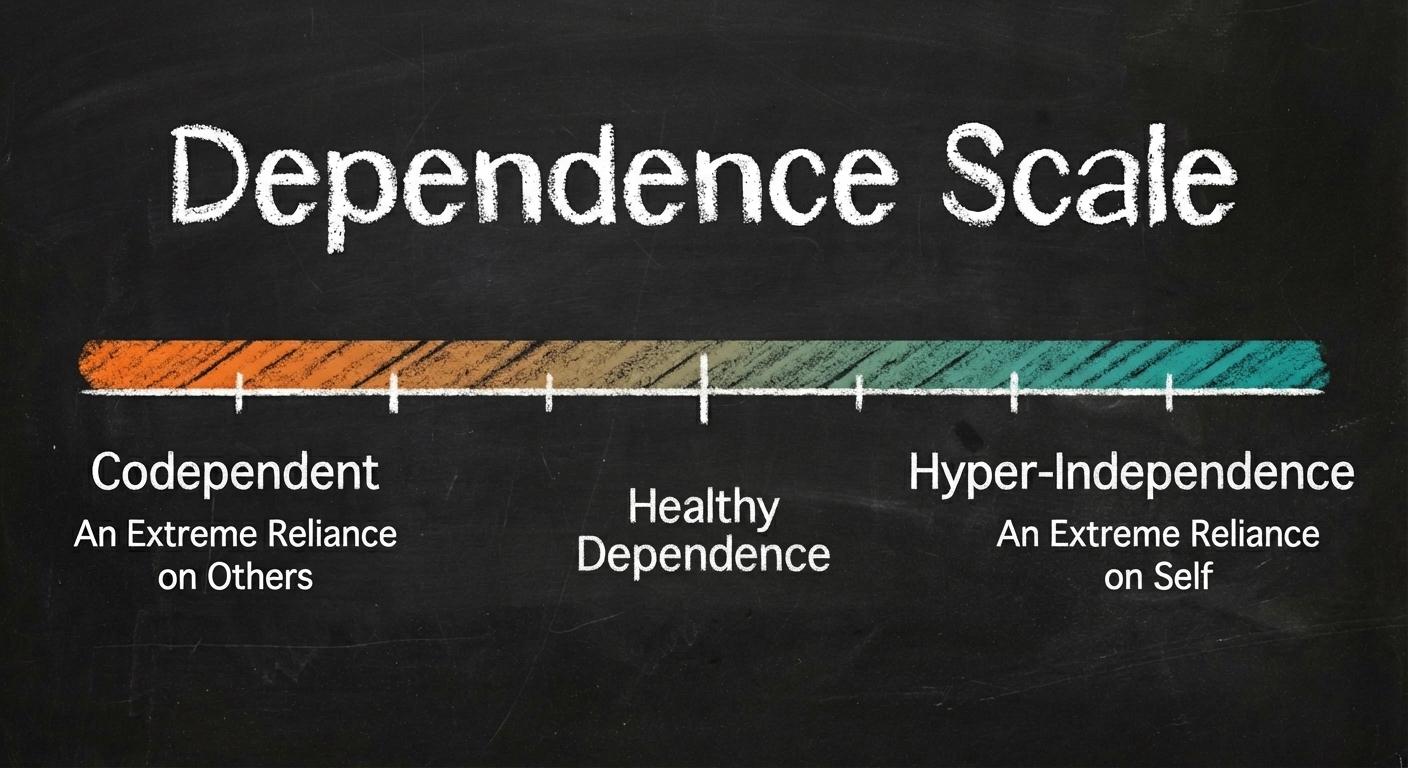
Scale of dependencies.
Note. Image generated using the AI model “Nano Banana Pro” by Google, Gemini, 2025 (https://gemini.google.com).
In my experience, codependence is one of the most commonly used psychology-related words, as well as one of the most misunderstood and therefore misused words within the field.
Codependent relationships would be defined as unbalanced; one person is mostly benefiting, receiving support and affection, while the other person in the relationship is in more of a caregiver position, giving significantly more than they are receiving from the relationship (Psychology Today Staff, 2025). The term codependency was initially associated with substance abuse disorder to describe relationships controlled by one person’s drug or alcohol use, and over time, it started being used to describe situations where one person enables another. For example, couples who spend most of their time together might be labelled as codependent; however, the key part to remember is that the amount of time spent together is not necessarily an indicator of codependence. It is also interesting the way codependence is often used as a diagnostic term, yet it is important to be clear that codependence itself is not in the DSM-5 (Diagnostic and Statistical Manual of Mental Disorders). However, what is in the DSM-5 is Dependent Personality Disorder, “describes a pervasive pattern in which individuals have an excessive need to be taken care of and are submissive, needy, and fearful of losing close relationships” (Hansen, Thomas & Torrico, 2024).
Between these two extremes lies healthy dependence, which is when both people in the relationship give and receive love, affection, and support. In this dynamic, they both benefit from these aspects of the relationship, as “healthy relationships are mutually beneficial, providing love and support to both parties” (Psychology Today Staff, 2025).
Avoidant Attachment as the Foundation of Hyper-Independence
On a deeper psychological level, hyper-independence is strongly associated with avoidant attachment. This attachment style is characterized by a tendency to suppress emotional and physical needs, discomfort with or avoidance of intimacy, and an overdeveloped, often unhealthy, sense of self-reliance (Pal & Hasan, 2025). In extreme cases, Avoidant Personality Disorder (AVPD) involves ongoing social anxiety, higher rejection sensitivity, and chronic feelings of not being good enough. Although people with this disorder deeply want close relationships, they tend to avoid situations that might lead to criticism or hurt because they are highly focused on preventing emotional pain (Torrico & Sapra, 2024). Both hyper‑independence and avoidant attachment have been described as forms of maladaptive autonomy, where strategies that start as protective or adaptive in emotionally unsafe environments become rigid and ultimately interfere with emotional well‑being and healthy relationships (Tanasugarn, 2025).
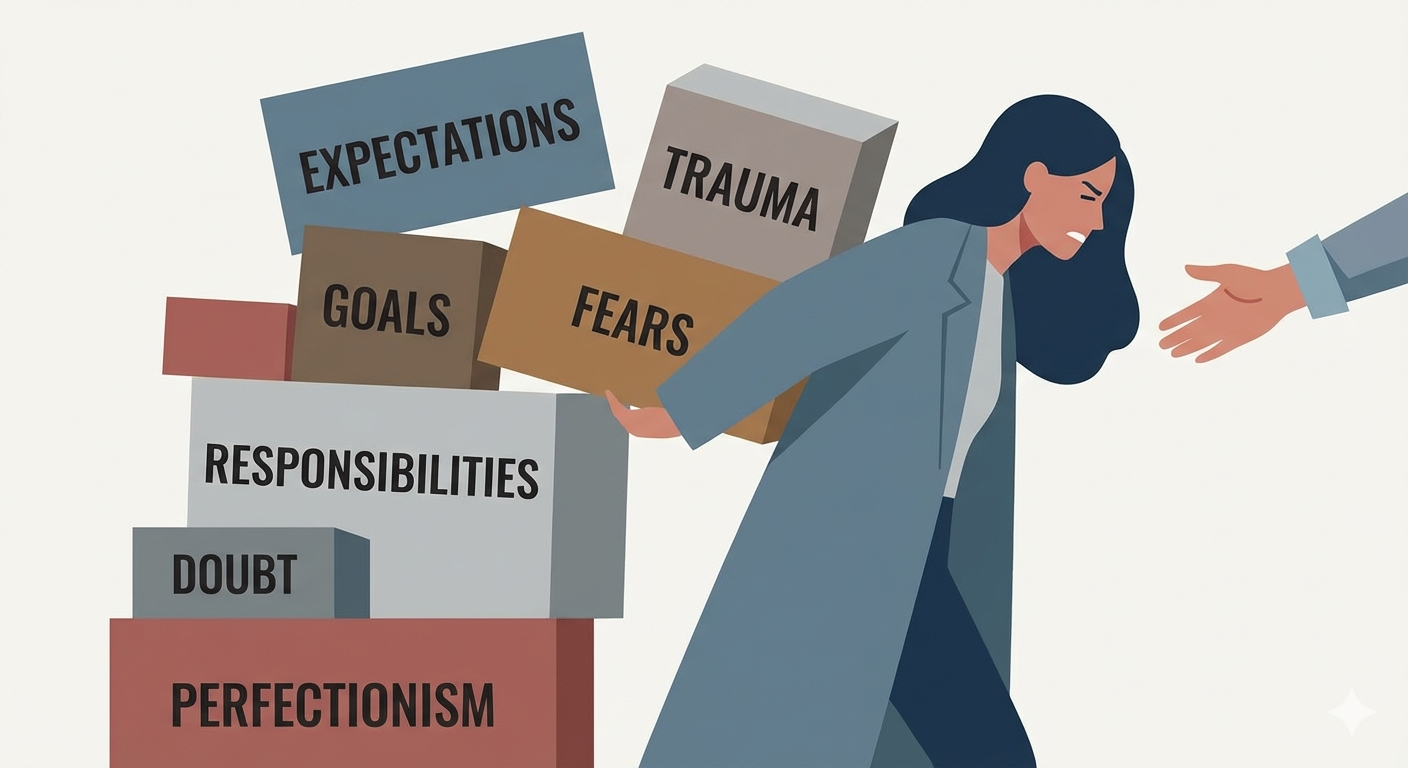
Hyper-independence: carrying it all doesn’t prove you’re strong; it proves you’re afraid to ask for help.
Note. Image generated using the AI model “Nano Banana Pro” by Google, Gemini, 2025 (https://gemini.google.com).
These protective strategies often stem from early childhood experiences, such as parentification. Parentification occurs when a child is placed in the role of the parent or caregiver; instead of having their own physical and emotional needs met, the child is expected to meet the needs of the parent or caregiver and even at times their younger siblings. This dynamic is particularly common in families with narcissistic parents. Over time, parentification can lead to significant childhood trauma and may contribute to hyper-independence in adulthood (Tanasugarn, 2025).
The Origins of Extreme Self-Reliance
It is essential to understand these behaviours within a broader societal framework. Hyper-independence seems to be more prevalent in individualistic societies, such as Canada, which tend to focus on individual goals and accomplishments. This stands in contrast to collectivistic societies, which focus on group goals and accomplishments. The concept of culture-bound syndromes suggests that many mental health struggles, often viewed as isolated individual issues, such as postpartum depression, are actually deeply rooted in societal norms. Therefore, these conditions are less a reflection of the individual and more a byproduct of their cultural environment. For instance, rates of depression are notably higher in individualistic cultures, where the societal push for hyper-independence creates a fundamental conflict where “… our biology is at odds with our culture” (Grange Isaacson, 2020).
The Role of Emotional Neglect and Rejection in the Formation of Hyper-Independence
I had the opportunity to interview Dr. Lesley Schimanski, a neurophysiologist with a Ph.D. from the University of Alberta, to deepen my understanding of the psychological mechanisms underlying hyper-independence. Throughout my research, the concepts of emotional neglect and emotional rejection repeatedly emerged as significant contributors to the development of hyper-independent behaviour. Speaking with Dr. Schimanski allowed me to better understand not only how these forms of emotional harm occur, but also how subtle and easily overlooked they can be, especially when they happen in childhood.
Before this interview, my understanding of childhood emotional rejection was limited to more obvious or explicit examples. I imagined scenarios in which a child seeks comfort after being hurt emotionally by a friend, and the parent or caregiver responds by telling them to deal with it themselves or lecturing them about being too sensitive. These reactions clearly communicate to the child that their feelings are unwelcome or inconvenient. However, during our conversation, Dr. Schimanski expanded this definition and introduced emotional dismissal as another meaningful form of emotional rejection:
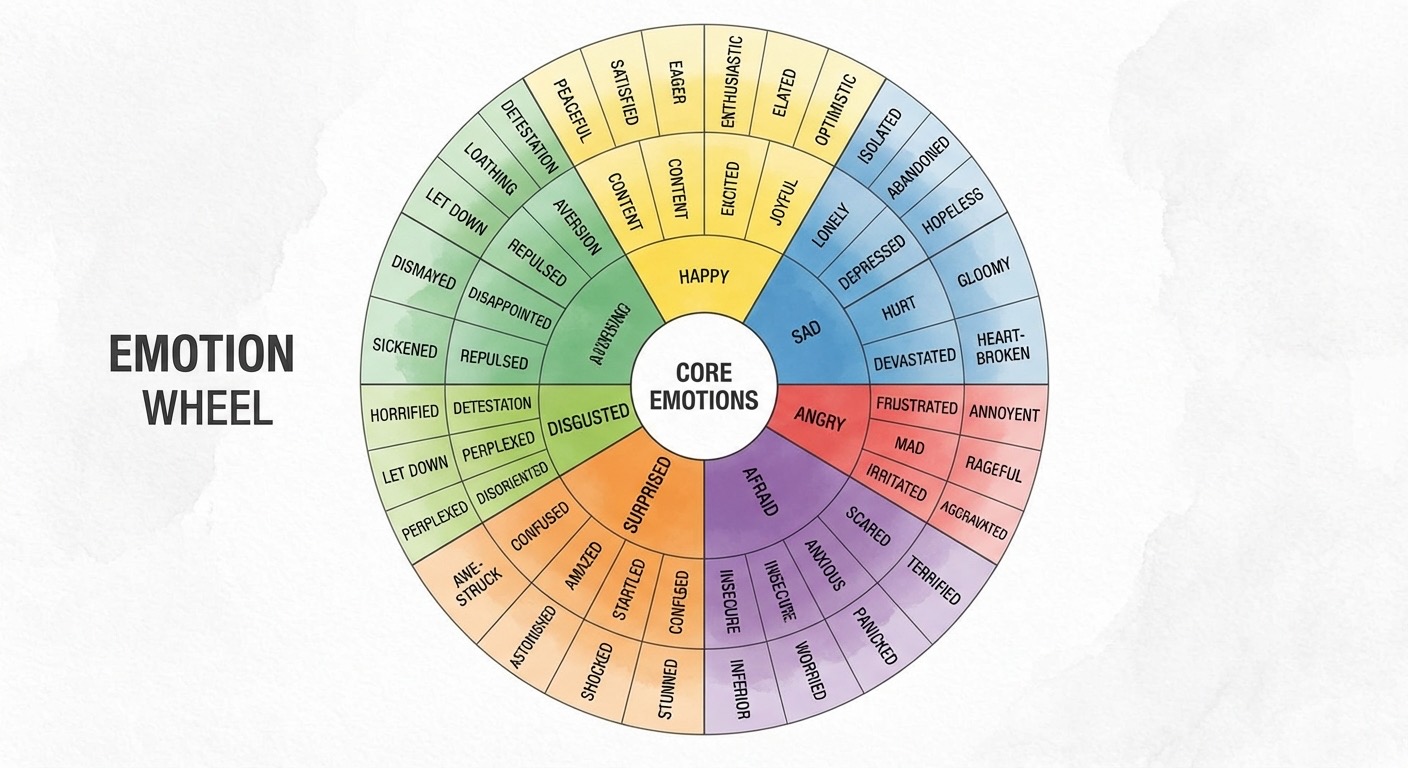
If I’m trying to open up to someone and they don’t want to deal with that, then to me, that feels like rejection as well. It may be a type of rejection. You know how in the emotion wheel there are the major emotions and then all the little sub-emotions? To me, that’s how that one feels. Like, there’s rejection, and then there’s lots of different kinds of rejection, and dismissal probably feels like a type of rejection. (L. Schimanski, personal communication, November 28, 2025)
Hyper-independence: carrying it all doesn’t prove you’re strong; it proves you’re afraid to ask for help.
Note. Image generated using the AI model “Nano Banana Pro” by Google, Gemini, 2025 (https://gemini.google.com).
This insight broadened my perspective significantly. Emotional rejection is not always loud, harsh, or overt. It can appear in subtle ways, such as a caregiver changing the subject, offering distractions, or redirecting the child away from their emotions. These responses might seem gentle, even caring on the surface, but they still convey that the child’s emotional experience is something to be avoided rather than heard. These types of dismissive responses could also be promoting toxic positivity, which encourages avoidance and hiding any negative emotions they are experiencing instead of communicating them (Tanasugarn, 2025).
Dr. Schimanski shared an example that illustrates how these moments can feel invalidating, even if delivered with seemingly good intentions:
If you’re feeling upset and you approach someone for support and their response is, “Oh, sorry you’re feeling bad, here’s a candy”, it’s directly the same kind of Band-Aid solution as was offered by their grandparent. It might actually feel insulting to a person in that situation because it brings them back to that experience as a child, where Grandma thought giving them a candy just solved all their problems. And you would think, “It did not solve all of my problems”, and it may bring back those emotions. (L. Schimanski, personal communication, November 28, 2025)
This example highlights the emotional disconnect that occurs when a child’s vulnerability is met with distraction rather than understanding. Even positive gestures can communicate rejection when they bypass the child’s expressed need for emotional support. Over time, the child may learn that expressing their needs, especially emotional ones, does not lead to comfort but instead to dismissal.
These early patterns shape how individuals respond to emotional distress later in life. When a child’s emotional needs are met with emotional validation and patience, along with verbal encouragement to reach out in the future, they are more likely to grow into adults who demonstrate healthy dependence. This means they feel comfortable reaching out for emotional or practical support and also offering it to others. In contrast, individuals who grow up experiencing emotional rejection or dismissal often develop hyper-independent coping strategies. They may avoid asking for help because they believe support will not truly be available, or because they fear burdening others, mirroring the emotional dynamics they experienced as children.
This connection between childhood experiences and adult behaviour was summarized clearly by Dr. Schimanski:
If we’re back in a situation that is very similar to what we experienced as a child, in which we experienced that rejection, then for sure our likely response is going to be to not want to express that behaviour again, because that resulted in rejection initially. (L. Schimanski, personal communication, November 28, 2025)
In essence, hyper-independence can be seen as a maladaptive survival strategy, one rooted in repeated experiences of unmet emotional needs. When children learn that vulnerability leads to rejection, they often grow into adults who choose self-reliance over connection, even when it is harming them. Understanding emotional neglect and emotional rejection is, therefore, essential not only for recognizing the roots of hyper-independence but also for beginning to challenge the internalized belief that one must handle everything alone.
Conclusion
Hyper-independence, while often celebrated in individualistic societies as a marker of strength and self-sufficiency, can obscure deep emotional vulnerabilities and unhealthy patterns of coping. Through both personal experience and research, it becomes clear that extreme self-reliance is rooted in fear; it is frequently a response to early experiences of emotional neglect, rejection, or parentification. Attachment theory helps illuminate how avoidant strategies, initially protective in unsafe emotional environments, can solidify into rigid patterns of hyper-independence, preventing individuals from forming mutually supportive relationships later in life.
By examining hyper-independence on the dependence spectrum, alongside its counterpart of codependence, we can see that healthy relationships rely on a balance of giving and receiving support. When this balance is disrupted, whether by cultural pressures emphasizing individual achievement or by formative experiences that discourage vulnerability, hyper-independence can emerge as a maladaptive survival strategy rather than a genuine expression of autonomy.
Ultimately, recognizing the societal, familial, and psychological origins of hyper-independence is essential for fostering both self-awareness and healthier relational dynamics. Understanding that seeking support is not a weakness, but a fundamental aspect of human connection, allows individuals to challenge the internalized belief that self-reliance must come at the cost of intimacy, emotional well-being, and mutual dependence.
References
Askaree, L., Safdar, K., Fraooqui, J., Umar, H., Panhwar, R. J., & Baloch, L. K. (2025). Investigating the relationship between childhood trauma and hyper-independence among university students: From adversity to self-reliance. Research Journal of Psychology, 3(2), 290–307. https://doi.org/10.59075/rjs.v3i2.129
Carr, N. (2025, August 27). Hyper-independence and trauma. MentalHealth.com.
https://www.mentalhealth.com/library/hyper-independence-linked-to-trauma
Grange Isaacson, T. (2020). Metaphors of Agony: Culture-bound Syndromes of Hyper-Independence. Psychoanalysis, Self and Context, 15(4), 375–383. https://doi-org.ezproxy.capilanou.ca/10.1080/24720038.2020.1803875
Hansen, B. J., Thomas, J., & Torrico, T. J. (2024, August 17). Dependent personality disorder. In StatPearls. StatPearls Publishing. https://www.ncbi.nlm.nih.gov/books/NBK606086/
Marschall, A. (2025, September 25). Hyper-independence and trauma: What’s the connection? Verywell Mind. https://www.verywellmind.com/hyper-independence-and-trauma-5524773
Pal Shruti, Hasan Zuby. (2025). Emotional Exile: Unpacking Hyper-Independence, Attachment Avoidance and the role of Internalised Shame in Young Adults. 10.13140/RG.2.2.28675.77608.
Psychology Today Staff. (2025, February 13). Codependency. Psychology Today. https://www.psychologytoday.com/ca/basics/codependency
Tanasugarn, A. (2025, February 13). Hyper-independence: Is it a trauma response? Psychology Today. https://www.psychologytoday.com/ca/blog/understanding-ptsd/202306/hyper-independence-is-it-a-trauma-response
Torrico, T. J., & Sapra, A. (2024, February 12). Avoidant personality disorder. In StatPearls. StatPearls Publishing. https://www.ncbi.nlm.nih.gov/books/NBK559325/