

Vaishnavi Rawal
Vaishnavi Rawal is a student at Capilano University currently pursuing her Bachelor of Arts degree majoring in Interdisciplinary Studies and minoring in Psychology. Born in Mehsana, Gujarat and raised in Ahmedabad, Gujarat she now lives in Vancouver where her experiences as an international student at a very young age of 18 shaped her reflections on identity, culture and belonging. Her writing explores the quiet intersections between migration, family and healing often weaving personal memory with collective South Asian experiences. Through her academic background in psychology, she is passionate about understanding intergenerational trauma, emotional literacy and mental health within immigrant communities.
When I boarded my flight from Ahmedabad to Vancouver, I carried more than two suitcases. Inside me were years of unspoken words – the kind that would never reach my parents’ ears because they were too busy carrying their own. I always told myself that leaving India would give me the space I need to breathe and to live without being measured against cousins or the silent clock ticking towards marriage, but I soon realized that migration does not release expectations instead it just relocates them. It follows you throughout the thirty-hour journey, through every phone call at home that ends with “When are you planning to settle down?”
For many girls from my Gujarati community, moving abroad is painted as freedom – a chance at life to study, work and live life on our own terms which seems impossible at home. Beneath that freedom there lies another truth: we are also running from something – from homes where love was disciplined, from voices that said, “we only scold because we care” from those streets where our worth was often tied to our family’s reputation.
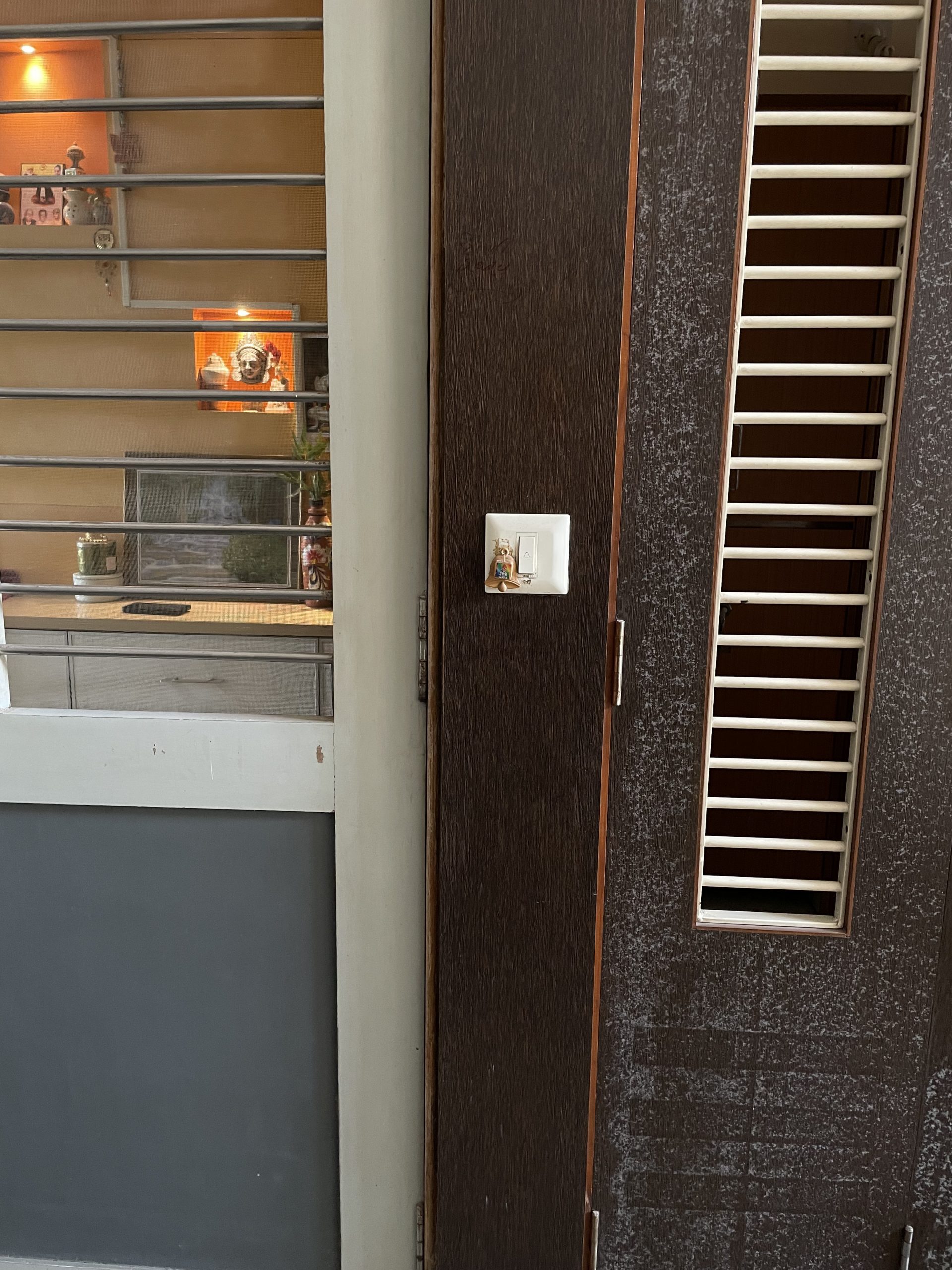
Walls thin enough for voices, thick enough for secrets.
I would think that migration would be a clean break, but distance only amplified the echo of those voices.
When I met Pritha, a young woman from Rajkot who also moved to Canada for her studies, it felt like meeting a reflection of myself. I could relate to her experiences and like many other girls I have met from my community here in Canada she dealt with a similar upbringing. In her small apartment, over cups of chai, she told me about her childhood: a home that was safe but never soft, a mother who loved her through correction, a father who mistook control for guidance. “My mom would hit me with a broom if I got a math problem wrong” she said quietly while tracing her fingers at the rim of her cup and continued “But she did not see it as violence instead she saw it as a teaching” (Chandok).
Listening to her, I realized how normalized our pain was. What Pritha had described sounded so ordinary that I almost did not register it as abuse because in many but not all South Asian families, strictness is mistaken for structure and endurance is considered as a virtue. Priteegandha Naik notes in her article that Partition of India affected the people adversely. She says, “…the silence around the event has perverted the transmission of memories resulting in violent after-effects, particularly in the form of intergenerational trauma” (Naik). This silence seems to have become a cultural inheritance which is passed down like heirloom jewelry worn differently by each generation but heavy all the same. Naik further explains that such memories “…surface in the form of religious conflicts and communal tensions” showing how unresolved pain often transforms into new patterns of control and repression (653).
As I reflect on my parents, I no longer see them as the source of pain but as products of a system that shaped them too. They were not villains in my story but just two young adults who were trying to navigate parenthood by making sense of love and responsibility in a world that never really gave them the emotional tools to do so. Growing up, there were times like when they restricted my going out and I mistook their strictness for lack of care but now as an adult myself, I understand it as their way of keeping me safe in the only language they knew. Recognizing this has helped me soften the edges of my resentment and see them as fellow humans who are flawed, loving, and learning just like I am.
Moving to Canada gave me the illusion of choice. Here I see most people marry when they want or sometimes not at all. They speak openly about therapy, about childhood wounds and about self-love whereas on the other side, in the privacy of our shared family WhatsApp groups, the old conversations looped, who got a better job, whose daughter looked slimmer, more delicate in her wedding photos, who was being too “Western”. Freedom, I realized, is not geography. It is the courage to unlearn what love should look like.
In the very first winter after I moved, I often would call my mother just to hear the clatter of her kitchen in the background. She would ask about my classes, my meals, my friends, and then inevitably about marriage. I would brush it off pretending that it did not sting, but when Pritha told me she stopped taking her parents’ calls because every conversation turned into criticism, I understood. We were both still those little girls seeking approval from parents who believed they were protecting us.
Migration gave us distance but not detachment and for women like us, daughters of discipline, dreamers of gentler love, the real journey is not crossing oceans. It is learning to speak about the pain, acknowledge something is not right, break the silence that taught us to hide while finding compassion for those who did not know better.
In research by Chandak and Vaidya they found that childhood trauma rewires emotional attachment explaining that “Childhood trauma has been widely associated with disruptions in attachment development, often leading to insecure attachment patterns characterized by difficulties in trust, intimacy, and emotional regulation” (277-278). Reading this, I saw both Pritha and myself mirrored in those lines. When she spoke about struggling to trust her partner always expecting abandonment, always apologizing first – it was not because she did not understand love, but because she had been taught that love demanded endurance. I have done the same in my own relationships mistaking silence for peace, apologizing even when I was not wrong, fearing that speaking up would make me unlovable.
The study helps make sense of how our childhoods seep into adulthood. When a generation is raised to equate discipline with affection, their emotional world becomes one of the contradictions. They crave closeness but fear it. They build walls to protect themselves from pain but end up isolating their own hearts. Chandak and Vaidya’s findings bring this invisible pattern to light – how unresolved pain is not simply forgotten, but it is repackaged and carried forward, disguised as resilience.
As I listened to Pritha describe her life in Canada – working long hours, saving for tuition, navigating loneliness, I realized that even across oceans, her parents’ expectations still dictated her choices. She could not attend a friend’s party without guilt, fearing photos online would make their way back to relatives in Gujarat. This constant policing of behaviour even from afar shows how trauma adapts to distance. The voice on the other side of the call does not need to shout any more, it just needs to remind you of who you were supposed to be.
Chandak and Vaidya mentioned that “Avoidant coping, which involves strategies such as emotional suppression, withdrawal, and denial, may serve as a mechanism through which early traumatic experiences influence attachment insecurity” (278). That struck me because even as I write this, I know that healing is possible not by erasing the past or failing to acknowledge it but by finally naming it. My goal of studying psychology was to heal myself first and it had helped me understand where I was going wrong since earlier, I was in the denial phase which created a ruckus in my relationships due to the kind of expectations I held.
Over the last few years, I have seen a shift one that gives me hope. My social media feed once filled with filtered wedding photos and success stories, now overflows with posts about mental health, boundaries and healing. South Asian creators talk about their experiences with passing down of intergenerational trauma which is helpful since I feel like I am not the only one who is dealing with it. My generation now openly talks about these issues, which is so important since the more we share and acknowledge, the further we move towards healing. This makes it normal to seek help and potentially help the previous generation as well. Online spaces have become our new community halls, where stories of pain find resonance instead of judgment. What once whispered privately now echoes collectively. Social media, in many ways, has become our generation’s language of resistance where vulnerability is strength and silence are no longer survival.
Seeing others share their stories gave me permission to reflect on mine. It reminded me that healing is not solitary, but it is generational, communal and deeply human. I no longer feel the need to “fix” my parents or rebel against them instead, I want to rewrite the pattern by being honest with them and with myself because maybe the greatest act of love is not endurance or obedience, it is understanding.
In Gujarat or even in any other state in India, everyone’s life feels like a shared story. Neighbours know when you are awake, what you eat, the argument you had, and even people who visit your house daily.
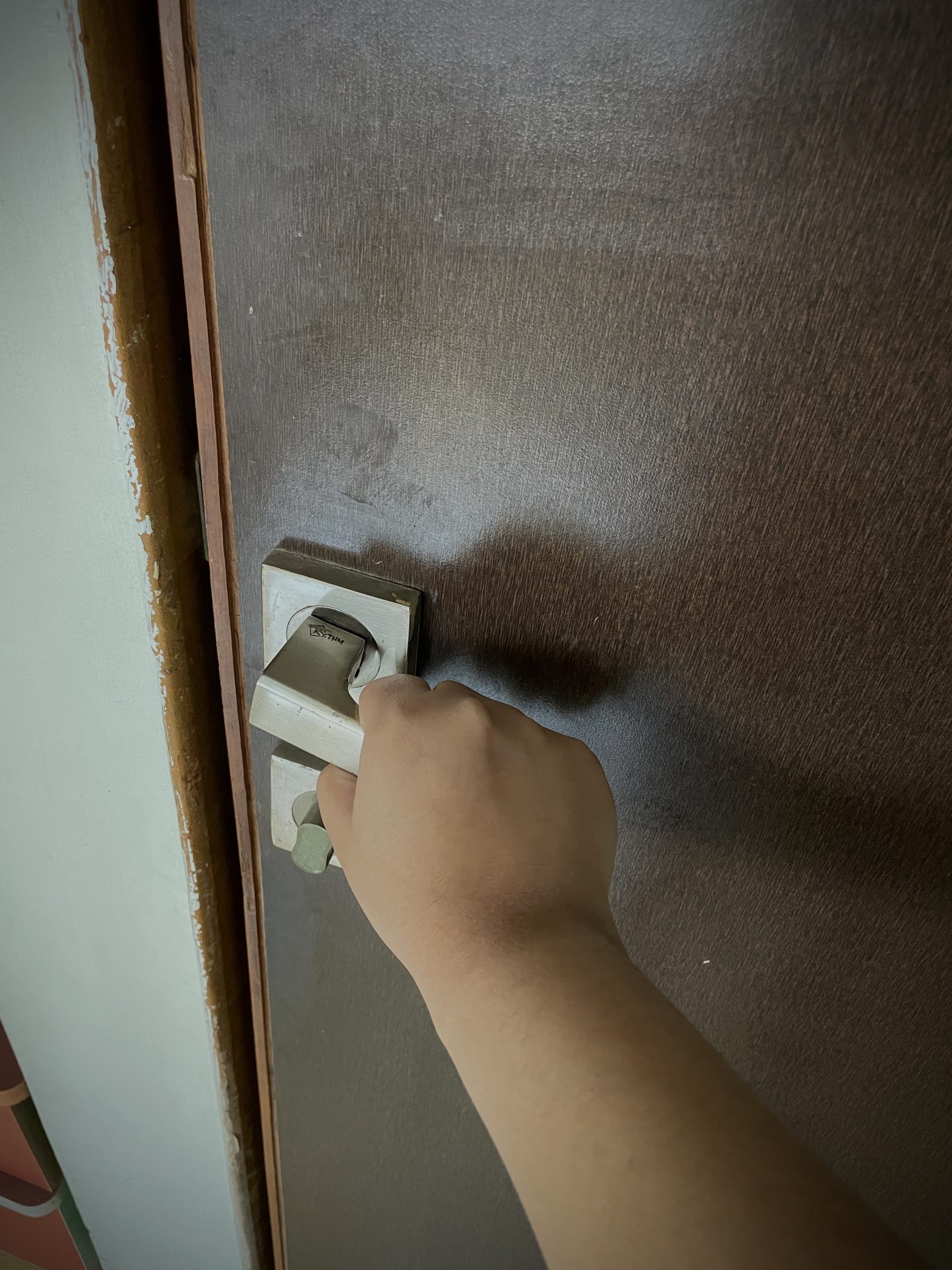
Some doors close so that we can finally breathe.
Privacy is rare; opinions are not. Growing up, I learned early that happiness was often public property. If I smiled too much at a boy, there would be whispers. If I stayed too quiet, there were questions. In our narrow lanes, even the walls seemed to listen.
That same gaze followed me long after I moved abroad. When my cousin’s wedding photos went viral in our extended family group chat, my mother texted me saying, “people are asking when it will be your turn?” Pritha, on the other hand, went on to try and make this dream of her parents come true.
A chirpy Pritha did not giggle when she mentioned about the man she once loved. She said, “He used to hit me” her eyes fixed on the steam from her cup of chai (Chandok). Sometimes she would bleed but still say sorry in the fear of abandonment and thinking that this is how it is supposed to be maybe (Chandok). She was not exaggerating, but she was describing the cycle. The same pattern that began at home was followed by comfort, where silence was rewarded, and where endurance was mistaken for strength.
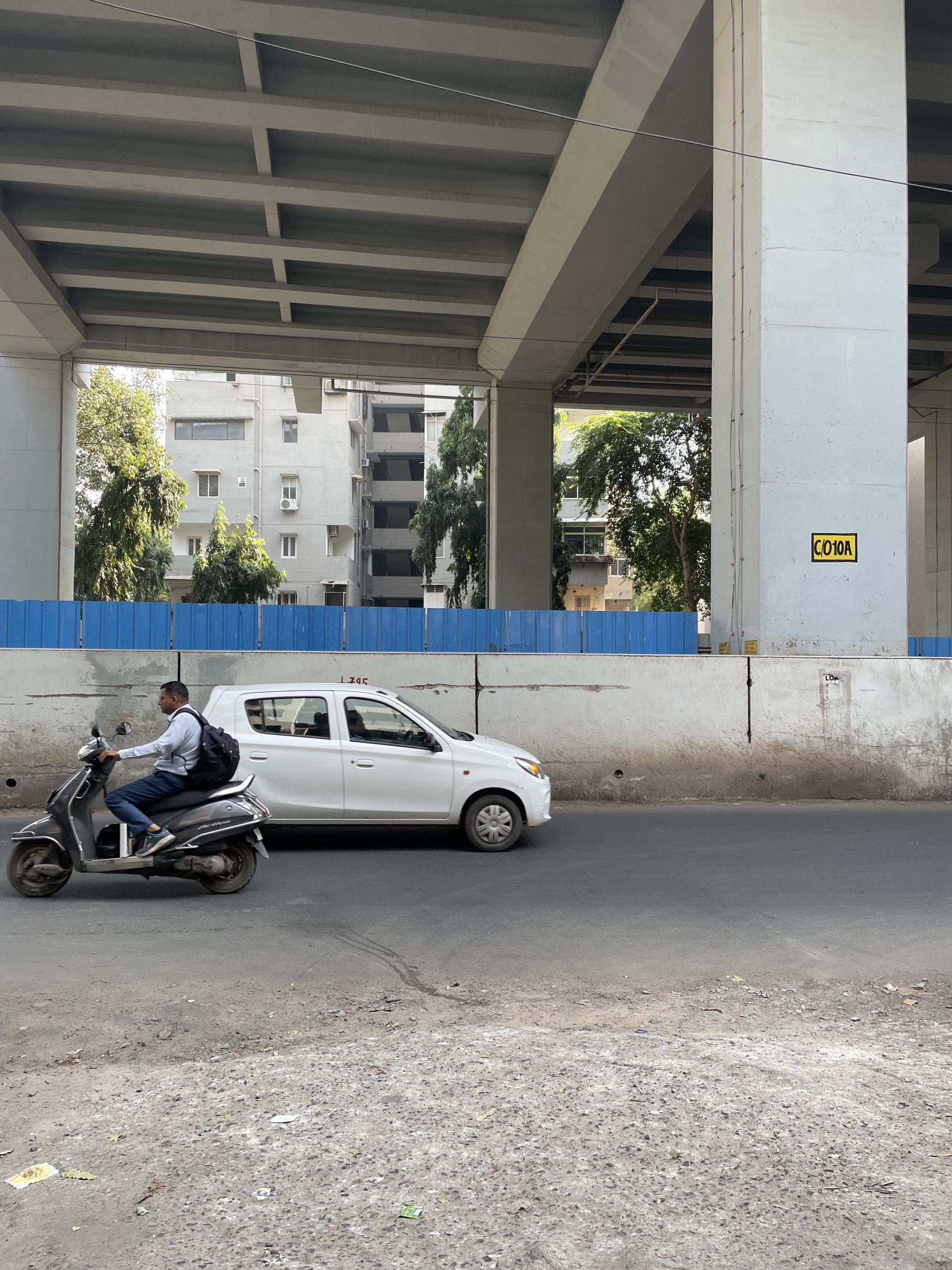
The streets that raised us still whisper our names.
Research helps explain why such stories are repeated. In a study by Trivedi and others, they found that adults exposed to high levels of childhood trauma were found to be two to seven times more likely to experience major depression and one to three times more likely to suffer anxiety compared to those with no exposure (474). This explains Pritha’s panic attacks after leaving her abusive relationship were not signs of weakness, but they were biological echoes of unhealed pain. Trauma had taught her to survive and not to feel safe.
When I think about it now, I can think of how many of us carry similar wounds, stitched invisibly under our confidence. Back home, we never used words like “trauma” or “abuse”. We used to say “this is just how families are” because that is what we were surrounded by however, that silence, as Karunaratne observes, becomes a weapon that outlives the original wound: “…students’ perceptions of South Asian cultural values, along with their families, shaped their concepts of healthy and unhealthy relationships” (3728).
For many Gujarati girls like me who move abroad, independence often comes tangled with guilt. We chase freedom yet flinch at disapproval. We learn to smile through the dissonance, to be “modern” in public and “modest” at home. Even miles away, a phone call can remind you of your place in the family hierarchy.
Pritha confessed that she once almost went back to her abusive partner after her mother told her, “At least he is serious about marrying you.” That moment she said, “broke something inside me” (Chandok). She realized that her mother was not cruel but just wanted her daughter to be married due to societal expectations that had framed her mindset. In that one line, generations of fear spoke – the fear of shame, of judgment and of being seen as a failure in the eyes of the community.

A quiet confession between heart and paper.
That is how deeply culture embeds itself in us. As Karunaratne’s study highlights, the pressure to maintain family reputation often prevents South Asian women from seeking help or recognizing abuse (3729). The cultural silence does not just protect families, but it also traps their daughters inside stories they never chose to live.
I thought of my own mother then – a woman who prays for my safety every day but still worries more about my marital status than my peace of mind. I do not resent her anymore because I understand that for her generation, a daughter’s stability was not guaranteed by happiness but by marriage. She wants to keep me safe in the only way she knows. This is also tied to reputation in society because that would mean a major responsibility of my parents has been fulfilled and they would be very proud of it almost like an achievement.
What no one told my mom and what I am only beginning to learn is that the body remembers what the mind tries to forget. Jawria’s research brings this connection to light showing that childhood trauma hampers hormones (bio), identity (psycho) and relationships (social) aspects of a person’s life. Her study on women with PCOS found that trauma-related stress increases inflammation, worsening not only physical symptoms but also emotional health (Jawria, 4). That finding stayed with me as I believed when people or Instagram posts read that stress converts to major illnesses in your body, hence you just need to not unnecessarily dwell on things. I also got reminded of my own diagnosis of PCOS years ago and how I dismissed it, but it was maybe my body keeping record of what my mind had endured.
Jawria further notes that multidisciplinary treatments “…demonstrate promising results in reducing depression, enhancing emotional regulation and improving self-image in women with PCOS and trauma histories” (4). It affirms the fact that healing cannot be one-dimensional as it requires attention to the body, mind, and culture we inhabit.
For many Gujarati women asking for help feels like betrayal as long histories and secrets of family’s reputation would be exposed. Therapy is still whispered about, hidden under terms like “stress counselling.” I have lost count of how many times relatives would ask me “Why do you need therapy? You are educated, you live abroad and your life seems good”, but education does not erase experience, and migration does not erase memory.
That is why I believe we need to build healing in our systems not as an optional act of courage but as a shared responsibility. What if therapy were to be introduced as a part of routine checkups for new parents to be? If new parents could attend counselling sessions and just at least acknowledge their source of trauma and behaviour then it would already be a huge first step as they would be aware as to why they are doing what they are doing. Also, they would know what it did to them, so they would maybe avoid passing it down to their kid. It would be the first step to break the chain of intergenerational trauma.
I imagine a world where my parents had that chance. Where they could have talked to someone before learning discipline through fear, where my mother could have shared her own childhood without shame and where my father could have understood that silence does not always mean strength. If emotional health checkups were as routine as medical ones, maybe the next generation would not have to unlearn love before they could feel it.
Trauma does not end with acknowledgment, but it is the first step to then act with empathy. In my community, that means changing the conversation from “What will people say?” to “How can we help each other heal?” Every story like Pritha’s, every reflection like mine adds to that shift. We are the bridge generation – raised by silence, learning to speak. Our mothers survived; we are learning to live, and maybe our daughters will be free.
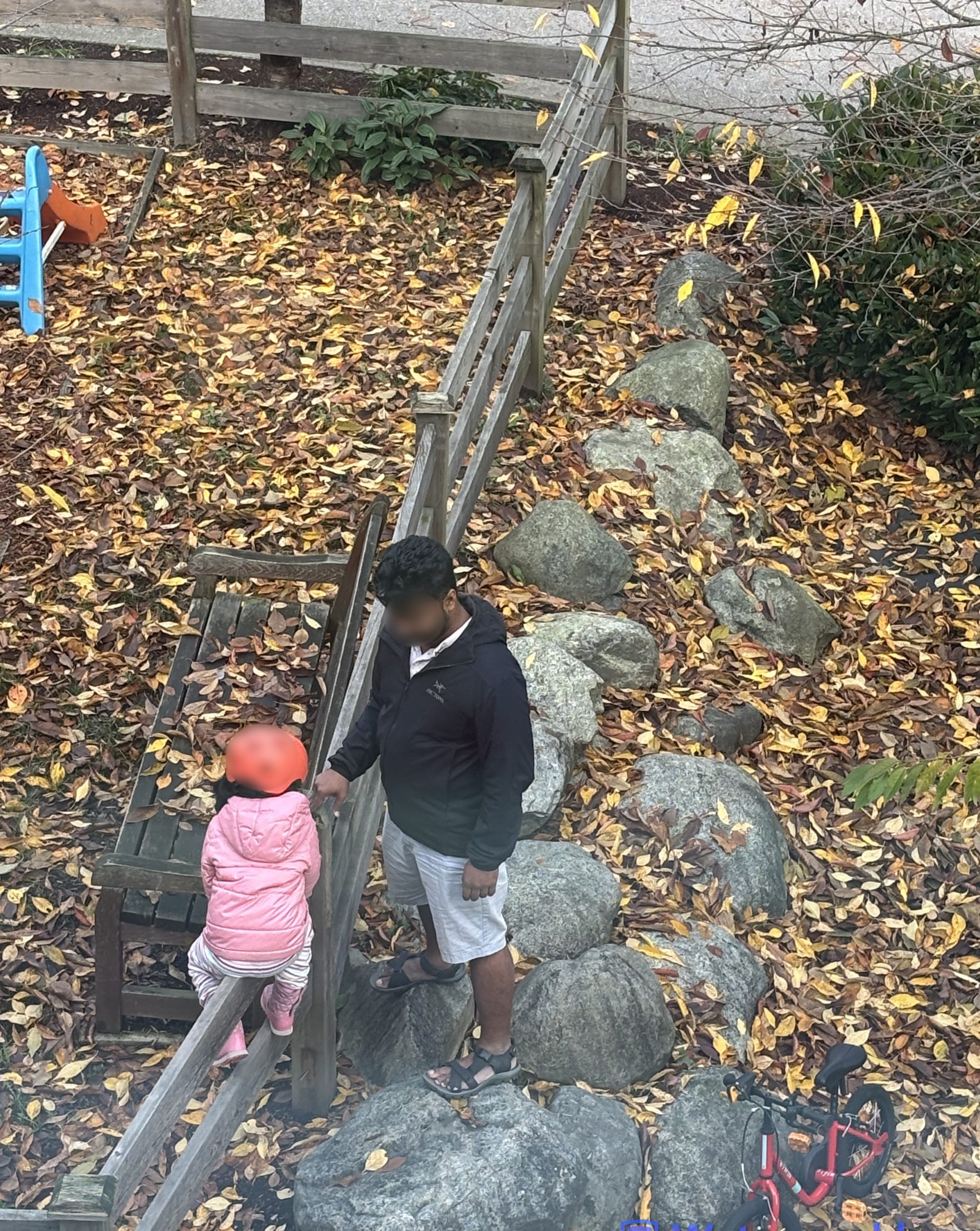
Healing begins when love learns to listen.
Works Cited
Chandak, Vidhi, and Alpana Vaidya. “Examining the Impact of Childhood Trauma and the Mediating Role of Adaptive Coping on Insecure Attachment Style in Young Adults.” Indian Journal of Health & Wellbeing, vol. 16, no. 2–I, June 2025, pp. 275–79. EBSCOhost, research.ebsco.com/linkprocessor/plink?id=0607ffca-ea20-32fb-bf1f-25af49d672af.
Chandok, Pritha, Interview, 25 Oct 2025, in person.
Jawria, Majida. “A Literature Review on the Interplay of Childhood Trauma, PCOS, and Attachment Theory: Implications for Relationship Functioning.” Psychology, Health & Medicine, Aug. 2025, pp. 1–6. EBSCOhost, https://doi-org.ezproxy.capilanou.ca/10.1080/13548506.2025.2543901.
Karunaratne, Nadeeka. “The Influence of Family and Culture on South Asian Student Dating Violence Survivors’ College Experiences.” Journal of American College Health, vol. 72, no. 9, Dec. 2024, pp. 3725–33. EBSCOhost, https://doi-org.ezproxy.capilanou.ca/10.1080/07448481.2023.2194430.
Naik, Priteegandha. “Science-Fictionalizing the Partition of India to ‘Re-Narrate’ Trauma.” Textual Practice, vol. 38, no. 4, Apr. 2024, pp. 650–71. EBSCOhost, https://doi-org.ezproxy.capilanou.ca/10.1080/0950236X.2023.2210105.
Trivedi, Riri G., et al. “Association between Adverse Childhood Experiences and Internalizing Symptoms in Adults at a Wellness Centre in India.” Indian Journal of Community Medicine, vol. 50, no. 3, May 2025, p. 472. EBSCOhost, https://doi-org.ezproxy.capilanou.ca/10.4103/ijcm.ijcm_419_23.